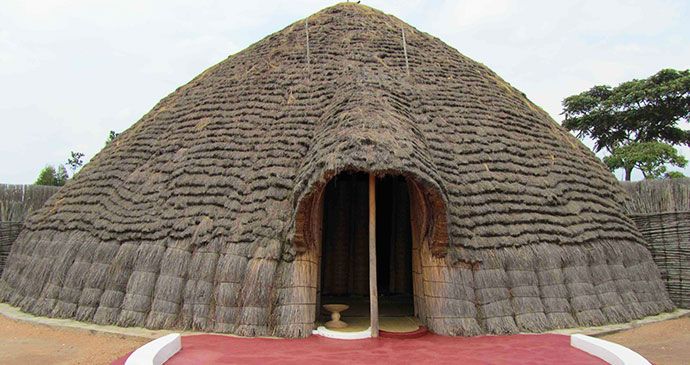
Did you know that the Ethnographic Museum of Rwanda houses one of the most comprehensive collections of traditional Rwandan culture in the world, preserving ancient customs, royal heritage, and everyday life in remarkable detail?
At Naicef, we personalize an exclusive experience that lets you fully immerse yourself in this heritage, offering a Luxury Visit to the Rwanda Ethnographic Museum, where every artifact tells a story, and every gallery reveals a layer of Rwanda’s vibrant culture.
With a Private Guided Tour of the Ethnographic Museum of Rwanda Butare, you are not just observing exhibits; you are stepping into the lives of the communities, royalty, and artisans who shaped the nation.
Naicef carefully crafts tours allowing for an Elegant Exploration of Ethnographic Museum Rwanda Architecture, highlighting how the museum’s design complements the artifacts and enhances the visitor experience.
At the same time, you gain Expert Insight into the History of Ethnographic Museum Rwanda, from traditional royal regalia to ceremonial practices and everyday tools.
We curate every moment thoughtfully to create an Exclusive Cultural Experience at Ethnographic Museum, where history, art, and storytelling blend seamlessly into a journey that is as educational as it is memorable.
So, which is the best luxury tour company to the Ethnographic Museum Rwanda? The best luxury tour company to the ethnographic museum in Rwanda is Naicef, and you can reach out to us via our contact, email at my@naicef.com or call: +254799922277.
Book an Exclusive Ethnographic Tour Here.
What are the Interesting Facts about the Rwanda Ethnographic Museum?
Before you fully explore the museum, these few fascinating details make your visit feel more meaningful.
These insights don’t just add trivia; they deepen your Luxury Visit to the Rwanda Ethnographic Museum and make your Exclusive Cultural Experience at the Ethnographic Museum more immersive.
1. It is one of Africa’s finest ethnographic museums
This reputation comes from how well it preserves and presents Rwanda’s heritage, making your Exclusive Cultural Experience at Ethnographic Museum feel truly world-class.
Many travelers planning a Luxury Visit to the Rwanda Ethnographic Museum are often surprised by just how comprehensive and well-organized the exhibits are.
You can explore other historic museums & places across East Africa, such as the Kigali Genocide Memorial, Kapenguria 6 Museum, and Ol Duvai Gorge Monument.
2. A gift of cultural preservation with lasting impact
During a Private Guided Tour of the Ethnographic Museum of Rwanda Butare, you’ll notice how the narrative is deeply rooted in local voices and perspectives.
This transformation is part of what gives you genuine Expert Insight into the History of the Ethnographic Museum Rwanda, showing how the country has reclaimed and preserved its story.
3. Designed to let culture speak for itself
One of the most subtle yet powerful aspects of your visit is the Elegant Exploration of the Ethnographic Museum Rwanda Architecture.
The building is intentionally simple, spacious, and calm, allowing you to focus fully on the exhibits without distraction. This thoughtful design enhances both your Luxury Visit to the Rwanda Ethnographic Museum and your overall appreciation of the cultural displays.
You can also experience different cultures such as Samburu, Maasai, Kikuyu, Meru, Swahili, Kalenjin, Rendile, and even the Western Kenya tribes such as Luo & Luhya all found in Kenya.
4. Home to thousands of carefully preserved artifacts
Inside, you’ll find an impressive range of items from royal regalia and ceremonial objects to tools used in everyday village life.
Each piece contributes to your Expert Insight into the History of the Ethnographic Museum Rwanda, helping you see how traditions evolved. This richness is what makes your Exclusive Cultural Experience at the Ethnographic Museum feel complete and deeply informative.
Explore also the so famously renowned Cradle of Humankind in Kenya, which is the Koobi Fora Museum found in Sibiloi National Park.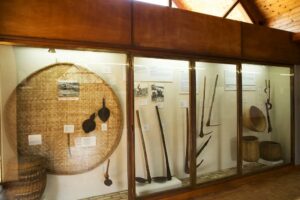
5.It tells a full story, not just isolated exhibits
Rather than random displays, each section builds on the last, guiding you through a continuous narrative of Rwandan life.
Whether you’re on a Private Guided Tour of the Ethnographic Museum of Rwanda, Butare, or exploring at your own pace, you’ll feel like you’re uncovering a story step by step, making your Luxury Visit to the Rwanda Ethnographic Museum both engaging and memorable.
What is the History of the Ethnographic Museum in Rwanda?
The history of this museum is deeply tied to Rwanda’s commitment to preserving its identity. Established in 1989 in Butare (now Huye), the museum was created during a time when traditional lifestyles were rapidly changing.
Its purpose was clear to safeguard cultural knowledge, practices, and artifacts for future generations.
As you walk through the exhibits, you gain Expert Insight into the History of the Ethnographic Museum of Rwanda, understanding how it became a central place for cultural education and preservation.
Over the years, the museum has grown into much more than a collection of artifacts.
During a Luxury Visit to the Rwanda Ethnographic Museum, you begin to see how each section reflects a different chapter of Rwanda’s journey from pre-colonial traditions to colonial influence and modern transformation.
A Private Guided Tour of the Ethnographic Museum of Rwanda Butare, often brings these layers to life through storytelling, helping you connect emotionally with what you’re seeing.
Altogether, this history enriches your Exclusive Cultural Experience at the Ethnographic Museum, making it not just informative but deeply human and reflective.
Where Is the Rwanda Ethnographic Museum Located for a Seamless Luxury Visit to the Rwanda Ethnographic Museum?
The museum is located in Huye, a peaceful town in southern Rwanda known for its academic and cultural significance.
This setting immediately gives your visit a slower, more thoughtful pace, perfectly aligning with a Luxury Visit to the Rwanda Ethnographic Museum.
The drive from Kigali City takes around 2 to 3 hours, and as you travel through Rwanda’s rolling hills and countryside, you’ll feel a gradual shift into a more relaxed and immersive experience.
Once you arrive, everything feels intentionally designed for ease and comfort. A Private Guided Tour of the Ethnographic Museum of Rwanda, Butare often begins smoothly, with a welcoming environment that sets the tone for your visit.
The surroundings are quiet and well-kept, enhancing your Exclusive Cultural Experience at the Ethnographic Museum.
Paired with the Elegant Exploration of the Ethnographic Museum Rwanda Architecture, the location creates a seamless transition from travel to discovery, allowing you to fully focus on the cultural journey ahead.
What Can You Discover on a Private Guided Tour of the Ethnographic Museum of Rwanda Butare?
A Private Guided Tour of the Ethnographic Museum of Rwanda Butare is where your visit truly comes to life.
With guidance, you gain deeper Expert Insight into the History of Ethnographic Museum Rwanda, making your Exclusive Cultural Experience at the Ethnographic Museum far more engaging.
Here’s what you can you Discover on a Private Guided Tour of the Ethnographic Museum of Rwanda, Butare:
1. Traditional Royal Life and Monarchy
You’ll step into Rwanda’s royal past, exploring symbols of kingship, leadership, and ceremony. Your guide will explain how power was structured and expressed, adding depth to your Exclusive Cultural Experience at the Ethnographic Museum.
This section often feels especially vivid during a Private Guided Tour of the Ethnographic Museum of Rwanda Butare, as stories bring the monarchy to life.
Did you know that in Kenya, there still exists a kingdom that has a King to this very date and era? That place is none other than the Nabongo Mumia Cultural Centre in Kakamega County, which is home to the famous Kakamega Forest National Reserve.
2. Cultural Beliefs and Spiritual Practices
This section reveals how spirituality shaped everyday life. From rituals to belief systems, you’ll see how communities understood the world around them.
A Luxury Visit to the Rwanda Ethnographic Museum allows you to take this in at a comfortable pace, while your guide provides context that offers real Expert Insight into the History of Ethnographic Museum Rwanda.
The Kit Mikayi historic rock, also referred to as the Crying Stone in Kisumu County in Kenya, is also one of the interesting places where the locals believe that the stone once cried. Check out its fascinating story, and you will surely be shocked.
3. Daily Life and Household Traditions
These displays feel surprisingly relatable, especially during a Private Guided Tour of the Ethnographic Museum of Rwanda Butare, where explanations turn simple objects into meaningful stories within your Exclusive Cultural Experience at the Ethnographic Museum.
4. Art, Craftsmanship, and Creativity
The Elegant Exploration of Ethnographic Museum Rwanda Architecture enhances how these pieces are presented, allowing you to appreciate their detail and skill. This is often a highlight of any Luxury Visit to the Rwanda Ethnographic Museum.
5. Music, Dance, and Oral Traditions
Here, you’ll discover how stories, songs, and performances were used to pass down knowledge.
Your guide will help you understand the deeper meaning behind these traditions, offering valuable Expert Insight into the History of Ethnographic Museum Rwanda and enriching your overall experience.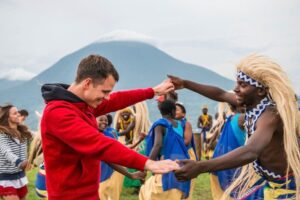
6. Traditional Clothing and Identity
Clothing is more than fashion; it reflects identity, status, and occasion.
During your Exclusive Cultural Experience at the Ethnographic Museum, you’ll learn how attire connects to culture and history, especially with guidance from a Private Guided Tour of the Ethnographic Museum of Rwanda Butare.
7. Agriculture and Environmental Knowledge
This section shows how Rwandans worked with the land, using sustainable practices suited to their environment.
A Luxury Visit to the Rwanda Ethnographic Museum gives you the time to appreciate how deeply connected these practices are to daily life and survival.
What Exclusive Activities Can You Enjoy at the Ethnographic Museum Experience?
Your Exclusive Cultural Experience at the Ethnographic Museum becomes far more memorable when you take part in activities that allow you to connect with the culture more deeply.
Whether you prefer a structured visit or a relaxed pace, a Luxury Visit to the Rwanda Ethnographic Museum offers a range of meaningful experiences.
Here are some Exclusive Activities you can enjoy at the Ethnographic Museum Experience:
1. Private Guided Cultural Tours
A Private Guided Tour of the Ethnographic Museum of Rwanda Butare is one of the most enriching ways to explore.
With a knowledgeable guide, you gain detailed explanations and stories that provide true Expert Insight into the History of the Ethnographic Museum in Rwanda.
Look at our other cultural tours such as an 8-Day Tanzania Southern Safari Circuit, 6-Day Private Safari Tour To Nyerere, 3 Days 2 Nights Aberdares Cultural Tour, and even a Lamu cultural experience.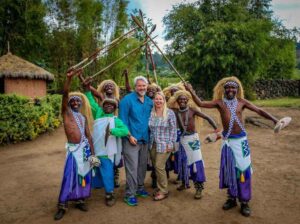
2. Self-Paced Exploration
If you enjoy taking your time, exploring on your own allows your Exclusive Cultural Experience at the Ethnographic Museum to unfold naturally, giving you space to reflect and absorb each exhibit.
3. Photography and Architectural Appreciation
The Elegant Exploration of Ethnographic Museum Rwanda Architecture offers clean, open spaces that are visually appealing. You’ll find yourself appreciating both the exhibits and the design, making your Luxury Visit to the Rwanda Ethnographic Museum even more enjoyable.
4. Cultural Learning Moments
You can spend time understanding how different artifacts were used and made, adding depth to your experience and strengthening your Expert Insight into the History of Ethnographic Museum Rwanda.
5. Guided Storytelling Experiences
Some guided visits include storytelling elements that bring exhibits to life. This adds a personal touch to your Exclusive Cultural Experience at the Ethnographic Museum.
See also our incredible guide to Storytelling Evenings Around the Fire with Elders!
6. Quiet Reflection and Immersion
The peaceful environment allows you to slow down and truly connect with what you’re seeing. This calm atmosphere is a key part of what makes a Luxury Visit to the Rwanda Ethnographic Museum feel so unique.
7. Educational Exhibit Exploration
The museum’s structured layout allows you to move through different themes and periods, giving you a well-rounded understanding and continuous Expert Insight into the History of Ethnographic Museum Rwanda.
What Are the Opening and Closing Hours of the Ethnographic Museum Rwanda?
The Rwanda Ethnographic Museum is open daily from 9:00 AM to 5:00 PM, offering plenty of time for a Luxury Visit to the Rwanda Ethnographic Museum or a Private Guided Tour of the Ethnographic Museum of Rwanda Butare.
- Morning visits are ideal for a calm, focused experience.
- Afternoon visits are still enjoyable and allow for relaxed exploration.
Planning your visit around these hours ensures you have enough time to enjoy the museum and nearby attractions while making your Exclusive Cultural Experience at the Ethnographic Museum seamless and enjoyable.
How Does an Elegant Exploration of the Ethnographic Museum Rwanda Architecture Reveal Traditional Design?
As you walk through the museum, you’ll quickly realize that the building itself plays a key role in your experience.
An Elegant Exploration of Ethnographic Museum Rwanda Architecture is not just about aesthetics; it’s about how design supports storytelling and enhances your Exclusive Cultural Experience at the Ethnographic Museum.
Here is how the architecture reflects traditional design principles:
1. Thoughtfully Planned Layout
The museum is designed to guide you smoothly from one section to the next. This natural flow enhances your Luxury Visit to the Rwanda Ethnographic Museum, making it feel effortless and well-organized.
2. Use of Natural Light
Large windows and open spaces allow sunlight to illuminate the exhibits, creating a calm and welcoming atmosphere.
During a Private Guided Tour of the Ethnographic Museum of Rwanda Butare, this makes the experience feel even more inviting.
3. Minimalist and Uncluttered Spaces
The simplicity of the design ensures that your focus remains on the artifacts. This is essential for a meaningful Exclusive Cultural Experience at the Ethnographic Museum.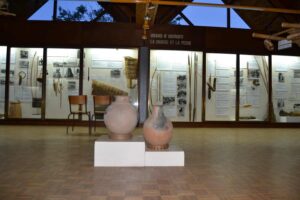 4. Spacious Exhibition Areas
Wide halls give you room to move comfortably and take in each display without feeling rushed. This enhances both your comfort and your Expert Insight into the History of Ethnographic Museum in Rwanda.
5. Harmony Between Structure and Culture
The design reflects balance and respect for tradition, aligning with the stories told inside. This harmony adds depth to your Luxury Visit to the Rwanda Ethnographic Museum.
You can also explore other historic places and towns such as Stone Town Zanzibar, Forodhani Gardens, Kilwa Kisiwani Ruins, Bagamoyo Town, Mombasa Old Town, & even the Gedi Ruins in Kenya.
6. Connection to the Surrounding Environment
The architecture connects indoor spaces with the outside landscape, reinforcing the relationship between people, culture, and nature during your Exclusive Cultural Experience at the Ethnographic Museum.
What Rare Cultural Artefacts Can Be Seen During a Premium Visit to the Rwanda Ethnographic Museum?
Each artifact adds a layer to your Exclusive Cultural Experience at the Ethnographic Museum, especially when explored during a Private Guided Tour of the Ethnographic Museum of Rwanda Butare, where every detail is explained in a way that feels personal and engaging.
Here are some Rare Cultural Artefacts that Can Be Seen During a Premium Visit to the Rwanda Ethnographic Museum:
1. Royal Regalia and Leadership Symbols
You will encounter ceremonial items once used by Rwandan kings, including decorated stools, spears, and symbolic objects of authority.
These artifacts give you real Expert Insight into the History of Ethnographic Museum Rwanda, helping you understand how leadership was expressed and respected in traditional society.
2. Intore Dance Costumes and Accessories
The iconic Intore dance comes to life through its elaborate headpieces, ankle bells, and garments.
Seeing these up close during your Exclusive Cultural Experience at the Ethnographic Museum allows you to connect with the pride and energy of Rwanda’s cultural performances.
3. Traditional Household Tools
Everyday items like clay cooking pots, woven containers, and grinding stones reveal how families lived and worked.
A Luxury Visit to the Rwanda Ethnographic Museum makes these simple tools feel meaningful, especially when explained during a Private Guided Tour of the Ethnographic Museum of Rwanda Butare.
4. Handcrafted Baskets and Textiles
Rwanda’s artistry shines through in its detailed weaving and fabric work.
Each piece tells a story of skill, patience, and cultural identity, enriching your Exclusive Cultural Experience at the Ethnographic Museum.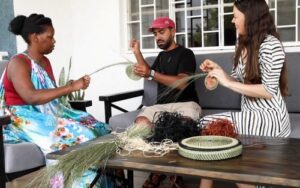
5. Agricultural and Hunting Equipment
Tools used for farming and hunting show how communities adapted to their environment. These artifacts deepen your Expert Insight into the History of Ethnographic Museum Rwanda, especially when you understand their practical and cultural significance.
6. Traditional Musical Instruments
Drums, string instruments, and flutes highlight the role of music in communication, celebration, and storytelling.
Experiencing these during a Luxury Visit to the Rwanda Ethnographic Museum adds a sensory dimension to your visit.
What Are the Best Luxury Hotels for an Exclusive Stay Near the Ethnographic Museum?
To fully enjoy your Luxury Visit to the Rwanda Ethnographic Museum, staying at a nearby luxury hotel will make your trip more comfortable, immersive, and memorable, allowing you to extend your Exclusive Cultural Experience at the Ethnographic Museum beyond the galleries.
Below are some of the Best Luxury Hotels for an Exclusive Stay Near the Ethnographic Museum:
1. Marriott Huye Grand Hotel
This upscale hotel features spacious rooms with modern furnishings, panoramic views of the rolling hills, and exceptional service.
Here you can enjoy fine dining with locally inspired cuisine, unwind at the spa, or relax in beautifully landscaped gardens after exploring the museum.
2. Serenity Boutique Lodge
A tranquil retreat offering boutique-style rooms and personalized attention, perfect for those seeking a peaceful stay.
Its serene gardens, cozy lounge areas, and quiet atmosphere create the ideal setting to reflect on your Private Guided Tour of the Ethnographic Museum of Rwanda, Butare, and Luxury Visit to the Rwanda Ethnographic Museum.
3. Heritage Hills Hotel
Known for refined décor, contemporary comfort, and excellent service, this hotel places you close to Huye town and cultural landmarks.
Spacious rooms and common areas make it easy to plan a day exploring local markets, cafés, and other attractions after your museum visit.
4. Panorama View Suites
Designed for travelers who appreciate breathtaking scenery, these suites offer large windows with sweeping views of the surrounding countryside.
Perfect for quiet mornings or evenings, the property enhances the luxury and reflection of your Exclusive Cultural Experience at the Ethnographic Museum.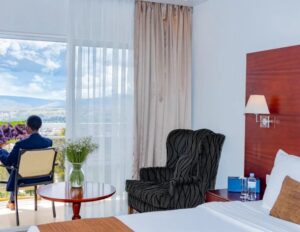 5. Cultural Haven Retreat
A boutique property blending modern amenities with local charm, it offers comfortable rooms, elegant communal spaces, and easy access to cultural activities.
Here, you often enjoy the balance of relaxation and cultural immersion, making it an excellent complement to a Luxury Visit to the Rwanda Ethnographic Museum.
How Are Traditional Rwandan Lifestyles Beautifully Showcased at the Ethnographic Museum?
A Private Guided Tour and a Luxury visit to the Rwanda Ethnographic Museum ensures that each tradition, object, and display is explained, helping you see how Rwandans lived in harmony with their environment and culture.
Here’s how traditional Rwandan lifestyles are beautifully showcased:
1. Housing and Living Spaces
Here you will see how each layout reflected social hierarchy and practical needs, enhancing your Exclusive Cultural Experience at the Ethnographic Museum.
2. Agricultural Practices and Tools
Displays include tools used for planting, harvesting, and storing crops like sorghum, bananas, and beans.
You’ll understand how agriculture shaped social life and seasonal rhythms, and how Rwandans adapted to the hilly landscape. A Luxury Visit to the Rwanda Ethnographic Museum lets you examine these tools up close, appreciating both their practical and cultural significance.
3. Cooking and Food Preparation
You’ll see clay pots, grinding stones, and woven containers that were central to daily life. During a Private Guided Tour of the Ethnographic Museum of Rwanda Butare, guides explain how cooking methods varied by region and occasion, connecting food to rituals and social status.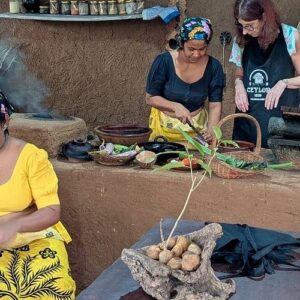 4. Clothing and Adornments
The museum displays traditional attire for men, women, and children, including ceremonial garments and jewelry. This allows you to appreciate how material culture communicated social roles, enhancing your Exclusive Cultural Experience at the Ethnographic Museum.
5. Art and Craftsmanship
Rwanda’s creativity is showcased in handwoven baskets, pottery, and textiles. These weren’t merely decorative, they had symbolic meaning.
A Luxury Visit to the Rwanda Ethnographic Museum lets you observe the patterns, techniques, and stories embedded in each creation, revealing how daily life is intertwined with artistry.
When Is the Best Time to Plan a Luxury Visit to the Ethnographic Museum in Rwanda?
The best periods are the dry seasons, from June to September and December to February. During these months, travel to Huye is smooth, and the outdoor areas of the museum are fully accessible.
Visiting during this time ensures your Exclusive Cultural Experience at the Ethnographic Museum is comfortable, calm, and uninterrupted.
Planning early in the day is ideal to avoid crowds, allowing you to fully absorb the displays and the atmosphere as you enjoy your luxury visit to the ethnographic museum in Rwanda.
Pairing your visit with cultural events, like local performances or artisan demonstrations, further enriches your experience, offering deeper Expert Insight into the History of the Ethnographic Museum in Rwanda.
What Nearby Attractions Complement Your Exclusive Visit to the Ethnographic Museum?
Pairing your Exclusive Cultural Experience at the Ethnographic Museum with these sites enhances a Luxury Visit to the Rwanda Ethnographic Museum and offers a broader understanding of Rwandan history and lifestyle.
Here are some of the nearby Attractions that Complement Your Exclusive Visit to the Ethnographic Museum:
1. Huye Town Center
Wander local streets, shops, and cafés. The vibrant town offers insight into modern Rwandan life and a chance to interact with locals, extending your museum experience beyond artifacts.
2. University of Rwanda Campus
The historic campus highlights Rwanda’s academic and intellectual heritage, providing context for the cultural preservation work showcased at the museum.
3. Local Artisan Markets
Markets display contemporary crafts, pottery, weaving, and fabrics. Watching artisans at work gives real-time insight into skills that are also represented in the museum, tying the past and present together.
4. Traditional Performance Venues
Nearby theaters host music, dance, and storytelling performances, letting you experience in-person the traditions seen in museum exhibits.
5. Scenic Countryside Drives
Surrounding hills and valleys provide a peaceful retreat after your museum visit and offer stunning photography opportunities, connecting you to Rwanda’s natural beauty.
6. Botanical Gardens and Parks
Quiet gardens allow reflection and relaxation, letting you connect with the natural context in which traditional lifestyles developed, complementing your Exclusive Cultural Experience at the Ethnographic Museum.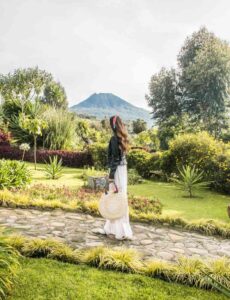
Why Choose an Expert-Guided Tour for a Deeper Ethnographic Museum Rwanda Experience?
An expert guide transforms your museum visit into a rich, narrative-driven journey.
While self-exploration offers insight, guided tours provide stories, context, and connections that you might otherwise miss.
During a Private Guided Tour of the Ethnographic Museum of Rwanda, Butare, you gain Expert Insight into the History of the Ethnographic Museum of Rwanda, understanding the social, political, and cultural significance of each object and display.
Guides also tailor your experience to your interests, highlighting areas that might resonate most with you and ensuring a Luxury Visit to the Rwanda Ethnographic Museum feels personal and memorable.
A guided experience deepens your Exclusive Cultural Experience at the Ethnographic Museum, revealing the history, artistry, and traditions behind the artifacts, architecture, and performances in a way that is immersive, human, and unforgettable.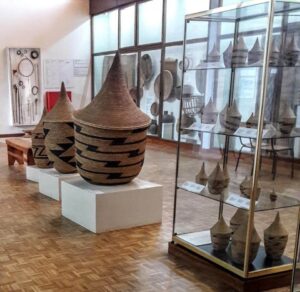
Conclusion
Visiting the Ethnographic Museum of Rwanda is more than just a cultural outing; it’s a journey into the heart of Rwandan heritage.
From an Exclusive Cultural Experience at the Ethnographic Museum to a Luxury Visit to the Rwanda Ethnographic Museum, every moment offers a chance to connect with the traditions, artistry, and history that have shaped the nation.
A Private Guided Tour of the Ethnographic Museum of Rwanda Butare, allows you to delve deeper into each exhibit, uncovering the stories behind rare artifacts, traditional lifestyles, and the elegant architectural design that frames the museum.
Whether you’re exploring royal regalia, handcrafted baskets, or ceremonial instruments, the museum presents these treasures in a way that feels immersive, personal, and thoughtfully curated.
Combining your museum visit with nearby attractions and luxury accommodations enhances the experience, turning a simple trip into a complete cultural escape and an enjoyable luxury visit to the Rwanda Ethnographic Museum.
The Ethnographic Museum Rwanda offers insights not only into the past but also into how tradition continues to inspire contemporary Rwandan life.
Naicef invites you to see, feel, and celebrate the richness of the ethnographic museum in Rwanda. We make it an unforgettable highlight if you are seeking a meaningful and luxurious cultural experience.
Contact us at my@naicef.com or call +254799922277 to plan your Exclusive Cultural Experience at the Ethnographic Museum.
You Can Also;
Book Any Tour Here
Frequently Asked Questions About the Ethnographic Museum (FAQs)
1. What visits to the Ethnographic Museum in Rwanda?
A visit offers an Exclusive Cultural Experience at the Ethnographic Museum, combining rare artifacts, traditional lifestyles, and beautifully curated exhibits.
Whether you are exploring on your own or through a Private Guided Tour of the Ethnographic Museum of Rwanda Butare, every element is designed to connect you to Rwandan heritage.
2. Where is the museum located?
The Ethnographic Museum is in Huye, southern Rwanda, known as the country’s cultural and intellectual hub.
This central location allows for easy access and adds context to your Luxury Visit to the Rwanda Ethnographic Museum, with nearby attractions and serene surroundings enhancing the experience.
3. Are guided tours available?
Yes, a Private Guided Tour of the Ethnographic Museum of Rwanda Butare provides deep insights into artifacts, cultural practices, and architectural details, making your Exclusive Cultural Experience at the Ethnographic Museum richer and more memorable.
4. What can I expect from a luxury visit to the museum?
A Luxury Visit to the Rwanda Ethnographic Museum includes curated exhibits, comfortable viewing spaces, and a serene environment.
Combining this with a stay at nearby luxury hotels ensures your entire trip is immersive, relaxing, and culturally enriching.
5. Are there nearby attractions worth visiting?
Yes, including Huye town, artisan markets, historical monuments, botanical gardens, and traditional performance venues.
These attractions complement your museum visit, giving a broader understanding of Rwanda’s culture and history.
6. What types of artifacts are on display?
The museum features royal regalia, traditional household tools, textiles, musical instruments, and spiritual objects.
These artifacts provide Expert Insight into the History of Ethnographic Museum Rwanda, making the visit educational and deeply engaging.
7. Is the Ethnographic Museum family-friendly?
Absolutely, exhibits are designed to be accessible and engaging for visitors of all ages.
Storytelling sessions, cultural demonstrations, and interactive displays make a Luxury Visit to the Rwanda Ethnographic Museum enjoyable for the whole family.