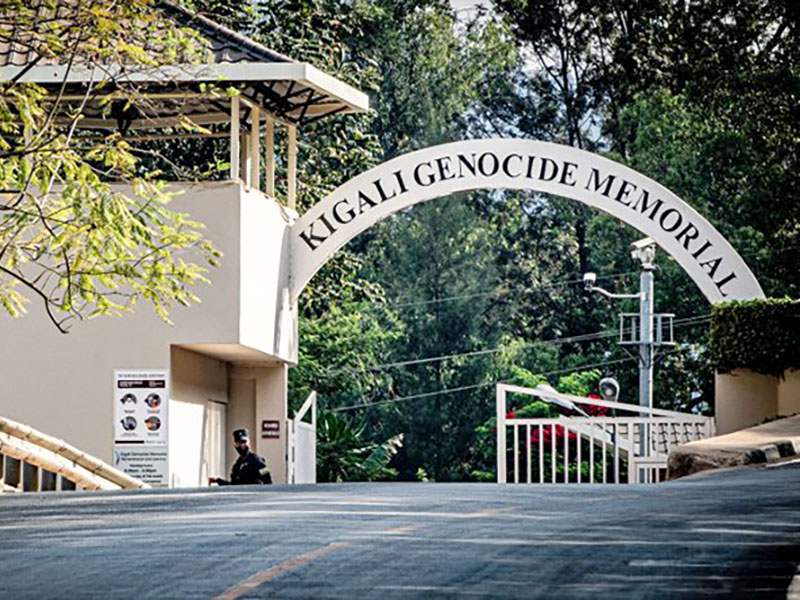
Did you know that visiting the Kigali Genocide Memorial is not only a historical visit but a moving experience that takes you on a journey of memory, loss, hope, and Rwanda’s promise of “Never Again”?
Discover with Naicef Kigali Genocide Memorial and explore how it has become a significant place of remembrance and learning in Rwanda, a country that has faced a lot of tragedy and pain, especially during the 1994 Genocide Against the Tutsi.
This powerful place in Kigali confronts the fundamental questions of when the Rwandan genocide occurred, why the Rwandan genocide occurred, and how the Rwandan genocide occurred.
If you are planning a visit to the Kigali Genocide Memorial, you will have a range of experiences that will enlighten you about Rwanda’s history.
So which is the best tour company to the Kigali Genocide Memorial? The best tour company to the Kigali Genocide Memorial is Naicef.
Now is the time to experience this powerful place of remembrance. Explore the Kigali Genocide Memorial with Naicef by reaching out to us via our contact email at my@naicef.com or call +254799922277.
You can also opt to:
Book The Tour Here
What are the interesting Facts about the Kigali Genocide Memorial?
Interesting facts about the Kigali Genocide Memorial show that it is not only a place of mourning but also a powerful center for education and remembrance.
Several remarkable facts make this memorial unique among genocide memorials worldwide.
Here are some of the interesting facts about Kigali Genocide Memorial
1. Final resting place for more than 250,000 victims
The memorial has several mass graves where more than a quarter of a million people who lost their lives in the genocide are buried. The graves are well-maintained with stone slabs and gardens, creating a fitting environment for families and visitors to pay their respects to the departed.
2. One of the most visited historical sites in Rwanda
The memorial attracts thousands of visitors every year, including students, researchers, world leaders, and tourists interested in learning about the history of Rwanda.
It is recognized as the most important historical site in Rwanda.
3. Managed by a global genocide prevention organization
The memorial is run by Aegis Trust, an international organization focused on preventing genocide, promoting peace, and remembering the victims.
4. Combines museum exhibitions with memorial gardens
Unlike traditional museums, the Kigali genocide memorial has a unique feature of combining museum exhibitions and memorial gardens, where visitors have the chance to learn history and also connect emotionally to the environment.
5. Global genocide education section
The memorial has information about other genocides in the world, including the Holocaust and the Cambodian genocide, to help visitors learn from history and understand the consequences of hatred and intolerance.
6. A place of remembrance during annual commemoration
Every year on Kwibuka, Rwanda remembers the victims of the genocide. The memorial becomes a central place for national mourning and reflection.
What is the history of Kigali Genocide Memorial?
The history of the 1994 Genocide Against the Tutsi is one of tragedy, shaped by colonialism, independence, and extremist orchestration.
The memorial serves as a reminder of this history, paying homage to the victims while ensuring such atrocities are never repeated.
Under colonial rule, which lasted from 1916 to 1962, the Belgians imposed strict ethnic categorization on the Rwandan population by issuing identity cards that classified Rwandans as Hutu, Tutsi, or Twa, initially favoring the Tutsi for administrative and educational opportunities, then shifting their favor to the Hutu before independence in 1962.
This led to lasting resentment and deep-seated stereotypes among Rwandans.
After independence, Hutu-led governments began institutionalized discrimination against the Tutsi, including government policies, periodic pogroms, and enforced persecution.
In the late 1980s, economic pressures, plummeting coffee prices, and overpopulation exacerbated tensions.
In 1990, the Rwandan Patriotic Front, led by Tutsi, invaded Rwanda, sparking civil war, which heightened Hutu elites’ fears of losing power.
“Hutu Power” extremism began to gain ground, with extremist radio broadcasts relentlessly dehumanizing the Tutsi, referring to them as “inyenzi” or “cockroaches” and advocating for their extermination.
The 1993 Arusha Accords tried to create a power-sharing agreement and incorporate RPF into the process, but hardline opponents of the agreement began preparing for genocide by training their militias (Interahamwe), stockpiling weapons, and creating death lists.
The shooting down of President Juvénal Habyarimana’s plane on 6 April 1994 was the trigger for the pre-planned genocide.
The memorial was built on this burial site and opened in 2004 to provide a dignified remembrance and accurate history.
Here are also some of the other interesting historical places you can visit in East Africa:
- Best Guide To Kings Palace Rwanda
- Fascinating Guide To Olduvai Gorge Monument & Museum ~Tanzania’s Timeless Treasure
- Best Guide To Forodhani Gardens Zanzibar Town Tanzania
- Best National Museums Of Kenya Guide
- Historical Places In Kenya ~ Unravelling The Echoes of Ancient Roots
When did the Rwandan Genocide happen?
The Rwandan genocide, formally recognised as the Genocide Against the Tutsi, occurred with shocking rapidity and brutality over precisely 100 days in 1994.
It started on 7 April 1994, just hours after a plane carrying President Juvénal Habyarimana and Burundian President Cyprien Ntaryamira was shot down on the evening of 6 April.
Immediately, roadblocks were erected across the country, pre-set targets were activated, and murders began in Kigali and gradually spread to every province.
The genocide peaked during April and May, with daily massacres happening across the country, including homes, villages, schools, stadiums, and especially churches and church compounds, where people took refuge only to be betrayed and killed en masse.
The genocide came to an end in mid-July 1994 as the RPF made progress, capturing Kigali on 4 July.
On 18 July, they declared their victory, effectively ending the murders and establishing a new transitional government with the sole aim of seeking justice and unity.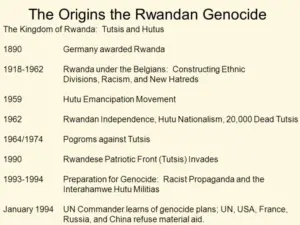
Why did the Rwandan genocide happen?
The genocide was caused by a lethal cocktail of ethnic cleavages dating back to pre-colonial times, which were reinforced by colonialism, opportunism in politics, economic decline, civil war apprehensions, and a calculated extremist strategy to hold onto power through genocide.
The colonial powers, first German and then Belgian, reinforced ethnic cleavages between Hutus (majority farmers) and Tutsi (minority herders and aristocracy) through identity cards and differential treatment.
The Hutus, in turn, after independence in 1962, discriminated against the minority Tutsi in education, jobs, and politics, which led to cycles of violence and eventual expulsion into exile.
The economic decline in the late 1980s due to falling commodity prices and overpopulation created apprehensions.
The RPF invasion in 1990 created paranoia that the Tutsi were attempting to regain dominance.
The Hutu extremists used government machinery to mobilize for genocide, trained youth militias like Interahamwe, imported machetes in bulk, and used propaganda to dehumanize Tutsi and mobilize ordinary citizens to kill each other, including friends and relatives.
The international community’s inaction despite warnings from UN peacekeepers and NGOs enabled the plan to proceed unchecked for months.
How did the Rwandan genocide happen?
The Rwandese genocide was an extremely planned extermination exercise carried out with chilling efficiency using low-tech weapons.
Preparation for the genocide began months prior, with death lists developed, Interahamwe militias trained, weapons collected, and propaganda heightened through the use of the radio and newspapers.
Following the plane crash on the 6th of April, 1994, the presidential guard and militias immediately began attacking Tutsis in Kigali, starting with prominent Tutsis and Hutu politicians.
Roadblocks were set up where identity cards were checked, with Tutsis immediately executed on the spot with machetes, clubs, hammers, or guns.
The killings soon spread to the countryside, where people were massacred in public places. Churches were also killing fields, where people sought refuge but were later betrayed by local authorities or the clergy.
Radio stations gave real-time guidance on how to carry out the killings, glorified the perpetrators, and encouraged others to participate, calling it a patriotic duty or an act of defending themselves.
Rape was also an integral weapon of the genocide. The killings were relentless, with the victims’ bodies dumped in rivers or left unburied.
Despite pleas from UN forces and early warnings, the international community largely withdrew, allowing the genocide to claim lives at an average of thousands per day until the RPF’s military victories in July 1994 finally stopped it.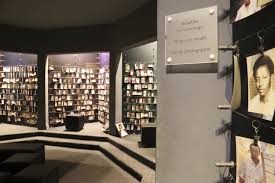
What is a Kigali Genocide Memorial tour like?
The Kigali genocide memorial tour is a leisurely and respectful experience that is both educational and emotionally charged.
The tour commences in the main building, where three consecutive permanent exhibitions present Rwanda’s pre-genocide history and colonial-era division.
The second exhibit is a poignant display of events in the 100 days of 1994 through survivor videos and photographs.
The third exhibit is a display of events in Rwanda’s post-genocide period of justice, reconciliation, and reconstruction.
The children’s memorial is a poignant display, followed by a display on genocides across the world.
The outdoor section consists of a walk through mass graves covered in concrete and a wall of names where thousands of names of victims are engraved.
The final section is a memorial garden.
Choices include a free basic entry for a self-guided tour.
The Ubumuntu Visit Package is an option where a multilingual audio guide is included for in-depth narration of each section.
Additionally, a single rose is included for placing on the graves, and a Champion Humanity pin is included.
Alternatively, visitors can join live guided tours led by staff witnesses, many of whom are genocide survivors, offering personal insights, answering questions sensitively, and providing emotional support.
The experience lasts 1–3+ hours (longer with guided options), leaving most visitors deeply moved but inspired by Rwanda’s resilience and message of hope.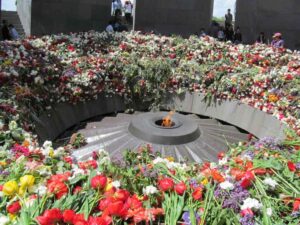 Check out also some of our other historical tours:
- Mind-Blowing Guide To Stone Town Zanzibar Tanzania
- Kapenguria Six Museum Best Guide
- Raila Odinga Burial Site & Jaramogi Oginga Odinga Mausoleum
- Top Guide to Nabongo Mumia Cultural Centre
- 3 Days Mombasa Educational Tour Package
Where is the Kigali Genocide Memorial located?
The Kigali Genocide Memorial is located on a central yet peaceful hillside location in Rwanda’s capital, accessible to both residents and international travelers.
It is situated in the Gisozi district of Kigali City, near KG 14 Ave, approximately 10 minutes by car from the city center and 20–30 minutes from Kigali International Airport.
The site is well signposted and easy to reach via taxi, private car, or motorbike taxis are also common and affordable for shorter trips.
Public buses serve the area but are less convenient for direct access. Parking is available on site.
The memorial is in a safe, urban neighborhood, and many hotels, tour operators, and drivers in Kigali offer dedicated transfers as part of city tours.
What is the design and architecture of the Kigali Genocide Memorial?
The design and architecture of the Kigali Genocide Memorial thoughtfully combine solemn dignity, symbolism, and serenity on a hillside overlooking the city, guiding visitors from darkness to light.
Here’s an explanation of the design and architecture of the Kigali Genocide Memorial:
1. Integration with the Burial Site
Built atop mass graves, the memorial honors victims’ final resting places while guiding visitors through a solemn, reflective path.
2. Sequential Exhibition Spaces
Three chronological exhibition areas take visitors from Rwanda’s pre-genocide history, through the 1994 genocide, to post-genocide justice and reconciliation, providing a clear narrative.
3. Symbolic Architectural Elements
The Wall of Names, Children’s Memorial, and concrete mass graves symbolize memory, lost innocence, and the scale of the tragedy.
4. Memorial Gardens and Landscaped Grounds
Peaceful gardens and winding paths offer spaces for contemplation, reflection, and emotional connection.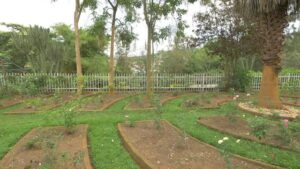
5. Use of Natural Light and Open Spaces
Light-filled corridors and open ceilings evoke transparency, hope, and a journey from darkness to understanding.
6. Blend of Modern and Traditional Design
Contemporary techniques combined with culturally resonant motifs reflect Rwanda’s history, resilience, and forward-looking commitment to remembrance and education.
What Exhibits and Artefacts Can Visitors See at the Kigali Genocide Memorial?
The exhibits and artefacts are curated with immense care to humanize victims, document historical truth, and educate on genocide mechanics without gratuitous graphic content.
Below are the exhibits and artefacts you will see at the Kigali Genocide Memorial:
1. Pre-Genocide History Exhibits
Displays trace Rwanda’s early history, colonial influence, and social divisions, providing essential context for understanding the causes of the 1994 genocide.
2. 100 Days of Horror Exhibits
Photographs, survivor videos, timelines, propaganda examples, and personal artefacts illustrate the harrowing events of the genocide, offering an emotional and factual account.
3. Post-Genocide Justice and Reconciliation
Exhibits explain the Gacaca courts, reconciliation efforts, and national renewal, showing Rwanda’s journey from tragedy to justice and unity.
4. Children’s Memorial
Dedicated to the youngest victims, this intimate space honors innocence lost and allows visitors to connect emotionally with the human cost.
5. Wall of Names and Mass Graves
Thousands of engraved names on the wall, alongside concrete-covered mass graves, preserve memory and give tangible scale to the tragedy.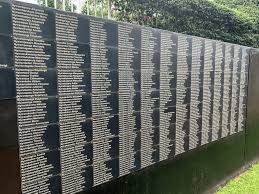 If you are a history buff, check out also some of our amazing places to visit, such as the Koobi Fora Museum in Sibiloi National Park:
- The 5 Best Places To Visit in Turkana County, Things to Do, & Places To Stay
- Best Places to Visit in Wajir County, Things to Do, Tourist Attractions & Accommodation
- 3 Days Mambrui Sand Dunes Package
- 6-Day Self Drive Kenya To Koobi Fora ~Venture
How does the Kigali Genocide Memorial teach history through educational programs and guided tours?
The memorial teaches history through comprehensive, multi-level educational programs and guided tours that extend far beyond a single visit.
These programs reach students, educators, professionals, and global audiences to promote peace and genocide prevention.
Below are some ways the Kigali Genocide Memorial teaches:
1. Guided Tours by Witnesses
Tours are led by trained staff, many of whom are genocide survivors, offering firsthand accounts, personal insights, and sensitive explanations that bring history to life.
2. Survivor Testimony Sessions
Scheduled sessions allow visitors to hear directly from survivors, fostering empathy, emotional engagement, and a deeper connection to the events of 1994.
3. Multilingual Audio Guides
The Ubumuntu Visit Package provides detailed narration in multiple languages at each stop, allowing visitors to explore at their own pace while understanding the context, symbolism, and stories behind the exhibits.
4. Educational Workshops for Students
The memorial hosts school programs that teach young people about Rwanda’s history, human rights, and the importance of reconciliation, using interactive lessons, discussions, and storytelling.
5. Cultural and Reflective Activities
Workshops and guided reflection exercises encourage visitors to consider lessons on tolerance, conflict prevention, and personal responsibility in building peace.
6. Community Engagement Programs
The memorial collaborates with local and international organizations to create ongoing educational initiatives that strengthen awareness about genocide prevention and promote global human rights advocacy.
What are the visitor experience and reflection areas like?
The visitor experience at the Kigali Genocide Memorial is both intensely emotional and profoundly respectful, shifting from shock and grief indoors to hope and reflection outside in designated areas.
Visitors tend to begin with hushed silence, then move on to tears, especially at the Children’s Memorial, where personal stories and objects bring home the enormity of the tragedy.
The chronological presentation is designed to foster understanding, avoiding sensationalism.
Outside, the mass graves and Wall of Names command profound reverence, with many taking time in silence to pay their respects to those who rest there.
The memorial gardens are essential for visitor processing.
The Gardens of Unity and Division & Reconciliation illustrate the power of reconciliation between groups.
The Rose Gardens provide space for personal tributes, laying the Ubumuntu rose.
The Garden of Self Protection, Provinces of Rwanda Garden, Flower of Life Garden, and Forest of Memory provide natural, peaceful spaces for visitors.
Discreet support is available, and many visitors tend to linger in the gardens after their visit, finding peace and new resolve for humanity before leaving the memorial site.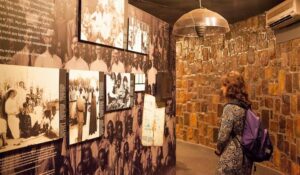
How has Kigali Genocide Memorial impacted Rwandan society and reconciliation?
The Kigali Genocide Memorial has impacted Rwandan society and reconciliation, serving as the national cornerstone for remembrance, survivor support, and truth-telling.
Below is an explanation of how Kigali Genocide Memorial impacted Rwandan society and reconciliation:
1. Dignified remembrance and burial
Provides a sacred resting place for over 250,000 victims, offering families closure and national healing through proper mourning and annual Kwibuka commemorations.
2. Educates generations on prevention
Reaches millions via exhibitions, school programs, and teacher training, replacing division ideology with unity and “never again” values in Rwanda’s national curriculum.
3. Supports survivors and reconciliation
Offers trauma care, livelihood programs, and survivor-perpetrator dialogues, preserving testimonies and fostering forgiveness at the community level.
4. Promotes restorative justice
Highlights Gacaca courts and truth-telling processes, reducing revenge and building trust, contributing to Rwanda’s stability and social cohesion.
5. Inspires global prevention advocacy
Attracts worldwide visitors and shares Rwanda’s story of resilience, boosting national pride and positioning the country as a model for ending hate cycles.
This memorial has turned immense loss into a foundation for unity, peace education, and hope in modern Rwanda.
What is the important information and tips to know before visiting Kigali Genocide Memorial?
Below are the important information and tips to know before visiting Kigali Genocide Memorial to help in planning a respectful and meaningful visit to the Kigali Genocide Memorial:
Opening Hours: 9:00 am – 5:00 pm daily (last entry 4:00 pm), 7 days a week.
On the last Saturday of each month, opens from 1:00 pm – 5:00 pm due to the national Umuganda community service.
Closed on Christmas Day, New Year’s Day, and occasionally the morning of 7 April.
Entrance Fees: Basic entry is completely free for all visitors (Rwandans and internationals), with donations strongly encouraged to support maintenance, survivor care, and programs.
Enhanced Options
The Ubumuntu Visit Package is recommended for a deeper experience, and it includes a multilingual audio guide, a single rose to lay at the graves, Champion Humanity pin, and café Wi-Fi.
Tips & Etiquette
Here are the key visiting tips and etiquette for the Kigali Genocide Memorial in a very brief 4-point format:
Dress & Behavior
Dress modestly, cover shoulders, knees, and stay respectful, silent near graves, no running or loud talking.
Photography & Rules
No photos or filming inside exhibitions, near graves, mass graves, or the Wall of Names (gardens usually check signs). No touching or stepping on graves, no food, drink, or pets in sensitive areas.
Accessibility & Prep
Outdoors, gardens/paths are wheelchair accessible, and indoors has stairs. Bring tissues, prepare emotionally, and visit early in the trip if possible.
Café & gift shop on site.
Respect these rules to honour the site and victims.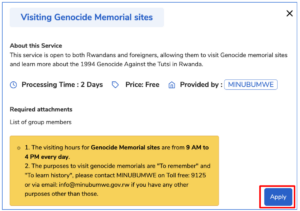
Conclusion
The Kigali Genocide Memorial is not just a site of remembrance but a living memorial that seeks to address the painful questions of when, why, and how the 1994 Genocide Against the Tutsi happened.
At the same time, it is a tribute to Rwanda’s incredible ability for forgiveness, unity, and rebirth.
By survivor-led tours, exhibitions, a touching children’s memorial, and lessons from across the world, victims are remembered with the dignity they deserve.
The peaceful surroundings, where roses bloom amidst graves, are an opportunity for reflection while keeping their memories alive for education against hatred and apathy.
Every visitor leaves a different person, carrying within themselves a newfound understanding of humanity’s vulnerability and resilience.
Whether a component of an in-depth Kigali genocide memorial tour or a moment of solitude, this site leaves an enduring impression.
It is a reminder that even in the face of great tragedy, humanity can rise again on a foundation of truth, compassion, and collective purpose.
It is an experience that honours the past, illuminates the present, and inspires a future where “never again” is not just a slogan but a lived commitment to champion humanity everywhere.
Plan your meaningful visit to the Kigali Genocide Memorial with Naicef, the best tour company, and experience a powerful journey of remembrance, understanding, and Rwanda’s enduring message of ‘Never Again.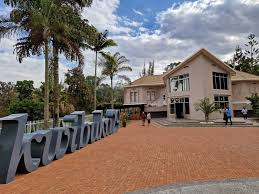 Contact us at +254799922277 or email my@naicef.com. You can even:
Book Any Tour Here
Frequently Asked Questions on Kigali Genocide Memorial
1. Is Kigali Genocide Memorial entry free?
Basic entry is completely free for everyone, with voluntary donations supporting survivor aid, maintenance, and education.
2. Are photos/videos allowed, and what is the dress code?
Photography and filming are strictly prohibited inside all exhibitions, near mass graves, to preserve respect and privacy for victims’ memories.
Outdoor memorial gardens are generally permitted for respectful photos; always check signage. Dress modestly and respectfully cover shoulders and knees, avoid revealing or casual beachwear.
3. How long should I plan for my visit?
Plan 1–3+ hours for a fulfilling experience. Self-guided with the audio package typically takes about 2 hours.
4. Are guided tours available, and who leads?
Yes, live guided tours of exhibitions and gardens are highly recommended and often led by genocide survivors or trained staff witnesses who share authentic insights with great care.
5. Is it suitable for children?
Children under 12 are not permitted due to the emotional intensity and graphic historical content. Older children/teens may visit with parental discretion and preparation.
6. What should I bring?
Bring water drink outside, tissues, comfortable shoes for walking, and perhaps a notebook for thoughts.
7. Can I visit virtually or access more resources later?
Yes, free 360° virtual tours let you explore exhibitions, gardens, and key areas from anywhere. The Genocide Archive of Rwanda provides online access to testimonies, documents, and photos for continued learning.