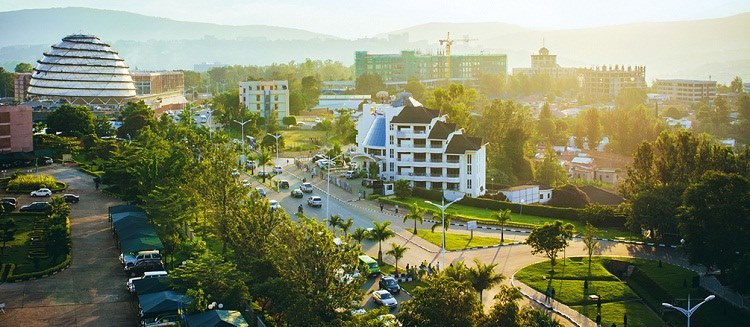
Did you know that Kigali City, Rwanda’s capital, is often ranked the cleanest, safest, and most organized cities in Africa?
Discover with Naicef the best guided tour to Kigali City, set across rolling green hills in the heart of the country.
Kigali City is Rwanda’s political, economic, and cultural centre, and also its largest urban area.
For tourists, Kigali is usually the first point of entry into Rwanda, but it quickly becomes clear that it’s not just a stopover.
Things to do in Kigali City are exciting, from hilltop views and lively markets to cozy cafes and cultural experiences. This is also from meaningful sites like the Kigali Genocide Memorial Centre, to excellent Kigali city hotels, thriving food and coffee culture, and welcoming neighbourhoods.
Kigali offers an experience that blends reflection, resilience, and everyday African city life in a way few capitals do.
Which is the best tour company to Kigali city? The best tour company to Kigali City is Naicef, and you can reach out to us via our email at my@naicef.com or call: +254799922277.
You can even;
Book A Kigali City Tour Here
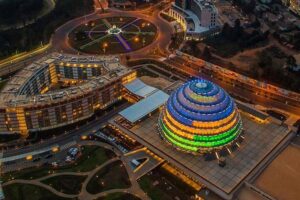
What are the most interesting facts about Kigali City?
Here are some of the most interesting facts about Kigali City, from its scenic hills and clean streets to its safety, vibrant coffee and art culture, carefully planned growth, and powerful history.
These qualities make the city full of surprises for every visitor.
1. Built on rolling hills
Kigali is spread across lush hills and valleys, offering scenic views, cooler air, and a calm, relaxed vibe that’s rare for a fast-growing capital.
2. One of Africa’s cleanest cities
The streets are remarkably clean thanks to strict environmental policies, the plastic bag ban, and Umuganda, a monthly community clean-up day where citizens improve public spaces together.
3. One of Africa’s safest capitals
Visitors often note Kigali’s low crime rates, well-lit streets, and regulated public transport, making it very safe for tourists and first-time visitors.
4. Planned population growth
With over 1.7 million residents, Kigali is growing rapidly but in a structured and organized way, maintaining green spaces, orderly neighbourhoods, and a pleasant urban environment.
5. A memorial and burial site
The Kigali Genocide Memorial Centre is both a museum and the final resting place for over 250,000 victims of the 1994 Genocide against the Tutsi, making it a place of reflection, education, and reconciliation.
6. World-class coffee culture
Coffee isn’t just a drink here; it’s part of Kigali’s identity. Local cafés work with farmers to offer ethically sourced, high-quality Arabica coffee, making each cup a taste of Rwanda’s story.
What is the history of Kigali City?
The city was founded in 1907 during German colonial rule as a small administrative outpost.
Later, under Belgian administration, it slowly expanded, remaining modest compared to other African capitals.
After Rwanda gained independence in 1962, Kigali became the official capital due to its central location and accessibility.
The most defining moment in Kigali’s modern history came in 1994 during the Genocide against the Tutsi.
The city was at the heart of the tragedy, and the scars are still honoured today through memorials and education.
Since then, Kigali has transformed into a model of recovery, planning, and resilience, blending modern infrastructure with cultural heritage and becoming a symbol of Rwanda’s progress.
Where is Kigali City located in Rwanda?
The location of Kigali City is near the geographical centre of Rwanda.
This makes it a natural hub for travellers exploring the country.
Built on rolling hills, the city enjoys a cooler climate than many equatorial capitals, averaging about 1,500–1,600 meters above sea level.
Its central location also makes it easy to access Rwanda’s top destinations.
In just a few hours, you can reach Volcanoes National Park where you can be able to encounter the Mountain Gorillas, Akagera National Park, Nyungwe Forest, or Lake Kivu.
Plus, Kigali International Airport is only a short drive from the city centre, so getting in and out is convenient for international visitors.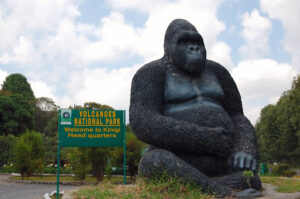
What is the population of Kigali City?
The Kigali City population is estimated at over 1.7 million residents.
Making it by far Rwanda’s most populous city.
What’s notable isn’t just the size, but the pace of growth.
Kigali is one of the fastest-growing cities in East Africa, driven by rural-to-urban migration, economic development, and expanding infrastructure.
Despite this growth, the city has managed to remain organized, with relatively low density in many areas, and easy to navigate, something visitors often find surprising and refreshing.
What is the Kigali Genocide Memorial Centre and why is it important?
The Kigali Genocide Memorial Centre is Rwanda’s most important place of remembrance and reflection.
It was established to honour the more than 250,000 victims buried at the site and to tell the story of the 1994 Genocide against the Tutsi in a truthful, educational, and dignified way.
For many visitors, this is not just a museum; it’s an emotional and deeply human experience.
Inside the memorial, exhibitions explain Rwanda’s history before the genocide.
How the genocide unfolded, and how the country has worked toward unity and reconciliation since then.
Personal stories, photographs, and testimonies help visitors understand the human cost behind the history, making it easier to connect emotionally rather than just intellectually.
The memorial is important because it preserves memory, promotes education, and serves as a warning for future generations.
It encourages reflection on the consequences of hatred and division, while also highlighting Rwanda’s resilience and commitment to peace.
For visitors to Kigali City, the memorial provides essential context better understanding of the country, its people, and how Rwanda has moved forward with dignity and strength.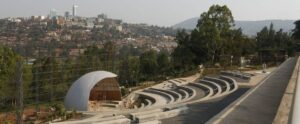
Which are the Best Luxury Hotels in Kigali?
The best luxury hotels in Kigali, offering exceptional comfort, prime locations, refined service, and experiences that reflect the city’s calm sophistication and modern character, are detailed below.
1. Hemingway’s Retreat Kigali
Hemingway’s Retreat delivers Kigali’s most exclusive and refined luxury stay. Spacious private suites, highly personalised service, fine dining, and a serene residential setting make it feel more like a private retreat than a hotel, perfect for travellers who value calm, privacy, and understated elegance.
2. Kigali Marriott Hotel
The Kigali Marriott offers contemporary luxury in the city centre with spacious rooms, multiple dining options, a full spa, and a large outdoor pool. It is perfect for travellers who want modern comfort paired with convenience and consistency.
3. Radisson Blu Hotel & Convention Centre
Radisson Blu impresses with stylish design, vibrant social spaces, and direct access to the Kigali Convention Centre. Its polished rooms, rooftop bar, and lively atmosphere make it ideal for business travellers and event-goers seeking luxury with energy.
4. Hôtel des Mille Collines
This iconic hotel blends history and comfort, offering elegant rooms, landscaped gardens, and a relaxed atmosphere. Its cultural significance, combined with refined service, gives guests a luxury stay rich in heritage and character.
5. Ndaru Luxury Suites
Ndaru Luxury Suites offer apartment-style living with stylish interiors, private balconies, and a quiet setting in the upscale Nyarutarama neighbourhood.
Ideal for extended stays, it combines home-like comfort with upscale luxury touches.
6. Kigali Serena Hotel
Kigali Serena combines timeless elegance with lush, resort-style gardens. Its refined rooms, exceptional spa, and polished service make it ideal for travellers seeking traditional five-star comfort and a tranquil escape within the city.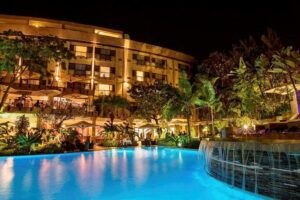
7. Mövenpick Hotel Kigali
Mövenpick delivers global five-star standards with modern rooms, refined dining, and relaxed lounge spaces.
The Perfect proximity to business hubs and the Kigali Convention Centre ensures comfort, convenience, and consistent luxury.
8. Grand Legacy Hotel
This elegant hotel offers spacious rooms, attentive service, and a calm environment.
Perfect for travellers who want luxury without crowds, it balances comfort, convenience, and peacefulness.
9. Kigali Paramount Hotel
A boutique-style hotel featuring modern, stylish rooms and highly personalized service.
Has intimate scale and relaxed atmosphere appeal to travellers seeking discreet luxury in a smaller, more private setting.
10. Lemigo Hotel
Lemigo Hotel combines well-appointed rooms, multiple dining options, and proximity to Kigali’s commercial and diplomatic areas.
A strong choice for both business and leisure travellers who want reliable, contemporary luxury.
What are the amazing things to do in Kigali City?
The amazing things to do in Kigali City are guided city walks, nightlife experiences, hilltop explorations, cultural workshops, wellness sessions, and cafe culture. Here is now the breakdown of each activity;
1. Guided City Walks
Kick off your day with a stroll through Kigali’s leafy streets. Feel the city wake up as you explore local markets, spot vibrant street art, and peek into hidden corners that tell the story of how Kigali became one of Africa’s cleanest capitals.
See also the other amazing experiences that we have guided tours to various cities within East Africa:
- Half Day Nairobi City Tour Package
- 3 Days Beach Vacation in Kenya
- 4 Days 3 Nights Vacation Zanzibar Beach Holiday
- 3 Days Mambrui Sand Dunes Package
- 5 Days Zanzibar Itinerary Tour Package
2. Hilltop Viewpoints
Take a short climb to one of Kigali’s hilltops and be rewarded with sweeping views of the city rolling over green hills.
It’s the kind of spot where you pause, take a deep breath, and just soak it all in.
See also one of our exciting guides to 35 Best Hiking Trails In Kenya, and even some of our adventure experiences:
- Mount Kilimanjaro Climb Rongai Route 7 Days
- 5-Day Mt Elgon Tour Package
- 4 Days Rock Climbing Package
- 4 Days Mount Meru Trekking Package
- Mt Kenya 1 Day Hike Package
- 1 Day Mt. Longonot Hike
- Ultimate Ngong Hills Package
3. Cultural Workshops & Cooking Classes
Roll up your sleeves and dive into Rwandan culture. Whether you’re learning to cook a traditional dish or joining a music and dance workshop, it’s a hands-on way to connect with the people and rhythms that make Kigali so special.
See also some of our amazing cultural experiences below:
- Mombasa 5 Days Cultural Package
- 5 Days Aberdare & Samburu Cultural Tour Package
- 5 Days Masai Mara & Amboseli Cultural Tour
- 5 Days Lake Logipi Self Drive Safari Tour Package
- 4 Days Wewo Catholic Church Self Drive
- 3 Days Western Kenya Cultural Tour Package
4. Wellness & Relaxation
Need a break from exploring? Slip into a yoga studio, enjoy a spa treatment, or hit a fitness class.
Kigali has plenty of spots to slow down, recharge, and feel your best while travelling.
Here is also one of our exciting guides to the Best Wellness Destinations in Kenya, and even packages that you can experience:
5. Evening & Nightlife
As evening falls, Kigali reveals a relaxed, friendly side. Sip a drink at a rooftop lounge, catch live music, or unwind in a cozy café.
The city’s nightlife is inviting and safe, perfect for enjoying the evening without the chaos of big clubs.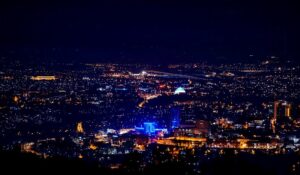 See also our interesting stories below on nightlifes to various cities in East Africa:
- Top 1 Best Guide on Nightlife In Mombasa Kenya
- Reasons Why You Should Visit Nairobi ~ It’s Not Just A Stopover, Roam With Lions & Dine With Locals
6. Art Galleries & Local Crafts
Kigali’s art scene is buzzing. Wander through galleries showcasing contemporary Rwandan art, or visit craft markets to pick up handmade jewelry, paintings, and textiles.
It’s a chance to support local artists and take home a piece of the city’s creativity.
7. Coffee & Café Culture
Kigali loves its coffee, and there’s no better way to experience it than visiting a local café. Sip freshly brewed Rwandan coffee while soaking in the lively café atmosphere, chatting with locals, or just watching the city go by.
Which attractions should you not miss in Kigali City?
Kigali’s attractions focus on culture, creativity, and everyday life rather than massive landmarks.
Kimironko Market is one of the most visited spots, offering a real look into local trade, food, and crafts.
It’s busy, colourful, and authentic.
Art lovers can get to explore Inema Arts Centre and other galleries that showcase modern Rwandan creativity.
These spaces often double as studios, meaning you can meet artists and watch them work.
Cultural centres and museums across the city help visitors understand Rwanda’s journey and identity thoughtfully.
For scenic relaxation, you can explore Kigali’s hills and green spaces, which provide quiet escapes within the city perfect for photos and reflection.
What cultural experiences can travellers enjoy in Kigali?
Culture in Kigali feels lived in and authentic, not staged.
Visitors can attend traditional dance performances, storytelling sessions, or community events that highlight Rwanda’s heritage.
Local neighbourhoods like Nyamirambo are especially popular for guided cultural tours that focus on daily life, food, and community values.
Handicraft workshops allow travellers to see how traditional baskets, jewellery, and textiles are made, often by women’s cooperatives.
These experiences are interactive and meaningful, offering insight into both culture and social development.
Kigali’s culture is gentle but powerful. It invites you to observe, listen, and engage respectfully.
Are there day trips and nearby attractions from Kigali City?
Yes, Kigali is an excellent base for exploring other parts of Rwanda.
Several popular destinations are just a few hours away, making day trips or overnight excursions very easy.
Travellers often head to Volcanoes National Park for gorilla trekking, Akagera National Park for wildlife safaris, or Lake Kivu for lakeside relaxation.
Cultural villages, tea plantations, and scenic countryside routes are also accessible from the city.
This central positioning adds strong value to staying in Kigali, especially for travellers planning multi-day itineraries.
What is Kigali’s food, coffee, and art scene like?
Kigali’s food scene is grounded in simplicity and freshness.
Local meals are nourishing and flavourful, often shared in relaxed settings.
International restaurants are also widely available, reflecting Kigali’s growing global connections.
Coffee is a highlight.
Kigali cafés take pride in serving locally grown beans, and many offer tasting experiences that explain Rwanda’s coffee journey from farm to cup.
Coffee here isn’t rushed; it’s social and intentional!
The art scene continues to grow, with galleries, studios, and creative hubs shaping Kigali into a quiet cultural capital.
Art in Kigali often tells stories of identity, resilience, and hope.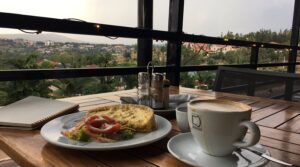
Is Kigali City safe for tourists and first-time visitors?
Kigali is widely regarded as one of the safest cities in Africa.
The streets are orderly, public spaces are respected, and community values are strong.
Visitors often comment on how comfortable they feel walking around during the day and early evenings.
Security systems are well established, and people are generally helpful toward visitors.
As always, basic travel awareness is recommended, but Kigali offers a calm and reassuring environment for tourists.
What is the best time of year to visit Kigali City?
The best time to visit Kigali is throughout the year, thanks to its mild climate and comfortable temperatures.
Dry seasons are especially good for outdoor activities and travel around the country, while rainy months bring greener landscapes and fewer crowds.
Temperatures are comfortable year-round, making Kigali a pleasant destination regardless of season. Planning often depends more on travel goals than weather limitations.
How many days are enough to explore Kigali City?
Most visitors find 3 to 5 days ideal for exploring Kigali comfortably.
This allows time for cultural attractions, food experiences, city walks, and relaxation.
Those combining Kigali with national parks or lake destinations may choose to stay longer, using the city as a base.
Kigali adapts well to both short stays and extended visits.
How do visitors get around Kigali City?
Transportation in Kigali is simple and efficient. Motorcycle taxis are fast and commonly used, while regular taxis are easy to arrange through hotels.
Roads are well-maintained, and traffic is generally manageable.
Walking is also enjoyable in many parts of the city, especially during the day.
Overall, moving around Kigali feels safe and straightforward for visitors.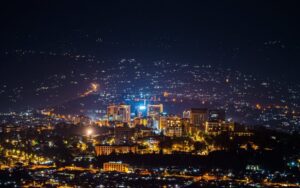
Conclusion
Kigali City is more than Rwanda’s capital.
It is a place where history, resilience, creativity, and everyday life come together with quiet confidence.
From its rolling green hills and thoughtful urban planning to powerful sites like the Kigali Genocide Memorial Centre, Kigali reveals depth and character at every turn.
Combined with a vibrant food and coffee culture and a strong sense of safety and community, the city leaves a lasting impression on every visitor.
Whether you’re exploring markets and art centres or enjoying locally grown coffee, fun things to do in Kigali City invite you to slow down and connect with the city.
For many, it also serves as a gateway to Rwanda’s national parks, where the experience feels calm, meaningful, and deeply human.
Kigali is not just a city you pass through; it’s one you take time to understand, reflect on, and remember long after you leave.
For a personalized tour to Kigali City, contact Naicef via our contact email at my@naicef.com or call: +254799922277.
You can also;
Book Any Tour Here

Frequently Asked Questions about Kigali City
1. Is Kigali City safe to visit and walk around?
Yes, Kigali City is widely considered one of the safest capital cities in Africa.
You generally feel comfortable walking during the day and early evening, with basic travel precautions advised.
2. Is Kigali City worth visiting?
Yes, Kigali City is worth visiting for its cleanliness, safety, meaningful history, cultural experiences, and vibrant food, coffee, and art scene.
It is also the main gateway to Rwanda’s top attractions.
3. What is Kigali City best known for?
Kigali is best known for being one of Africa’s cleanest and safest cities, the Kigali Genocide Memorial Centre, and its role as Rwanda’s political, cultural, and economic hub.
4. How many days do you need in Kigali City?
Most travellers spend 3 to 5 days in Kigali, which is enough time to explore the city, visit cultural sites, enjoy local food, and relax.
5. What is the best area to stay in Kigali City?
Popular areas include Kiyovu, Nyarutarama, and the city centre, as they offer easy access to attractions, restaurants, and major Kigali city hotels.
6. What is the best time of year to visit Kigali City?
Kigali can be visited year-round, but the dry seasons are often preferred for sightseeing and travelling to other parts of Rwanda.
7. Is the Kigali Genocide Memorial Centre free to visit?
Yes, entry to the Kigali Genocide Memorial Centre is generally free, though donations are encouraged to support education and preservation.
8. What food should I try in Kigali City?
You should try Isombe, Ugali, Brochettes, Akabenz, and fresh tilapia, along with Rwanda’s well-known Arabica coffee.
9. What language is spoken in Kigali City?
Kinyarwanda is the main language, but English and French are widely spoken, especially in hotels, restaurants, and tourist areas.
10. Can Kigali City be used as a base for safaris and gorilla trekking?
Yes, Kigali’s central location makes it an excellent base for visiting Volcanoes National Park, Akagera National Park, and Lake Kivu.