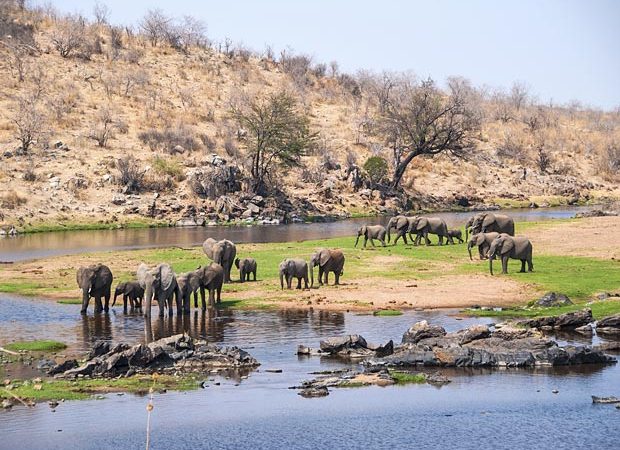
Are you ready to step into Ruaha National Park Tanzania, a vast wilderness where lions roar louder than the silence of the savannah?
With Naicef, discover what Ruaha National Park Iringa Tanzania is all about, when Ruaha National Park established, and the Ruaha National Park location that makes it a hidden gem compared to the busier northern parks.
From luxury stays at Ruaha National Park lodges like Jabali Ridge to authentic tented camps along the river, soak in the raw beauty of Tanzania’s southern circuit in this amazing guide.
Which is the best tour company to Ruaha National Park? The best tour company to Ruaha National Park is Naicef, and you can contact us at +254799922277 or email my@naicef.com to begin your Ruaha adventure today.
Did you know that Ruaha National Park is Tanzania’s second-largest national park after Selous Nyerere National Park, and not only that, it gets interesting, it is also still East Africa’s second-largest? How amazing that is!
Which Are The Interesting Facts About Ruaha National Park Tanzania?
The interesting facts about Ruaha National Park Tanzania are that it is rich in wildlife, it is one of the major parks in the southern circuit, it entails amazing ecosystems, and it has a unique safari experience. Below are now the details:
Did you know that Ruaha National Park Iringa Tanzania, hosts about 10% of Africa’s lion population, making it one of the best places to see lions in large prides?
Besides that, it is one of the few places where greater and lesser kudu coexist, a rare phenomenon you could ever find in Africa.
The park supports other significant animals such as leopards, cheetahs, African wild dogs, and buffalo, alongside Tanzania’s largest elephant population. In addition to that, the park is home to over 570 different bird species, making it a special haven.
In terms of the landscapes and ecosystems, the park is famous for its gigantic ancient baobab trees, the Great Ruaha River, the sandy riverbeds, and the dramatic rocky hills.
When Was Ruaha National Park Established?
Ruaha National Park established in 1964, shortly after Tanzania gained independence.
Originally, the area was a game reserve dating back to 1910, created to protect wildlife and natural landscapes.
Its designation as a national park in 1964 marked a turning point in conservation, strengthening protection for elephants, lions, and rare antelopes like kudu.
In 2008, the park expanded further when the Usangu Game Reserve and wetlands were incorporated, increasing its size to over 20,000 km².
Today, Ruaha National Park stands as Tanzania’s second-largest national park and one of the most significant protected areas in East Africa.
Where Is Ruaha National Park Location?
The Ruaha National Park location is in south‑central Tanzania, about 130 km west of Iringa town. It forms part of the vast Rungwa‑Kizigo‑Muhesi ecosystem, which spans over 45,000 km².
The park is defined by the Great Ruaha River, which flows along its southeastern margin and serves as the lifeline for wildlife.
Its remote setting makes it less accessible than northern circuit parks, but that remoteness is exactly what gives Ruaha its wild, untouched appeal.
Visitors can reach it by road from Iringa or by flight to Msembe and Jongomero airstrips.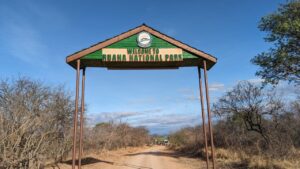
What Are The Ruaha National Park Activities?
The Ruaha National Park activities are endless game drives, bird watching, walking safaris, photographic safaris, river exploration, cultural visits, bush dining experiences, and night drives, where permitted.
So, are you ready to uncover these fun things to do in Ruaha National Park Tanzania? Here is the breakdown:
1. Game Drives
Encounter different predators like lions, leopards, and Cheetahs alongside elephants and buffalo during a Ruaha National Park safari with the help of our Naicef guide.
The morning game drives bring predator action, while evening drives showcase herds returning to the river, making the place a perfect destination for an African game safari.
Here is one of our amazing luxury tours with a combination of Ruaha National Park Tanzania, as part of the experience:
| Day/Time | Route | Details | Activities |
| Day 1 Depends on arrival time | Dar es Salaam Airport → Hotel → Dar es Salaam Zoo | Upon arrival at Julius Nyerere International Airport, meet your safari guide and transfer to your hotel (approx. 30 minutes). After check‑in and rest, enjoy lunch. In the afternoon, visit Dar es Salaam Zoo in Kigamboni to see lions, giraffes, zebras, crocodiles, and bird species marking the start of your Tanzania 8-day safari private tour. Return to the hotel for dinner and overnight stay. | · Arrival & hotel transfer · Dar es Salaam Zoo visit · Dinner & overnight stay |
| Meal Plan: Dinner {D} | |||
| Day 2 5 to 6 hours drive | Dar es Salaam → Mikumi National Park | After breakfast, drive to Mikumi National Park, which is about 5 to 6 hours. Stop for lunch en route. On arrival, enjoy a late afternoon game drive through Visada, Kisungura Circuit, Mkata Drive, and Obama Circuit. Dinner and overnight at your selected accommodation. | · Scenic drive · Afternoon game drive |
| Meal Plan: Breakfast, Lunch & Dinner {B, L, D} | |||
| Day 3 Full day | Mikumi National Park → Maasai Village | Breakfast at camp. Full‑day game drive across Mikumi’s plains with picnic lunch, making it a memorable part of your private 8 days Tanzania safari itinerary. Spot elephants, lions, buffaloes, zebras, and giraffes. In the evening, visit a Maasai village for cultural immersion. Dinner and overnight at your booked camp. | · Endless game drives · Picnic lunch · Maasai village visit |
| Meal Plan: Breakfast, Lunch & Dinner {B, L, D} | |||
| Day 4 5 hours drive | Mikumi → Ruaha National Park | After breakfast, depart for Ruaha National Park (approx. 5 hours). Lunch on arrival. Afternoon to evening game drive along the Great Ruaha River as part of your Tanzania 8-day Safari Private Tour. Dinner and overnight at a selected lodge. | · Scenic transfer · Evening game drive |
| Meal Plan: Breakfast, Lunch & Dinner {B, L, D} | |||
| Day 5 Sunrise – Sunset | Ruaha National Park Tanzania | Full‑day game drive exploring the Great Ruaha River, Mwagusi Sand River, and Mdonya River. Spot elephants, buffaloes, lions, leopards, antelopes, and colorful birds. Lunch in the bush. Dinner and overnight at your selected accommodation. | · Full‑day game drive · Bush lunch |
| Meal Plan: Breakfast, Lunch & Dinner {B, L, D} | |||
| Day 6 Morning – Evening | Ruaha → Mikumi National Park | Early morning game drive until 8:30 a.m. Return for breakfast. Continue with another short game drive before driving back to Mikumi town. Dinner and overnight at Camp Lilac Mikumi. | · Morning game drive · Scenic transfer |
| Meal Plan: Breakfast, Lunch & Dinner {B, L, D} | |||
| Day 7 45 minutes drive | Mikumi → Udzungwa Mountains | After breakfast, transfer to Udzungwa Mountains National Park (approx. 45 minutes). Register at the gate and hike the Sanje waterfalls route (3 to 4 hours). Spot rare Iringa red colobus monkeys, ancient trees, birds, and butterflies. Dinner and overnight at Camp Lilac Mikumi. | · Hiking adventure · Waterfall exploration |
| Meal Plan: Breakfast, Lunch & Dinner {B, L, D} | |||
| Day 8 5–6 hours drive | Mikumi → Dar es Salaam | Breakfast and check‑out. Drive back to Dar es Salaam (approx. 5 to 6 hours). Stop for lunch in Morogoro town. Drop‑off at the airport, ferry, or hotel. End of the Tanzania 8‑day safari private tour. | · Scenic drive · Lunch stop · Departure |
| Meal Plan: Breakfast & Lunch {B, L} | |||
You can;
Book This Tour Here
 Here are some of our other experiences where you can come across different wild animals:
- 3 Days Serengeti National Park Safari Tour
- 3 Days Ol Pejeta Package
- 3 Days Aberdare National Park Safari
- 3 Days Mara Amboseli Hot Air Balloon Safari
- 3 Days Rimoi Reserve Self-Drive Safari Tour
- Epic Samburu Safari Package For 3 days
- 4 Days 3 Nights Vacation Zanzibar Beach Holiday
- 5 Days Tsavo Mombasa Safari Holiday
- 5 Days Samburu Aberdare Wildlife Safari Package
- 6 Days Kenya Safari Tour Package
2. Birdwatching
Are you a bird lover? With over 570 bird species, Ruaha is a bird’s haven, with some of the highlights including hornbills, kingfishers, and migratory flocks during the green season.
Masai Mara National Reserve & Lake Nakuru National Park in Kenya are also some of the best birding destinations where you can come across different bird species. Here are some experiences you can look at:
- Rewarding Bird Watching In Kenya ~ Get Your Wings Up & Binoculars Ready!
- 3 Days Nakuru Bird Watching in Kenya Safari
- Full Day Nairobi Birding Kenya Package
3. Walking Safaris
Enjoy a guided walking safari by expert rangers, and explore the bush on foot, where you get to learn about plants, track footprints, and feel the thrill of spotting giraffes or antelopes at eye level.
This experience is just unforgettable, and you can also check out our other Walking Safari In Kenya guide for such an immersion. Check also our amazing tours that can be customized to accommodate such as an experience:
- 3 Days Masai Mara luxury safari
- 3 Days Ol Kinyei Honeymoon
- 3 Days Samburu Safari Luxury Tour
- 4 Days Masai Mara And Lake Nakuru Safari Luxury Tour
- 5 Days Masai Mara Amboseli Safari Luxury Tour
- 10-Day Luxury Family Safari Package
4. Photographic Safaris
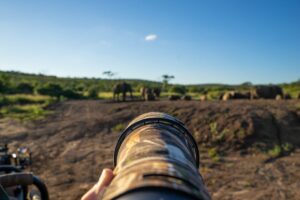
Capture dramatic landscapes, predator hunts, and elephant herds while in Ruaha National Park Tanzania, and with even specialized guides, they will help position you for the perfect shot.
Here is one of our interesting guides to “Tips For Capturing Epic Photos In A Safari” and even some of our tour packages, where you can capture those memorable moments:
- 3 Days Masai Mara Photography Safari
- 4 Days Nakuru Naivasha Holiday Safari
- 3 Days Mambrui Sand Dunes Package
- 2 Days Masai Mara Balloon Safari Package
- 2 Days 1Night Amboseli Hot Air Balloon Safari Tour
5. River Exploration
Get to explore the lifeline of the park, sustaining wildlife year‑round, which is the Great Ruara River. Watch elephants drink, crocodiles bask, and hippos wallow along its banks.
6. Cultural Visits Tours
Explore Iringa’s vibrant markets and crafts, and get to have an immersion in the norms of the local people. In addition to that, learn traditions of the Hehe people, adding cultural depth to your safari.
Below are some of our other immersive cultural experiences:
- Mombasa 3 Day Package Cultural Tour
- A 3 Days Samburu Cultural Tour
- 3 Days Masai Mara Cultural Package
- 3 Days 2 Nights Aberdares Cultural Tour
- 3 Days Western Kenya Cultural Tour Package
- 4 Days Wewo Catholic Church Self Drive
- 5 Days Lake Logipi Self-Drive Safari Tour Package
- 6-Day Self-Drive Kenya To Koobi Fora ~Venture
- The Exclusive No. 1 Best Matatu Packages In Kenya
- Best Curio Shops In Kenya ~ A Marketplace Crafted By Culture, Collected By You
7. Bush Dining Experiences
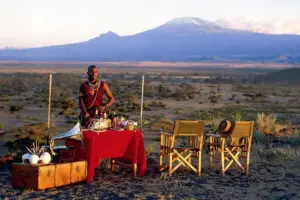
Enjoy meals set in the wilderness, surrounded by the sounds of nature and sundowners by the river or candlelit dinners under baobabs, making your safari even more magical.
Look into some of our packages below, of which you can experience dining in the jungle:
8. Night Drives
Only in areas of the park where it is permitted, experience the park after dark, spotting nocturnal species like civets, genets, and owls.
This is a thrilling way to see predators in action under the stars.
9. Conservation Tours
Learn about Ruaha’s conservation projects, anti‑poaching efforts, and community initiatives as you gain insight into how tourism supports wildlife protection.
Look into some of the amazing destinations where conservation & community empowerment are huge motives that drive these protected areas:
- David Sheldrick Elephant Orphanage
- Best Guide To Giraffe Centre Nairobi Kenya
- Best Guide to Ol Pejeta Conservancy
- Top Guide to Namunyak Wildlife Conservancy
- Top Guide to Lewa Wildlife Conservancy
- Best Guide to Mara North Conservancy
- Best Guide to Mara Naboisho Conservancy
- Best Guide To Ol Kinyei Conservancy
- Top Guide to Olare Motorogi Conservancy
- Guide on ALL Best Conservancies in Kenya
10. Star‑Gazing in the Wilderness
With minimal light pollution, Ruaha offers dazzling night skies, and it is the perfect way to end your safari day with cosmic wonder.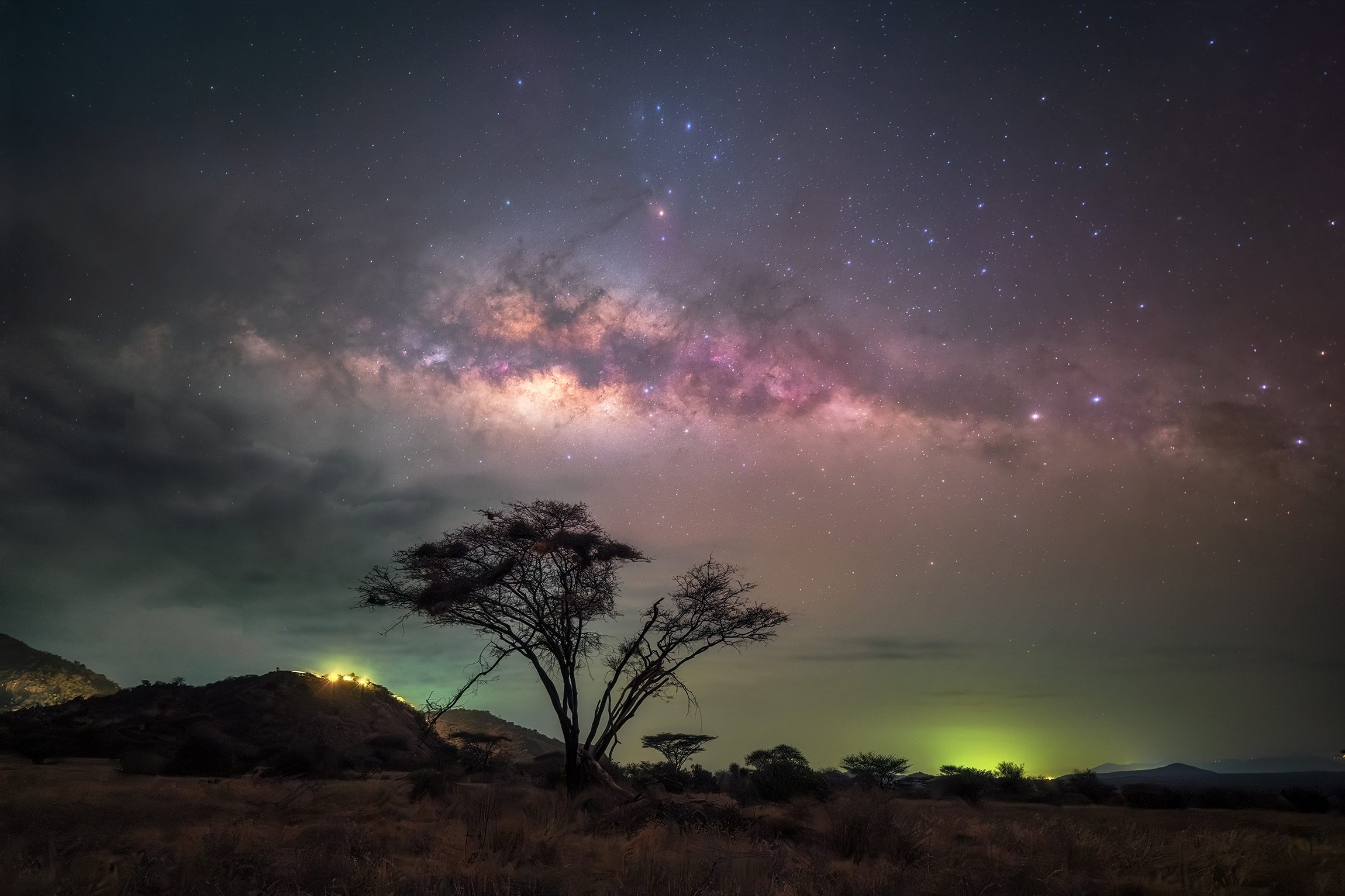 Here is a guide to some of our other extraordinary experiences as such:
- 3-Days Samburu Stargazing Tour Package
- Guide On The Storytelling Evenings Around the Fire with Elders
- Guide On Astro-Tourism In Kenya
When Is The Best Time To Visit Ruaha National Park Iringa Tanzania?
The best time to visit Ruaha National Park Iringa Tanzania is mostly the dry season, but each season is ideal for a particular activity, and this is as follows;
i) Dry Season (June to October)
This is the prime safari period, the peak season, for amazing game drives as the vegetation thins out, making it easier to spot predators and large herds.
During this season, animals gather around the Great Ruaha River and its tributaries, creating dramatic scenes of elephants, lions, and buffalo competing for water.
ii) Green Season (November to May)
During this time, the park transforms into a lush paradise with vibrant greenery, wildflowers, and dramatic skies. This is actually the best time for bird enthusiasts, as the place is home to over 570 bird species that thrive here, including migratory flocks.
It is an ideal season for travelers seeking tranquility, fewer crowds, and discounted lodge rates.
Which Are The Best Ruaha National Park Lodges?
The best Ruaha National Park lodges are Jabali Ridge, Jongomero Camp, Ikuka Safari Camp, Mwagusi Safari Camp, Ruaha River Lodge, Kigelia Ruaha, and Tandala Tented Camp, among others.
Here are now more details on these accommodation options:
1. Jabali Ridge
Perched dramatically on a rocky escarpment with breathtaking views of the Mwagusi River, Jabali Ridge is the definition of opulence in the wild.
Guests enjoy infinity pools, spa treatments, and stylish stone suites with panoramic views, making it one of the luxury Ruaha National Park lodges.
It’s perfect for travelers who want to combine luxury with the thrill of being surrounded by untamed wilderness.
2. Ikuka Safari Camp
Ikuka Safari Camp is known for its cliff‑top location and does offer private plunge pools and personalized service. The elevated position gives sweeping views across the park, making sunrise and sunset moments unforgettable.
It is perfect for honeymooners or those seeking exclusivity.
3. Mwagusi Safari Camp
It is a well‑established camp offering tented bandas and personalized guiding, making it an ideal mid-range Ruaha National Park accommodation option.
Known for its warm hospitality and strong conservation ethos, Mwagusi is a favorite among repeat visitors who value character and charm.
4. Jongomero
Jongomero Camp sits along the Jongomero River in a remote, intimate area. Its luxury tents with private decks provide unmatched privacy and direct access to exceptional game viewing.
This lodge is ideal for those who want to disconnect completely and immerse themselves in Ruaha’s raw beauty, making it one of the best Ruaha National Park lodges. 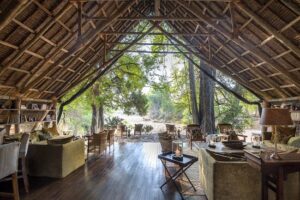
5. Kigelia Ruaha
It is a rustic tented camp designed for authenticity, where guests enjoy close wildlife encounters, with Elephants and Lions often wandering nearby.
Kigelia Ruaha Camp emphasizes simplicity and immersion in nature.
6. Kilimatonga Wilderness Camp
Eco‑friendly and simple, Kilimatonga Wilderness Camp emphasizes sustainability while keeping guests close to wildlife action.
It is perfect for those who prefer a back‑to‑basics safari.
7. Ruaha River Lodge
Ruaha River Lodge is one of the oldest and most popular lodges, featuring 24 stone chalets along the riverbank.
Its location ensures constant wildlife sightings, and it’s well‑suited for families and groups seeking comfort with a touch of tradition.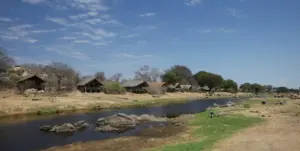
8. Tandala Tented Camp
Tandala Tented Camp does offer comfortable tents with open verandas provide affordable safari stays without sacrificing the wilderness experience. It’s ideal for travelers who want value and adventure.
9. Park Bandas & Campsites (TANAPA)
Managed by TANAPA, these bandas and campsites are budget‑friendly and basic, but they allow adventurous travelers to stay right inside the park at minimal cost.
Why Is Ruaha A Hidden Gem Compared to Other Tanzanian Parks?
When you think of safaris in Tanzania, the northern circuit, Serengeti, Ngorongoro, Tarangire, Lake Manyara, and Arusha National Parks usually steal the spotlight.
Yet, tucked away in the southern circuit lies Ruaha National Park Tanzania, and Nyerere National Park, among a few others, destinations that offer something far more authentic, raw, and intimate.
a) Ruaha vs Serengeti & Ngorongoro
- Serengeti & Ngorongoro: They are famous for the Great Migration and dramatic predator‑prey spectacles, but often crowded with safari vehicles.
Here is one of our few experiences you can try out to these destinations;
- Ruaha National Park Iringa Tanzania: The park is vast, remote, and far less visited. Wildlife encounters here are private, with prides of lions or herds of elephants often seen without another vehicle nearby.
b) Ruaha vs Tarangire National Park
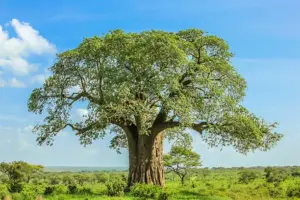
- Tarangire: Known for its baobabs and seasonal elephant migrations, but smaller and busier due to proximity to Arusha.
See also one of our amazing tours to Tarangire:
- Ruaha: Offers similar baobab‑dotted landscapes but on a much grander scale, with permanent elephant populations and predators thriving year‑round.
c) Ruaha vs Lake Manyara National Park
- Lake Manyara: Lake Manyara National Park is famous for tree‑climbing lions and flamingos, but compact and often crowded. Look into one of our exciting tours to Lake Manyara below:
- Ruaha: It provides a broader wilderness canvas, with diverse habitats ranging from river valleys to escarpments, and far fewer tourists.
d) Ruaha vs Arusha National Park
- Arusha: A great day‑trip park near Arusha town, offering views of Mount Meru and varied ecosystems, but limited in size and big game density. Below are a few experiences in this incredible destination:
- Ruaha: Remote and expansive, with large populations of elephants, lions, and rare antelopes like kudu, making it a true big‑game destination.
e) Ruaha vs Nyerere National Park (Selous)
- Nyerere National Park: The park is known for its unique river safaris along the Rufiji and its sheer size, making it the largest national park in East Africa and among the largest in Africa.
- Ruaha: Ruaha National Park Iringa Tanzania, on the other hand complements Nyerere perfectly, while Nyerere offers water‑based safaris, Ruaha delivers predator‑rich game drives and rugged landscapes. Together, they form the ultimate southern circuit safari.
Conclusion
In the end, Ruaha National Park Tanzania is not just another safari stop; it is a wilderness that whispers secrets only to those bold enough to listen.
From its rich history, with Ruaha National Park established in 1964, to its remote setting in Ruaha National Park Location near Iringa, this park has remained a hidden gem.
Here, luxury blends with authenticity at the finest Ruaha National Park lodges, while the Great Ruaha River dramatically sustains life.
Every game drive, every star‑lit night, every cultural encounter pulls you deeper into a story that feels raw, intimate, and unforgettable.
So, as the sun sets behind ancient baobabs and the roar of lions echoes across the plains, one question lingers:
Will you be among the few who uncover the secrets of Ruaha National Park Iringa Tanzania, or will you let its mystery remain hidden?
Discover now with Naicef the magic behind Ruaha National Park by reaching out to us via our contact email my@naicef.com or call +254799922277. You can also;
Book Any Tour Here
Frequently Asked Questions (FAQs) about Ruaha National Park Tanzania
1. What wildlife can be seen in Ruaha National Park Iringa Tanzania?
The park is famous for large populations of elephants, lions, leopards, cheetahs, buffalo, giraffes, and African wild dogs.
2. Where is Ruaha National Park located?
Ruaha National Park is in south‑central Tanzania, west of Iringa town, and forms part of the larger Rungwa‑Kizigo‑Muhesi ecosystem.
3. When was Ruaha National Park established?
The park was officially established in 1964, later expanded to become Tanzania’s largest national park.
4. How do you get to Ruaha National Park Iringa Tanzania?
Visitors can reach Ruaha by road which is about 2 to 3½ hours from Iringa town or by daily flights to Msembe and Jongomero airstrips.
5. What is the size of Ruaha National Park Tanzania?
Ruaha National Park covers over 20,000 km², making it the biggest national park in Tanzania and one of the largest in East Africa.
6. What are the best Ruaha National Park lodges?
Options range from luxury lodges like Jongomero Camp and Ikuka Safari Camp, to mid‑range tented camps and budget bandas.
7. What activities can visitors enjoy in Ruaha National Park?
Popular Ruaha National Park activities include game drives, walking safaris, birdwatching, photographic safaris, and cultural visits to nearby villages
8. What bird species are found in Ruaha?
With over 570 bird species, Ruaha is a paradise for birdwatchers, including hornbills, kingfishers, and fish eagles.
9. What is the best time to visit Ruaha National Park?
- Dry season (June to October): Best for wildlife viewing.
- Green season (November to May): Ideal for birdwatching and lush scenery.
10. Why is Ruaha National Park unique compared to other Tanzanian parks?
Its remote location, fewer tourists, and vast wilderness make it one of Tanzania’s most authentic safari experiences.
11. Are there cultural experiences near Ruaha?
Yes, visitors can explore Iringa town and nearby villages to learn about local traditions and crafts.
12. What is the Ruaha National Park location relative to other parks?
Ruaha lies in the southern safari circuit, often combined with Selous/Nyerere National Park and Mikumi National Park.
13. What conservation efforts exist in Ruaha National Park Tanzania?
TANAPA and partners focus on anti‑poaching, community involvement, and sustainable tourism to protect its ecosystems.
14. Is Ruaha suitable for family safaris?
Absolutely, many lodges offer family‑friendly accommodations and tailored safari activities.