Did you know that Arusha National Park Tanzania is one of the most underrated safari gems in East Africa? In this amazing guide by Naicef, discover different attractions in Tanzania Arusha National Park, and various Arusha Tanzania things to do.
And those of you wondering how big is Arusha National Park? Stick along as we get to unravel all that.
From the luxury Arusha National Park lodges to budget campsites get find a cozy spot to rest after you explore this fascinating park in Tanzania.
So, which is the best tour company to Arusha National Park? The best tour company to Tanzania Arusha National Park gate entrance is Naicef.
For a personalized experience at the park, reach out to us via our contact email at my@naicef.com or tap: +254799922277. You can even:
Book Any Tour Here
Now, did you know that there is an attraction inside Arusha National Park that is nicknamed “Little Ngorongoro” from the famous Ngorongoro Crater National Park, which is still in Tanzania?
Interesting, right? Let’s dive right into some other catchy facts about this park.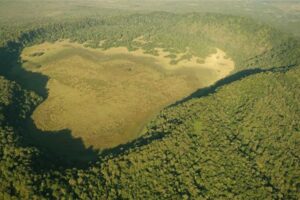
What Are The Interesting Facts About Arusha National Park Tanzania?
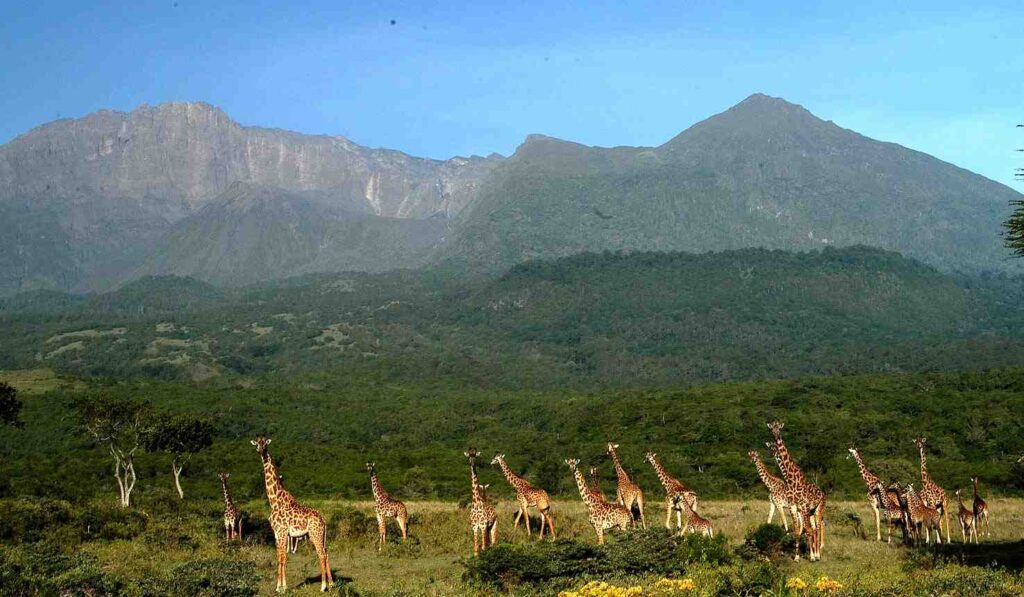
The interesting facts about Arusha National Park Tanzania are that the park is home to the largest number of Giraffes, Tanzania’s secpond highest mountain, and the stunning Momella Lakes. Below are the details for these facts, among others:
Did you know that Tanzania Arusha National Park is home to the largest Giraffe population in the world?
How amazing that is! So this means, if you’ve ever wanted to feel short, this will just be the place.
Besides that, the park entails Mount Meru (4,566m), which is Tanzania’s second-highest peak and a great warm-up climb before Mount Kilimanjaro, Africa’s tallest mountain.
Being home to various attractions, Tanzania Arusha National Park harbours the Ngurdoto Crater, which is interesting in that it is nicknamed “Little Ngorongoro.” However, don’t let the name fool you, as the crater is also still big enough to make you say “wow.”
Arusha National Park Tanzania is also one of the few parks where one can do canoeing safaris because sometimes, driving isn’t enough, and paddling feels cooler.
The Momella Lakes are also major attractions inside the park, and they are said to change color depending on algae and minerals. Think of them as nature’s mood rings.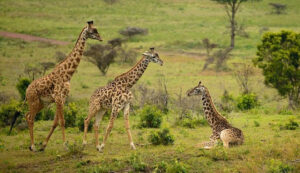
What is Arusha National Park History?
Arusha National Park history begins in the late 19th Century in 1876 when Count Teleki, a Hungarian explorer, visited the Momella area. He reported seeing Hippos and Black Rhinos at the place.
Imagine being the first tourist, no fees, no lodges, just you and the wild animals!
Later in the early 20th Century, the Trappe family resided in Momella for farming, and Mrs. Trappe became the first professional female hunter in East Africa. Fascinating, right?
From ranch to reserve, Mrs.Trappe later gave out a part of her estate for conservation purposes, which then came to be part of the park.
In 1960, the park was officially established as Ngurdoto Crater National Park, focusing only on Ngurdoto Crater. At that time, Tanzania’s second-highest mountain, Mt. Meru, wasn’t included in the park.
Later in 1967, the park now was renamed to Arusha National Park Tanzania, and Mount Meru was included, making it a full park.
Because the park was heavily forested, grazing animals were hard to spot. Authorities created an open grassland called “Serengeti Ndogo” (Mini Serengeti) to attract grazers like zebras and buffalo.
Over time, Tanzania invested in infrastructure such as the Arusha National Park gate, lodges, picnic sites, and even museums. Today, visitors enjoy comfort while exploring. Back in Count Teleki’s day, the only “picnic site” was a termite mound.
How big is Arusha National Park Tanzania?
How big is Arusha National Park? is a question most people wonder!
Well, Tanzania Arusha National Park size is 552 square kilometers, and though it might not win any awards for size compared to its heavyweight cousins like the Serengeti (14,750 km²), it makes up for its diversity.
The park is big enough to host Mount Meru (4,566m), the Ngurdoto Crater, and the Momella Lakes, yet small enough that you can explore multiple ecosystems in a single day. One moment you’re in dense rainforest with colobus monkeys swinging overhead, the next you’re paddling across a flamingo-filled lake.
An interesting, fun fact is that if you tried to walk across the park end-to-end, it would take about 2 to 3 days, that is depending on how many times you stop to take selfies with giraffes.
How Can I Get To Tanzania Arusha National Park?
Getting to Tanzania Arusha National Park is refreshingly simple, which is why it’s often called the “gateway park” of northern Tanzania.
The park is located just 25 km east of Arusha town and about 35 km from Kilimanjaro International Airport (KIA), making it one of the most accessible safari destinations in the country.
If you’re flying in, you can land at KIA, grab your bags, and be spotting giraffes within an hour, try doing that in Serengeti, and you’ll still be negotiating with zebras on the road.
From Arusha town, the drive to the park takes roughly 40 minutes, depending on traffic and how many goats decide to cross the road that day.
The distance from Arusha to Tarangire National Park is about 90 km, which means Tarangire is a longer day trip compared to Arusha National Park.
Similarly, the Arusha to Serengeti National Park distance is about 50 km to the park’s eastern edge, but don’t be fooled, getting deep into Serengeti takes several hours due to its vast size.
That’s why Arusha National Park is perfect for travelers short on time but big on adventure.
Which Are The Arusha National Park Entrance Gates?
The park has multiple entry gates, but the most commonly used Arusha National Park gate is the Ngongongare Gate.
Roads are well maintained, and the short drive makes it easy to combine Arusha with other northern circuit highlights like Tarangire, Serengeti, and Ngorongoro.
Here is one of our amazing Arusha National Park tours that does combine various destinations in the northern Tanzania circuit:
| DAY/TIME | ROUTE | DETAILS | ACTIVITY |
| Day One | Arusha Town – Arusha National Park Tanzania | Pick‑up from your stay in Arusha town and begin your Tanzania Arusha National Park Tour. Enjoy a game drive with picnic lunch boxes, then explore the park on foot with a ranger. Overnight will be at a selected lodge. | Start your Northern Circuit Safari Tanzania adventure with a mix of game drives and walking safaris. |
| Meal Plan: Lunch & Dinner provided | |||
| Day Two | Arusha – Tarangire National Park | Early morning departure to Tarangire National Park, where you will encounter large elephant herds, lions, leopards, and abundant plains game along the Tarangire River. Overnight will be at a selected lodge. | Continue your 4 Days Safari Tanzania with classic game viewing in Tarangire. |
| Meal Plan: Breakfast, Lunch & Dinner | |||
| Day Three | Tarangire – Ngorongoro Crater | After breakfast, drive to Ngorongoro Crater for a full‑day game drive with a picnic lunch. Discover one of Africa’s Natural Wonders, home to black rhinos, lions, elephants, buffalo, zebras, wildebeest, and diverse birdlife such as flamingos. Overnight will be at a selected lodge. | Explore the highlight of your Northern Circuit Tanzania Safari inside the world’s largest intact caldera. |
| Meal Plan: Breakfast, Lunch & Dinner | |||
| Day Four | Ngorongoro – Lake Manyara – Arusha Town | Morning transfer to Lake Manyara National Park for game drives. Famous for tree‑climbing lions, large baboon troops, elephants, giraffes, and hippos. After lunch, return to Arusha town, where the safari ends. | Conclude your Tanzania Northern Circuit Itinerary with Lake Manyara’s unique wildlife encounters. |
| Meal Plan: Breakfast & Lunch provided | |||
The other gates include:
- Momella Gate. It is situated near the Momella Lakes, ideal if you’re heading straight for canoeing or birdwatching.
- Njeku Gate. It is less commonly used, but it provides access to the eastern side of the park.
So if you are looking to visit the park, seek out the best Arusha National Park gate.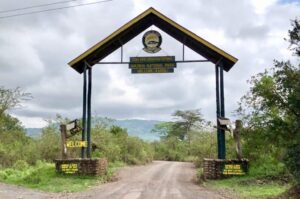
What Wildlife and Landscapes Can You See in Arusha National Park?
The Arusha National Park wildlife and landscapes you can see here are nothing short of spectacular, offering a compact safari experience that feels larger than life, and they are as follows:
a) Arusha National Park Animals
Arusha National Park is home to a wide array of animals such as Elephants, buffalo, zebras, giraffes, hippos, bushbucks, warthogs, and the playful colobus monkeys.
Predators are rare, which makes walking safari Arusha National Park safe, unless you’re terrified of monkeys stealing your snacks.
The giraffe population here is the largest in the world, so imagine watching as these creatures graze against the backdrop of Mount Meru. It is a sight that feels like stepping into a wildlife documentary, only without the narrator’s British accent.
b) Birdlife
The park is a paradise for bird lovers, with over 400 species recorded. Flamingos turn the Momella Lakes into a pink spectacle, while turacos and hornbills add splashes of color to the forest canopy.
Migratory birds arrive between November and April, making the park a seasonal hotspot for casual birdwatchers. If you’re not into birdwatching, don’t worry. After seeing flamingos strut like runway models, you might just become a fan.
Ever heard of the iconic Pink Lake? This is none other than Lake Nakuru in Lake Nakuru National Park, one of the amazing birding destinations in Kenya, and home to large populations of the Greater & Lesser Flamingoes.
Check it out and even see if you could try out our tours below to Lake Nakuru National Park in Nakuru County, Kenya:
- 3 Days Nakuru Bird Watching in Kenya Safari
- 2 Days Lake Nakuru Safari Package
- 4 Days Nakuru Naivasha Holiday Safari
- 4 Days Masai Mara And Lake Nakuru Safari Luxury Tour
c) Scenery
The landscapes of Arusha National Park are as diverse as its wildlife. You’ll find lush montane forests filled with waterfalls, volcanic craters like Ngurdoto that resemble miniature versions of Ngorongoro, and the Momella Lakes.
The panoramic views of both Mount Meru and Kilimanjaro are breathtaking, especially at sunrise when the peaks glow golden. It’s the kind of scenery that makes you forget about Wi‑Fi and emails, though if you must, imagine sending a Zoom link with Kilimanjaro in the background.
And here’s the kicker: because of its location, Arusha National Park is often chosen by climbers preparing for Mount Kilimanjaro as they get to first conquer Mount Meru. It’s the perfect warm‑up, both geographically and physically.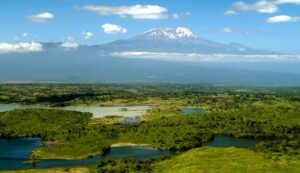 Here is one of our ideal itinerary program you can opt for to hike Mount Kilimanjaro, as you first challenge yourself to climb Mount Meru in the park:
| DAY/TIME | ROUTE | DETAILS | ACTIVITY | DIFFICULTY & ALTITUDE GAIN |
| Day One | Arusha – Rongai Gate – Simba Camp (2,650m) | Pick‑up and drive to Rongai Gate, registration with park authorities, and introduction to the crew. Trek through a rainforest alive with monkeys and birds. Overnight at Simba Camp. | Begin your Kilimanjaro climb Rongai Route adventure. | Easy trek, ~+650m gain |
| Meal Plan: Lunch & Dinner provided | ||||
| Day Two | Simba Camp – Second Cave (3,450m) | Hike through the rainforest into the moorland zone. Lunch stop, rest, and acclimatization walk. Overnight at Second Cave. | Continue your Mount Kilimanjaro Rongai Route trek. | Moderate trek, ~+800m gain |
| Meal Plan: Breakfast, Lunch & Dinner | ||||
| Day Three | Second Cave – Kikelewa Camp (3,950m) | Gradual trek across moorland with scenic views. Acclimatization walk later in the day. Overnight at Kikelewa Camp. | Leisurely day on the Kilimanjaro Rongai Route. | Easy trek, ~+500m gain |
| Meal Plan: Breakfast, Lunch & Dinner | ||||
| Day Four | Kikelewa Camp – Mawenzi Hut (4,400m) | Short but steep climb to Mawenzi Hut beneath the dramatic Mawenzi Peak. Afternoon acclimatization hike. Overnight at Mawenzi Hut. | Key acclimatization day of your Rongai Route Kilimanjaro journey. | Challenging trek, ~+450m gain |
| Meal Plan: Breakfast, Lunch & Dinner | ||||
| Day Five | Mawenzi Hut – School Hut (4,750m) | Long scenic trek across the saddle between Kibo and Mawenzi peaks. Arrive for lunch, summit briefing, and early dinner. Overnight at School Hut. | Prepare for the summit push on the Rongai Route 7 days climb. | Moderate trek, ~+350m gain |
| Meal Plan: Breakfast, Lunch & Dinner | ||||
| Day Six | School Hut – Uhuru Peak (5,895m) – Horombo Hut (3,720m) | Midnight start for summit attempt. Ascend via Hans Meyer Cave to Gilman’s Point, then Stella Point, before reaching Uhuru Peak. Celebrate at Africa’s highest point, then descend to Horombo Hut. | Highlight of your Mount Kilimanjaro Rongai Route adventure. | Very strenuous trek, ~+1,145m up then ‑2,175m down |
| Meal Plan: Breakfast, Lunch & Dinner | ||||
| Day Seven | Horombo Hut – Marangu Gate – Arusha/Nairobi | Final descent through rainforest with fresh air and birdlife. Clear with park headquarters, receive the summit certificate, and transfer to the hotel. | Conclude your Rongai Route Kilimanjaro trek. | Easy descent, ‑1,720m down |
| Meal Plan: Breakfast & Lunch provided | ||||
But that is after you’ve finished Mount Meru, haha!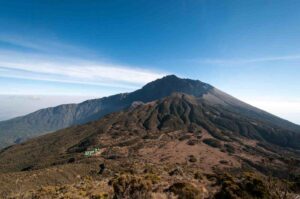 Credit to
What Are The Arusha Tanzania Things To do?
The Arusha Tanzania things to do are such as game drives, walking tours, canoeing, hiking, and even bird watching. Below are now the details for each activity:
1. Game Drives
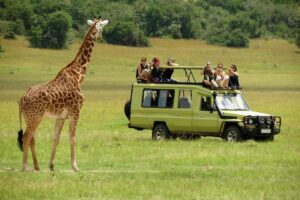
You can experience thrilling game drives across the “Mini Serengeti” plains, a specially created grassland where zebras, buffalo, and giraffes gather in large numbers.
Have close encounters with herds grazing peacefully, framed by the dramatic backdrop of Mount Meru, and yes, you can experience the joy of snapping photos without needing a zoom lens, because the animals often wander right by your vehicle.
See our amazing guide on “How to Capture Epic Photos In A Safari” and even look at some our amazing wildlife safaris where you can spot various wild animals from the Big Five, Shy Five, Special Five, to Ugly Five:
- 3 Days Serengeti National Park Safari Tour
- 3 Days Samburu Safari Luxury Tour
- 5 Days Serengeti Migration Safari
- 5 Days Big Five Safari Package
- 5 Days Tsavo Mombasa Safari Holiday
- 5 Days Masai Mara Amboseli Safari Luxury Tour
2. Walking Safari Arusha National Park
Be guided on walking safaris through lush forests and crater landscapes, something rare in most Tanzanian parks. With predators being scarce, you can safely explore the park on foot while monkeys swing overhead and antelopes dart through the undergrowth.
You can experience the thrill of hearing birdsong and rustling leaves up close, instead of through a car window. And if you’re lucky, you can experience the sight of giraffes towering above you as you walk, making you feel like a guest in their living room.
Here is also our amazing guide on walking safari tours in Kenya that you can read about.
3. Hiking Mount Meru
Enjoy trekking Mount Meru, Tanzania’s second-highest peak at 4,566 meters, which takes between 3 and 4 days, and the rewards are amazing, such as the volcanic ridges and Mt.Kilimanjaro.
You can experience the perfect acclimatization climb before attempting Kilimanjaro, especially routes like the Rongai or Lemosho routes.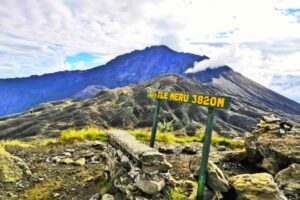 Here is our other Mt.Kilimanjaro hiking route program, the Lemosho trail, of which you can also still consider hiking up to the summit of Mt. Kilimanjaro:
| DAY/TIME | ROUTE | DETAILS | ACTIVITY | DIFFICULTY & ALTITUDE GAIN |
| Day One | Arusha/Moshi – Londorossi Gate – Big Tree Camp (2780m) | Pick‑up from the lodge in Arusha/Moshi. Drive to Londorossi Gate (2,250m) for registration. Short drive to the trailhead at the rainforest edge. Trek through lush jungle alive with birds and Colobus monkeys. Overnight at Big Tree Camp. | Begin your Hiking Mount Kilimanjaro Tours. | Easy trek, ~+530m gain |
| Meal Plan: Lunch & Dinner provided. | ||||
| Day Two | Big Tree Camp – Shira Camp 1 (3500m) | Ascend through the thinning forest into the moorland dotted with lobelias and erica plants. Rolling hills open up wide views of the Shira Plateau. Overnight at Shira Camp 1 with views of Kibo Peak. | Continue your Mount Kilimanjaro tour with scenic trekking. | Moderate trek, ~+720m gain |
| Meal Plan: Breakfast, Lunch & Dinner | ||||
| Day Three | Shira Camp 1 – Shira Camp 2 (3900m) | Cross Shira Ridge with rocky ground and low grasses. Flatter terrain makes for a more relaxed hike. Sweeping views of the Great Rift Valley and Mount Meru. Overnight at Shira Camp 2. | Leisurely trek across volcanic landscapes. | Easy trek, ~+400m gain |
| Meal Plan: Breakfast, Lunch & Dinner. Dinner under starry skies. | ||||
| Day Four | Shira Camp 2 – Lava Tower (4640m) – Barranco Camp (3960m) | Trek uphill to Lava Tower (4,640m) for acclimatisation. Rest, then descend to Barranco Camp (3,960m). “Climb high, sleep low” strategy. | Key acclimatisation day of your Climb Mount Kilimanjaro journey. | Challenging trek, ~+740m up then ‑680m down |
| Meal Plan: Breakfast, Lunch & Dinner provided.Warm meal at Barranco Camp. | ||||
| Day Five | Barranco Camp – Karanga Camp (4035m) | After breakfast, tackle the famous Barranco Wall. Pass the “Kissing Rock” and continue through Karanga Valley. Reach Karanga Camp, the last water point before the summit. Overnight at Karanga Camp. | Exciting climb section. | Moderate trek, ~+75m gain |
| Meal Plan: Breakfast, Lunch & Dinner | ||||
| Day Six | Karanga Camp – Barafu Camp (4640m) | Trek through the dry alpine desert to Barafu Camp. Rocky landscape with dramatic views of Mawenzi Peak. Early dinner and rest before summit attempt. Overnight at Barafu Camp. | Prepare for summit push. | Moderate trek, ~+605m gain |
| Meal Plan: Breakfast, Lunch & Dinner provided. Early dinner before summit night. | ||||
| Day Seven | Barafu Camp – Uhuru Peak (5895m) – Mweka Camp (3080m) | Midnight start for summit attempt. Ascend through scree to Stella Point (5730m), then along the crater rim to Uhuru Peak (5895m). Celebrate at Africa’s highest point. Descend back to Barafu, then onward to Mweka Camp. | Highlight of your Mount Kilimanjaro Lemosho route 8 days adventure. | Very strenuous trek, ~+1255m up then ‑2815m down |
| Meal Plan: Breakfast, Lunch & Dinner. | ||||
| Day Eight | Mweka Camp – Mweka Gate – Arusha/Moshi | Breakfast and farewell ceremony from the trekking crew. Descend through lush rainforest to Mweka Gate (1630m). Receive the summit certificate. Transfer back to Arusha/Moshi. Relax at the hotel with a shower, pool, or bar time. | Conclude your Hiking Mount Kilimanjaro adventure. | Easy descent, ‑1450m down |
| Meal Plan: Breakfast & Lunch provided. Final celebratory meal. | ||||
You can;
Book The Tour Here
4. Birdwatching
Experience birdwatching at its finest, with over 400 species recorded in the park as you spot flamingos strutting like runway models, turacos flashing their vibrant feathers, and hornbills calling from the treetops.
Here are also some of our other experiences where you can encounter different bird species;
- 3 Days Masai Mara Photography Safari
- 2 Day Lake Manyara & Tarangire National Park Tour
- 3 Days Ol Pejeta Package
- 3 Days Serengeti Fly In Safari Luxury Tour
- 3 Days Amboseli National Park Luxury Safari
- 3 Days Mambrui Sand Dunes Package
- 5 Days Samburu Safari Kenya & Nanyuki Luxury
5. Canoeing
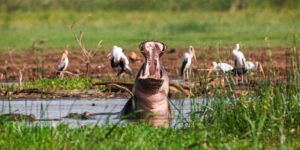
You can experience canoeing across the Momella Lakes, gliding silently past flocks of flamingos that turn the water pink in Arusha National Park Tanzania, making it a special activity.
Enjoy the serenity of paddling while hippos grunt in the distance, and kingfishers dive for their lunch.
Look out also for our amazing guide to Ndere Island National Park in Kisumu County, Kenya, where one can only access the park via a boat ride to the island. See our tour to this fascinating place among others:
6. Cultural Visits
Experience authentic cultural visits to nearby Maasai villages, where traditions are alive and vibrant. You can experience storytelling around campfires, beadwork demonstrations, and dances that connect you to centuries of heritage.
Check out our other cultural tours below that connect you to various cultures such as Maasai, Agikuyu, Amboseli, Pokot, Kalenjin, Swahili, Samburu, Luo, and Luhya people, among others:
- Mombasa 3 Day Package Cultural Tour
- 3 Days Samburu Cultural Tour
- 3 Days 2 Nights Aberdares Cultural Tour
- 3 Days Western Kenya Cultural Tour Package
- 3 Days Masai Mara Cultural Package
- 4 Days Wewo Catholic Church Self Drive
- 5 Days Lake Logipi Self Drive Safari Tour Package
- 6-Day Self Drive Kenya To Koobi Fora ~Venture
When is the Best Time to Visit Arusha National Park?
The best time to visit Tanzania Arusha National Park depends on what you want to experience, whether it’s wildlife viewing in the dry season or birdwatching in the wet season.
- Dry Season (June to October)
You can experience Arusha National Park Tanzania at its clearest during the dry season, when skies are blue, and wildlife gather around water sources. This is the best time for spotting giraffes, buffalo, and elephants on the open plains, as vegetation is thinner and visibility is excellent.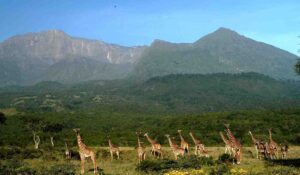
- Wet Season (November to April)
This is usually the prime time for birdwatching, with flamingos, turacos, and hornbills adding color to the landscape. You can experience dramatic scenery as waterfalls swell and mist rolls across the crater rim.
Sure, you might get a little muddy, but hey, mud is just nature’s spa treatment.
See our interesting guide to the Best Wellness Destinations In Kenya and experiences that are suitable for anyone, from Solo Travelers, Groups, Couples(honeymoons), or even Families:
- 3 Days Spa & Wellness Retreat Package
- Mud Games in Kenya Package
- 3 Days Ol Kinyei Honeymoon
- 3 Days 2 Nights Masai Mara Honeymoon Package
- 3 Day Nanyuki Honeymoon Package
- 3 Days Naivasha Honeymoon Package
- 3 Days Honeymoon in Mombasa Package
- 10-Day Luxury Family Safari Package
- 10-Day Family Safaris In Kenya- Luxury
Which Are The Tanzania Arusha National Park Lodges & Accommodation Options?
The Tanzania Arusha National Park lodges & accommodation options are quite a variety, from luxury retreats such as Hatari lodge inside Arusha National Park to budget campsites, all strategically situated for easy access to the park.
They do include:
1. Hatari Lodge
Hatari lodge inside Arusha National Park Tanzania is one of the most fascinating Arusha National Park lodges, famously linked to the 1962 Hollywood film Hatari! starring John Wayne.
It is nestled near the Momella Lakes, offering breathtaking views of both Mount Meru and Kilimanjaro, making it a perfect choice for travelers seeking cinematic scenery with modern comfort.
2. Mount Meru Game Lodge
This is also one of the most elegant Arusha National Park lodges, where lush gardens, resident wildlife, and personalized service create a tranquil escape. It is ideal for those who want a safari adventure by day and indulgence by night.
3. Momella Wildlife Lodge
Experience cozy stays at Momella Wildlife Lodge, which combines rustic charm with proximity to the park’s main attractions.
Its location near the Momella Lakes makes it a great base for canoeing and birdwatching, and also one of the amazing Arusha National Park lodges to spend a night at.
4. Serena Hotels
Known for blending African design with modern amenities, the Serena Hotels are a mid‑range option that balances affordability with convenience, perfect for families or couples who want comfort without breaking the bank.
5. Camping Sites & Budget-Friendly Options
You can also experience budget‑friendly safaris by staying at campsites within the park, where waking up to giraffes grazing nearby is part of the adventure.
For travelers who prefer town life, guesthouses in Arusha town provide affordable accommodation with easy access to restaurants, markets, and transport.
These choices are ideal for backpackers, students, or anyone who believes that safari memories matter more than thread counts on bed sheets.
Conclusion
In conclusion, Arusha National Park Tanzania is more than just a stopover; it’s a compact safari gem offering wildlife, landscapes, and activities you won’t find elsewhere.
Whether you’re exploring Arusha Tanzania things to do, staying at scenic Arusha National Park lodges, or asking how big is Arusha National Park, this destination delivers unforgettable experiences.
And for adventurers preparing for Mount Kilimanjaro, Mount Meru Arusha National Park Tanzania is the perfect start to better prepare yourself.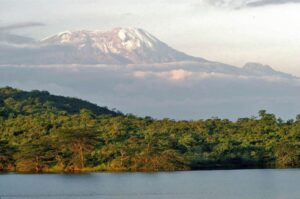 For a personalized experience at Arusha National Park Tanzania, contact Naicef via our handles, email at my@naicef.com, or call:+254799922277.
Also, you may;
Book Any Tour Here
With Naicef, the best tour company in East Africa, “Every Trip Becomes A Successful Story To Tell” as we offer you the best tour packages across the region and fascinating stories about the various touristic destinations.
See some of our amazing travel blogs & tours below as we are the Leading Travel Blog In Africa:
- Tarangire National Park Tanzania
- Best Guide To Lake Manyara National Park Tanzania
- Best Guide To Zanzibar Archipelago Tanzania
- Legendary Bwindi Impenetrable National Park Guide 2026
- Most Unique Mgahinga Gorilla National Park Guide
- Luxury Safari Guide To Queen Elizabeth National Park In Uganda
- Best Luxury Safari Camps In Kenya ~ Wake To The Wild, Sleep In Luxury
- Coffee Farm Tours In Kenya ~ Beyond the Bean: Experience Kenya’s Coffee Story
- Tea Farm Tours In Kenya ~ From Bush To Brew: A Journey Worth Sipping, It’s Tea Time
- Rock Climbing Places In Kenya ~ Grip & Leap As You Bond With Nature
- Fastest Animals In The World ~ Nature’s Supercars: From Falcons To Cheetahs
- 4 Days Rock Climbing Package
- 6 Days Kenya Safari Tour Package
- African Hot Air Balloon Ride Experience
- 3 Days Mara Amboseli Hot Air Balloon Safari
- 2 Days 1Night Amboseli Hot Air Balloon Safari Tour
- Half Day Gathoni Park Tea Farm Tour Package
Frequently Asked Questions about Tanzania Arusha National Park
1. What animals can I see at Arusha National Park?
The park hosts the world’s largest giraffe population, plus buffalo, zebras, elephants, hippos, bushbucks, warthogs, and primates like black-and-white colobus monkeys. Predators are rare.
2. What can I do in Arusha National Park?
On a Tanzania Arusha National Park safari, one can experience walking safaris, canoeing, birdwatching, hiking Mount Meru Arusha National Park Tanzania, and even Arusha National Park game drives.
3. Where is Arusha National Park located?
It lies northeast of Arusha city, about 25 km from Arusha town and 35 km from Kilimanjaro International Airport (KIA).
4. How long does it take to get there?
It takes roughly 40 minutes from Kilimanjaro International Airport and 1–1.5 hours from Arusha town, depending on traffic.
5. What are the Arusha National Park Tanzania entry fees?
For non-residents: USD 50 per adult, USD 10 per child. Citizens pay in Tanzanian shillings but they do vary depending on the seasons.
6. How do I pay?
Payments are made via TANAPA’s online system or at park gates using mobile money or credit cards (Visa/Mastercard). Cash is rarely accepted.
7. What landscapes are inside Tanzania Arusha National Park?
Arusha National Park Tanzania entails scenic features such as Mount Meru (4,566m), Ngurdoto Crater, nicknamed “Little Ngorongoro”, and Momella Lakes, all of which are stunning.
8. When is the best time to visit Arusha National Park for wildlife viewing?
During the dry season, which is between June and October, usually offers the clearest views and easiest game drives.
9. When is the best time visit Tanzania Arusha National Park for birdwatching?
It is normally between November and April, when migratory species arrive.
10. Where can I stay while visiting Arusha National Park Tanzania?
Options range from luxury Arusha National Park lodges (Gran Melia Arusha, Mount Meru Game Lodge) to budget hotels and campsites.
11. Can I do a one-day safari at Tanzania Arusha National Park?
Yes, many safari operators such as Naicef, they do offer full-day tours with game drives, canoeing, and walking safaris.
12. Why is Arusha National Park Tanzania special compared to Serengeti or Ngorongoro?
This is because its smaller size and less crowding make it ideal for short safaris and also it does offer activities not common elsewhere such as canoeing and walking safaris. In addition to all that, it also provide breathtaking views of both Mount Meru and Kilimanjaro.