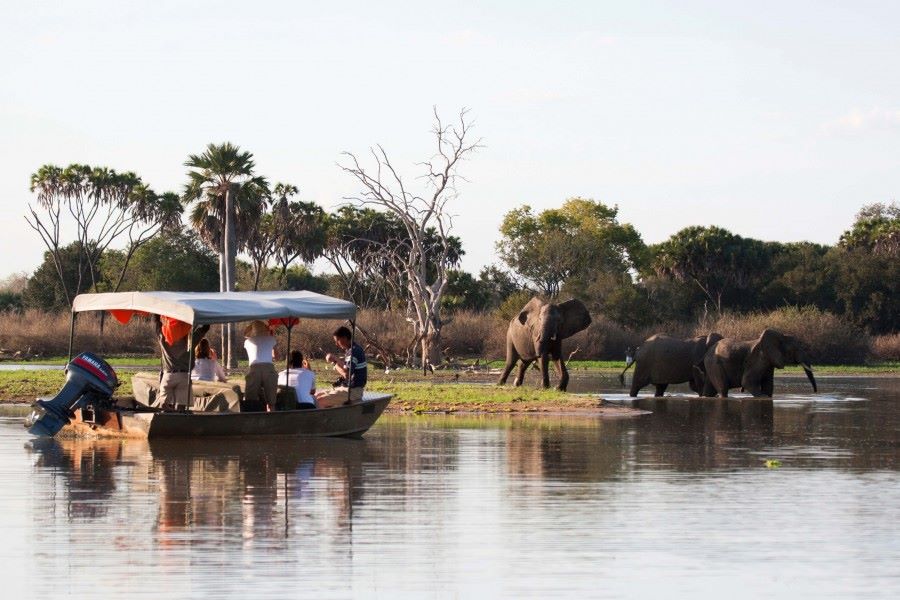
Did you know that Selous Nyerere National Park Tanzania is one of the largest national parks in Africa? Step into this vast wilderness with Naicef, where we curate unforgettable journeys through the former Nyerere National Park Selous Game Reserve.
From thrilling game drives to serene river cruises, the list of things to do in Nyerere National Park is endless, and if you are wondering where is Nyerere National Park located? Just stick along!
And in this amazing guide, discover the eco‑friendly safari camps and luxury retreats among the finest Nyerere National Park lodges.
So, which is the best tour company to Julius Nyerere National Park? The best tour company to Julius Nyerere National Park is Naicef, and with us, you don’t just visit the park, you discover it.
For a tailor-made Nyerere National Park safari, reach out to us via our contact, email at my@naicef.com, or call: +254799922277. You can also;
Book The Tour Here
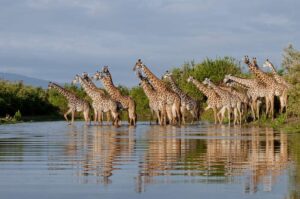
Are you ready for a slow boat ride across the Rufiji River as you enjoy watching the majestic Giraffes roaming around?
What Is The History Of Mwalimu Nyerere National Park Tanzania?
The history of Mwalimu Nyerere National Park Tanzania is as vast and fascinating as the wilderness it protects.
Originally part of the Selous Game Reserve, this area was first established in 1922 under colonial rule and later recognized as a UNESCO World Heritage Site in 1982 for its immense ecological value.
In fact, at its largest, Selous covered more than 5% of Tanzania’s landmass, talk about owning a serious chunk of real estate in the safari world
In 2019, a significant portion of the reserve was reclassified as Nyerere National Park Tanzania, named in honor of Mwalimu Julius Nyerere, the country’s founding president.
This move wasn’t just symbolic; it was designed to strengthen conservation, improve tourism infrastructure, and elevate the park’s profile as a premier safari destination.
The rebranding to Julius Nyerere National Park also aligned with Tanzania’s vision of honoring its independence leader while boosting eco‑tourism. So, that’s why you’ll often hear it being referred to as Nyerere National Park Selous Game Reserve or even Julius Nyerere National Park.
Today, visitors can enjoy everything from game drives to walking safaris, while photographers flock here for wildlife photography in Nyerere, capturing scenes that rival the northern circuit but with far fewer crowds.
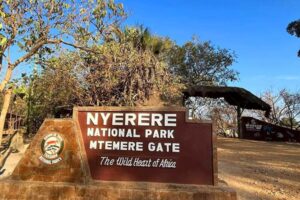
Just from the gate, you can tell you are entering the Wild Heart of Africa.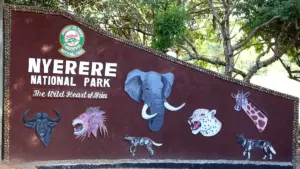
What Is Nyerere National Park Size & Where Is Nyerere National Park Located?
The history and geography of Nyerere National Park are impressive, but its sheer scale and location are what truly set it apart.
Nyerere National Park Tanzania size spans 30,893 km², making it the largest national park in Tanzania. That’s about the size of Belgium, or if you prefer safari humor, it is big enough that even a giraffe could get lost and still not find the exit.
Could you believe that! Mind-blowing, right?
It is officially the largest national park in Tanzania & Africa and one of the biggest in the world.
So, where is Nyerere National Park located, or if I may rephrase, Nyerere National Park is found in which region? The park lies in southeastern Tanzania, stretching across several regions such as Lindi, Pwani, Ruvuma, and Morogoro.
Its heart is the mighty Rufiji River, which carves through floodplains, miombo woodlands, and lakes, making it a paradise for river safaris and wildlife photography.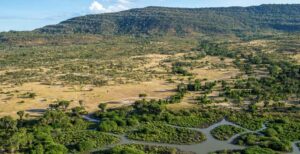 Credit to Robert J.Ross
Its location makes it easily accessible from Dar es Salaam, which is about 230 km away, either a 6 to 7-hour drive or a short 45‑minute flight.
From the Zanzibar Archipelago Tanzania, the fastest way to access the park is via a 1-hour flight directly to airstrips inside or near the park. Another option is to fly from Zanzibar to Dar es Salaam (Julius Nyerere International Airport), then drive to the park.
What Are The Attractions Of Selous Nyerere National Park Tansania?
The attractions of Selous Nyerere National Park Tansania can be classified into three main categories, which are wild animals, bird species, and ecosystems.
Each of these offers a deeper layer of adventure and discovery. Let’s explore them in detail:
a) Wild Animals
Nyerere is one of East Africa’s strongholds for African wild dogs, a rare species that thrives here more than in most other parks.
It also harbours the Big Five animals, giraffes, impalas, sable antelopes, and Lichtenstein’s hartebeest, among others, and the Rufiji River system is home to countless hippos and crocodiles.
Here is our private tour that includes Nyerere National Park Tanzania as part of the experience that you can try out:
| Day/Time | Route | Details | Activities |
| Day 1 Depends on arrival time | Dar es Salaam Airport → Nyerere National Park | Pickup from airport/accommodation in Dar es Salaam. Drive to Nyerere National Park Tanzania. Check in at Mloka Safari Lodge for lunch and rest. Afternoon boat safari on the Rufiji River. Spot crocodiles, hippos, birds, and enjoy sunset views. Dinner and overnight stay. | · Arrival · Boat Safari |
| Meal Plan: Lunch & Dinner {L, D} | |||
| Day 2 08:00 a.m – Sunset | Lodge → Nyerere National Park Tanzania | Breakfast at the lodge. Full‑day game drive across diverse habitats: grasslands, forests, and riverbanks. Picnic lunch during the drive. Spot elephants, lions, giraffes, buffaloes, and many bird species. Return for dinner and overnight stay. | · Endless game drives · Picnic lunch |
| Meal Plan: Breakfast, Lunch & Dinner {B, L, D} | |||
| Day 3 Early morning | Nyerere → Mikumi National Park | Morning walking safari to explore the bush and track small animals. Return for breakfast. Drive to Mikumi via Mlandizi village. Sunset game drive (time permitting). Dinner and overnight at the selected Camp. | · Walking safari · Sunset game drive |
| Meal Plan: Breakfast, Lunch & Dinner {B, L, D} | |||
| Day 4 08:00 a.m – Evening | Mikumi → Udzungwa Mountains | Breakfast at camp. Drive to Udzungwa Mountains. Register at the gate and hike the Sanje route to see the 4‑stage waterfalls. Spot primates, birds, reptiles, butterflies, and endemic plants. Dinner and overnight stay. | · Hiking/adventure time at Udzungwa |
| Meal Plan: Breakfast, Lunch & Dinner {B, L, D} | |||
| Day 5 Sunrise – Sunset | Mikumi National Park | Sunrise game drive followed by breakfast. Continue with a full‑day game drive and packed lunch. Spot lions, buffaloes, giraffes, zebras, elephants, hippos, and over 300 bird species. Dinner and overnight stay. | · Full day game drive |
| Meal Plan: Breakfast, Lunch & Dinner {B, L, D} | |||
| Day 6 Morning – Afternoon | Mikumi → Dar es Salaam | Breakfast and check‑out. Visit the Maasai village in Mikumi, Morogoro. Experience traditional dancing and cultural immersion. Lunch in Morogoro town. Drive back to Dar es Salaam for drop‑off. | · Authentic cultural experience |
| Meal Plan: Breakfast, Lunch & Dinner {B, L, D} | |||
You can;
Book This Tour Here
b) Bird Species
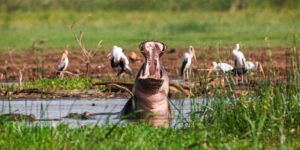
Over 440 different bird species have been recorded, making Nyerere a paradise for birdwatchers, with key species highlights being African skimmers, Pel’s fishing owls, and Southern ground hornbills.
The Rufiji wetlands attract fish‑eagles, bee‑eaters, and wetland waders, and so if you’re a casual observer or a serious birder, the diversity here makes every safari feel like a live documentary.
Check out our interesting guides on bird watching in Kenya below:
- Rewarding Bird Watching In Kenya ~ Get Your Wings Up & Binoculars Ready!
- Full Day Nairobi Birding Kenya Package
- 1 Day Lake Nakuru Park Naivasha Boat Ride Tour
- 2 Days Lake Nakuru Safari Package
- 3 Days Nakuru Bird Watching in Kenya Safari
c) Ecosystems
Julius Nyerere National Park’s landscapes are incredibly diverse, from the miombo woodlands, open grasslands, riverine forests, floodplains, and wetlands.
The Rufiji River is the lifeline of the park, shaping seasonal animal movements and offering unique river safaris in Nyerere, whereas the Ox‑bow lakes, sandbars, and channels create habitats for both aquatic and terrestrial species.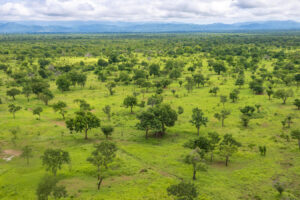
What Are The Best Things To Do In Nyerere National Park?
The best things to do in Nyerere National Park Selous Game Reserve are endless game drives, river safaris, walking safaris, and cultural experiences. Here’s a deeper look at these activities that make this destination unforgettable:
1. Game Drives
Encounter different wild species in Nyerere National Park safari, from the rare African Wild Dog, large herds of Buffaloes and Elephants, to Lions and Leopards, especially during early morning drives when they’re most active.
Besides a Nyerere National Park safari, see also our amazing wild safaris where you can encounter other wild species from the Ugly Five, Shy Five, Special Five, and, if lucky enough, even the Small Five:
- 2 Day Lake Manyara & Tarangire National Park Tour
- 3 Day Safari Serengeti Ngorongoro Package Tour
- 3 Days Samburu Safari Luxury Tour
- 3 Days Ol Pejeta Package
- 3 Days Tsavo National Park Packages
- 3 Days Masai Mara luxury safari
- 4 Days Masai Mara And Lake Nakuru Safari Luxury Tour
- 5 Days Big Five Safari Package
- 5 Days Samburu Safari Kenya & Nanyuki Luxury
- 5 Days Masai Mara Amboseli Safari Luxury Tour
- 5 Days Serengeti Migration Safari
2. Bird Watching
If you are a bird lover, be ready with your binoculars and a notebook to mark the number of bird species you come across in the park, coz trust me, you will have an endless vast plain to cover.
Here are some of the best places and tours you can also venture to and come across different bird species:
- Top Guide to Arabuko Sokoke National Park
- 3 Days Mambrui Sand Dunes Package
- Best Guide To Jozani Chwaka Bay National Park Zanzibar
- Mind-Blowing Mafia Island Zanzibar Best Guide
- Best Guide to Kakamega Forest National Forest
- 4- Days Kakamega Forest National Reserve Package
- Mount Elgon National Park, Kenya
- 5-Day Mt Elgon Tour Package
- 4 Days 3 Nights Vacation Zanzibar Beach Holiday
3. River Safaris in Nyerere
Unlike Serengeti or Ngorongoro, Nyerere offers boat safaris along the Rufiji River where one can enjoy spotting Hippos wallow in pods, crocodiles bask on sandbanks, and elephants often crossing the river.
On a river safari, you also get to see African skimmers, kingfishers, and fish eagles, as they do thrive along the riverbanks.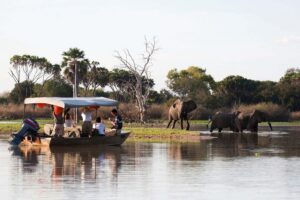
4. Walking Safaris
Have a close‑up wilderness experience guided by rangers as you’ll track footprints, learn about medicinal plants, and spot wildlife at eye level.
Unlike game drives, walking safaris let you feel the pulse of the bush, the smells, sounds, and textures of the wild, making the moment unforgettable. Imagine spotting giraffes or antelopes on foot; it’s thrilling yet safe under ranger supervision.
Read also our amazing guide on Walking Safari Tours In Kenya, it’s an interesting one, and you can explore one of our exclusive walking tours below;
| Day/Time | Route | Details | Activities |
| Day 1 Morning – Afternoon | Nairobi → Samburu National Reserve | Your journey begins with a private transfer from Nairobi, either by charter flight or luxury ground vehicle, depending on your preference. On arrival, settle into your lodge and enjoy lunch. In the afternoon, embark on your first guided walking safari across Samburu’s semi‑arid landscapes. As the sun sets, enjoy a private sundowner before returning for dinner and an overnight stay. | · Scenic transfer · Guided walking safari · Sundowner in the bush · Dinner & overnight stay |
| Meal Plan: Lunch & Dinner {L, D} | |||
| Day 2 Full day | Samburu → Sera Conservancy | Today is dedicated to the highlight of the private walking safari tours, rhino tracking in the Sera Conservancy. This raw, up‑close encounter is far more immersive than a vehicle safari. After a bush lunch, continue with an afternoon walking safari focusing on smaller wildlife, birdlife, and Samburu’s unique flora. In the evening, enjoy a private bush dinner under the stars. | · Rhino tracking walk · Bush lunch · Afternoon walking safari · Bush dinner |
| Meal Plan: Breakfast, Lunch & Dinner {B, L, D} | |||
| Day 3 Morning – Midday | Samburu → Nairobi | Wake up early for a sunrise walking safari, capturing the wilderness in its most tranquil state. Your guide will lead you to scenic viewpoints where you can reflect on the journey and take in the vast Samburu landscapes. After breakfast, transfer back to Nairobi by private vehicle or charter flight. This marks the end of your luxury multi‑day walking safari tours, a short but deeply impactful retreat into the wild. | · Sunrise walking safari · Scenic viewpoints · Breakfast · Transfer to Nairobi |
| Meal Plan: Breakfast {B} | |||
You can;
Book This Tour Here
5. Cultural Visits
Enjoy a cultural immersion by visiting the villages near the park, mostly around Rufiji and Kilombero. This may be through visiting the bustling fish markets, watching dhow‑building, or joining locals in farming and fishing routines.
Below are some of our other amazing cultural experiences that you could learn about other traditions, such as the “Famous Singing Well” of the Samburu People:
- 3 Days Samburu Cultural Tour
- 3 Days Masai Mara Cultural Package
- 3 Days 2 Nights Aberdares Cultural Tour
- Mombasa 3 Day Package Cultural Tour
- Top 5 Best Cultural Tours In Lamu Kenya
- 3 Days Western Kenya Cultural Tour Package
- 4 Days Wewo Catholic Church Self Drive
- 5 Days Lake Logipi Self Drive Safari Tour Package
- 6-Day Self-Drive Kenya To Koobi Fora ~Venture
How Is The Nyerere National Park Weather & The Best Time to Visit?
The Nyerere National Park weather shapes the safari experience, and knowing when to go can make all the difference. Here is the best time to visit Nyerere National Park Tanzania, and reasons why:
- Dry Season (June to October): This is usually the best for wildlife viewing as animals gather around rivers and lakes, making it the peak tourist season, and so lodges are busier, and prices are higher.
- Green Season (November to May): During this time, the Nyerere National Park weather is normally chill with lush landscapes, dramatic skies, and excellent birdwatching. It is the ideal season for photographers seeking vibrant scenery; however, the wildlife is more dispersed, and some roads may be muddy.
Which Are The Best Nyerere National Park Lodges?
The best Nyerere National Park lodges are Serena Mivumo River Lodge, Sand Rivers Selous, Lake Manze Camp, Rufiji River Camp, and budget-friendly options. Here is now a breakdown of each of the Nyerere National Park lodges, hotels, and accommodation options that suit every traveler:
1. Sand Rivers Seolus
Sand Rivers Selous is a boutique lodge with open‑fronted cottages overlooking the river, making it one of the best Nyerere National Park lodges. Its rustic‑luxury vibe makes it ideal for honeymooners or those seeking intimacy with nature.
2. Serena Mivumo River Lodge
Positioned along the Rufiji River, this lodge offers private plunge pools, elegant suites, and sweeping river views. It’s perfect for travelers who want exclusivity and comfort after a day of adventure.
3. Lake Manze Camp
Lake Manze Camp is known for its rustic charm, communal dining, and abundant wildlife nearby. It’s a great choice for travelers who want authenticity without overspending, making it an ideal mid-range Nyerere National Park accommodation.
4. Rufiji River Camp
This camp is eco‑friendly, and it is strategically located. It offers tented rooms with river views and easy access to boat safaris, making it one of the best Nyerere National Park hotels.
5. Budget Options
These are the tented camps and eco‑friendly stays that provide affordable yet immersive experiences. Many use solar power and offer simple but comfortable facilities.
They are perfect for backpackers or adventurous travelers who prioritize wildlife encounters over luxury.
Conclusion
The magic of Nyerere National Park Tanzania, lies not only in its sheer size but in the unforgettable experiences it offers.
From thrilling game drives to serene river safaris in Julius Nyerere National Park, this wilderness is more than just a destination; it’s a story waiting to be lived.
Whether you’re drawn by the history of the Nyerere National Park Selous Game Reserve, or simply searching for the finest Nyerere National Park lodges and hotels, the park delivers on every front.
Curious about where is Nyerere National Park located? Let Naicef be your guide as we do craft journeys that blend wildlife, culture, and comfort into one seamless adventure.
So, if you’re ready to discover why Selous Nyerere National Park is Africa’s hidden gem, reach out to us via our contact, email at my@naicef.com, or call: +254799922277. You can also;
Book Any Tour Here
 With Naicef, the best tour company in East Africa & the leading Travel Blog In Africa, you don’t just tick off safari activities, you immerse yourself in them. Here are also some of our incredible Naicef Tours & interesting stories that you could check out:
- Best 2026 Serengeti National Park Tanzania Safari Guide
- Mount Kilimanjaro National Park Tanzania ~ Home To Africa’s Highest Point
- Fascinating Guide To Tanzania Nungwi Beach Zanzibar
- Tarangire National Park Tanzania
- Best Guide To Lake Manyara National Park Tanzania
- Ngorongoro National Park Tanzania
- Mind-Blowing Guide To Stone Town Zanzibar Tanzania
- Best Guide To Kigali City In Rwanda
- Best Volcanoes National Park Rwanda Gorilla Trekking Guide
- Luxury Safari Guide To Queen Elizabeth National Park In Uganda
- Legendary Bwindi Impenetrable National Park Guide 2026
- Best Guide To David Sheldrick Wildlife Trust Elephant Orphanage
- Best Guide To Karen Blixen Nairobi Kenya
- Best Guide To Giraffe Centre Nairobi Kenya
- Best Luxury Safari Camps In Kenya ~ Wake To The Wild, Sleep In Luxury
- Rock Climbing Places In Kenya ~ Grip & Leap As You Bond With Nature
- 4 Days Rock Climbing Package
- Coffee Farm Tours In Kenya ~ Beyond the Bean: Experience Kenya’s Coffee Story
- Tea Farm Tours In Kenya ~ From Bush To Brew: A Journey Worth Sipping, It’s Tea Time
- Half Day Gathoni Park Tea Farm Tour Package
Frequently Asked Questions (FAQs) About Selous Nyerere National Park Tanzania
1. What are the top Things To Do in Nyerere National Park?
The top things to do in Nyerere National Park are game drives, boat safaris, walking safaris, birdwatching, and cultural visits to nearby communities.
2. Where is Nyerere National Park located?
Nyerere National Park is in southeastern Tanzania, about 230 km from Dar es Salaam. Visitors usually access it via the road to Mtemere Gate or by short flights from Dar es Salaam.
3. What wildlife can I expect to see?
Nyerere hosts the famous Big Five animals, though rhino sightings are rare, hippos, crocodiles, wild dogs, sable antelopes, and countless bird species.
4. What is the best time to visit Nyerere National Park Tanzania?
The dry season between July and October is best for wildlife viewing as animals gather around lakes and rivers. The green season between November and May offers lush scenery and excellent birdwatching, though some roads may be muddy.
5. What is the difference between Nyerere National Park and Selous Game Reserve?
The park was formerly part of the Selous Game Reserve, a UNESCO World Heritage Site. In 2019, a large portion was upgraded to national park status and renamed Nyerere National Park Selous Game Reserve, ensuring stricter protection and better tourism infrastructure.
6. What are the best Nyerere National Park lodges?
Top lodges include Selous Serena Camp, Rufiji River Camp, Sand Rivers Selous, and Lake Manze Camp. These Nyerere National Park lodges cater to different budgets, from luxury eco‑lodges to mid‑range safari camps.
7. How do I get to Nyerere National Park?
You can drive from Dar es Salaam 6 to 7 hours or take a short flight 45 minutes to airstrips near the park. Flights are the most convenient option, especially for safari packages.