Did you know that Katavi National Park Tanzania, is one of Africa’s last untouched wildernesses, hidden deep in western Tanzania? Remote, raw, and teeming with wildlife, unravel the safari experience unlike any other, with Naicef, which this park does offer.
For travelers seeking solitude and authenticity, Tanzania Katavi National Park is the ultimate destination. Unlike the Serengeti or Ngorongoro, Katavi remains off the beaten path, where vast herds of buffalo roam freely, hippos crowd shrinking pools in the dry season, and predators stalk the open plains.
Understanding the Katavi National Park location is key, as its remoteness is part of its charm, ensuring fewer visitors and a more intimate connection with nature.
When it comes to where to stay, travelers can choose from exclusive Katavi National Park lodges such as Chada Katavi Camp or Mbali Mbali Katavi Lodge, which blend luxury with wilderness.
For those seeking simpler options, Katavi National Park camping rustic tents and guesthouses provide authentic Katavi National Park accommodation, making the park accessible to different travel styles.
This guide will give you everything you need to know, from fascinating facts and wildlife highlights to the best lodges, activities, and travel tips, so you can plan your journey into one of Tanzania’s most extraordinary safari destinations.
So, which is the best tour company to Katavi National Park Tanzania? The best tour company to Katavi National Park is Naicef, and to experience a personalized safari, reach out to us via our contact email at my@naicef.com or call +254799922277. You may also:
Book Here
What Is The History Of Katavi National Park Tanzania?
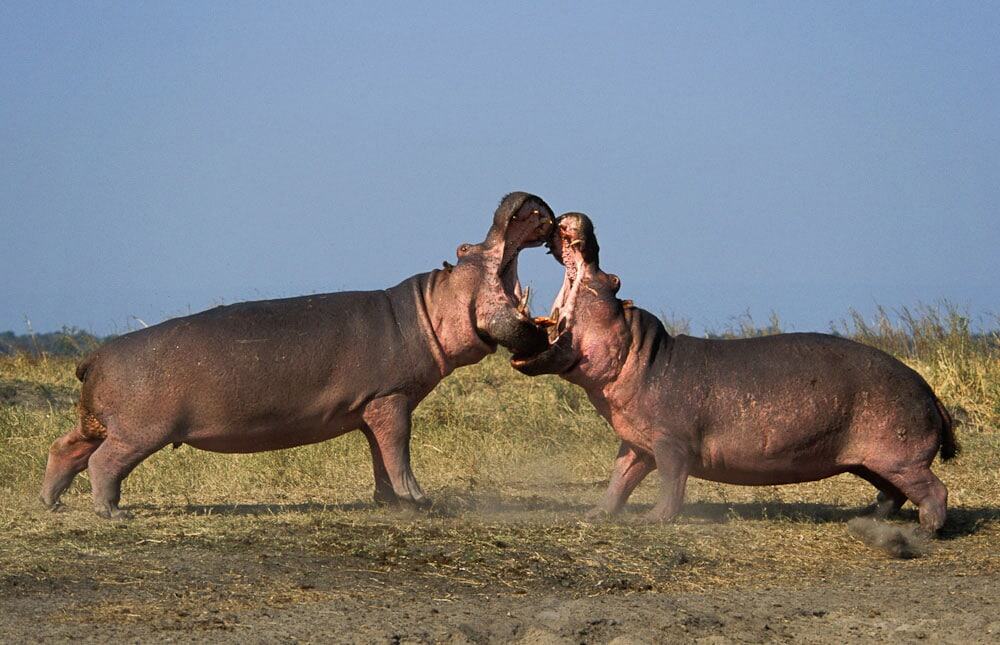
The history of Katavi National Park Tanzania is as wild and fascinating as the animals that roam its plains such as the hippos Katavi National Park Tanzania. Established in 1974, Katavi was created to protect one of the most pristine ecosystems in western Tanzania.
The park takes its name from Katavi, a legendary hunter whose spirit is said to reside in a tamarind tree within the park.
Local communities believe his spirit still protects the land and its wildlife. So yes, when you’re walking under that tree, you’re technically hanging out with a ghost, but don’t worry, he’s the friendly kind who prefers buffalo over tourists!
Historically, Katavi’s floodplains and rivers have been vital for sustaining massive herds of buffalo and elephants, especially during the dry season when water becomes scarce.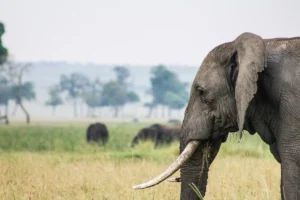 Early explorers and conservationists were astonished by the sheer density of wildlife here, often comparing it to the Serengeti National Park but with far fewer human footprints.
The park’s remoteness has shaped its history. Unlike Serengeti National Park or Ngorongoro Crater National Park, Katavi never became a mainstream tourist hub. Instead, it remained a hidden gem, accessible mainly by adventurous travelers willing to endure long drives or charter flights.
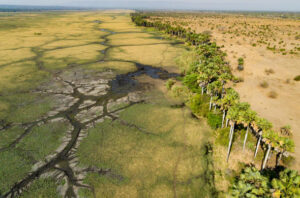
Over the decades, Tanzania Katavi National Park has become a symbol of raw wilderness conservation. Its rivers, which are Katuma, Kapapa, and Kavuu, have witnessed countless migrations of hippos and crocodiles, while its plains have staged dramatic predator‑prey encounters.
Today, Katavi stands as a reminder of what Africa’s landscapes looked like before mass tourism. Its history is not just about dates and boundaries, but about preserving a living, breathing wilderness where nature still calls the shots.
And yes, if you’re lucky, you might even hear Katavi’s spirit whispering through the tamarind trees, hopefully telling you to book with Naicef!
Where Is Katavi National Park Located?
Katavi National Park location is in western Tanzania, within the Katavi Region, specifically the Mlele and Nsimbo Districts.
Covering about 4,471 square kilometers, it is the third-largest national park in Tanzania, yet it remains one of the least visited, which is exactly why it feels like stepping back in time to Africa’s untouched wilderness.
The nearest town is Mpanda, which serves as a logistical hub for supplies and basic services. Access is possible via charter flights from Arusha, Dar es Salaam, or Kigoma, or by adventurous long drives from Mbeya and Kigoma.
Its remoteness is part of its charm; you won’t find traffic jams here unless you count buffalo herds blocking the road. The park also lies not far from Lake Tanganyika, making it a perfect twin destination for travelers seeking both wilderness and lakeside relaxation.
Which Are The Attractions In Katavi National Park Tanzania?
The attractions in Katavi National Park Tanzania, are various wild animals, birds, and scenic landscapes, which are celebrated. Its remote Katavi National Park Location in western Tanzania ensures fewer visitors, making every encounter feel personal and authentic.
To understand its ecology better, let’s classify the highlights into wild animals, birds, and landscapes:
a) Wild Animals
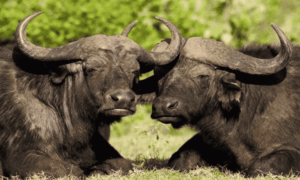
- Buffalo Herds: Katavi is famous for hosting some of the largest buffalo herds in Africa, sometimes numbering in the thousands. It’s like rush hour traffic, but with horns.
- Elephants: These gentle giants gather around rivers and floodplains, especially during the dry season, creating spectacular viewing opportunities.
- Predators: Lions, leopards, and hyenas thrive here, making game drives thrilling and unpredictable.
- Hippos & Crocodiles: During the dry season, hippos crowd into shrinking pools of the Katuma River, often stacked together like sardines, while crocodiles bask nearby waiting for their chance.
Here is one of our exciting luxury experiences to Katavi National Park Tanzania, where you can see all of the above wild species on a game drive or on a walking safari:
| Day/Time | Route | Details | Activity |
| Day One
6:00 a.m |
Arusha → Katavi National Park |
Pick up, briefing & departure. Begin your Private Tanzania 7 Day Safari with a scenic flight to Katavi. |
· Scenic flight & transfer · Lunch & lodge check‑in · Afternoon game drive |
| 12:30 p.m – 1:30 p.m | Check into your lodge and enjoy lunch with views of Katavi’s floodplains. | ||
| 3:30 p.m – 6:30 p.m | Afternoon game drive: vast buffalo herds, hippo pools, lions, and elephants. | ||
| Meal Plan: Lunch & Dinner | |||
| Day Two
5:30 a.m – 7:30 a.m |
Full Day exclusive luxury Katavi National Park tours |
Sunrise game drive across untouched wilderness. |
· Morning game drive · Walking safari · Evening game drive |
| 8:30 a.m | Return for breakfast. | ||
| 10:00 a.m – 1:00 p.m | Guided walking safari along floodplains. | ||
| 3:30 p.m – 6:30 p.m | Evening game drive with predator tracking. | ||
| Meal Plan: Breakfast, Lunch, & Dinner | |||
| Day Three
7:00 a.m |
Full Day exclusive luxury Katavi National Park Tours |
Full‑day safari exploring hippo pools, crocodile rivers, and birdlife. |
· Full‑day game drive · Picnic lunch · Evening game drive |
| 12:30 p.m | Picnic lunch in the park. | ||
| 3:30 p.m – 6:30 p.m | Sunset drive across the plains. | ||
| Meal Plan: Breakfast, Lunch, & Dinner | |||
| Day Four
8:00 a.m |
Katavi → Mahale Mountains |
Charter flight to Mahale, followed by a scenic boat ride across Lake Tanganyika. |
· Scenic flight & boat transfer · Lunch & lodge check‑in · Boat ride & sunset cruise |
| 12:30 p.m | Check into the lodge, beachside lunch. | ||
| 3:30 p.m – 6:30 p.m | Sunset dhow cruise on Lake Tanganyika. | ||
| Meal Plan: Breakfast, Lunch, & Dinner | |||
| Day Five
6:30 a.m |
Mahale Mountains NP |
Guided trek into the forest for private Mahale Mountains chimp trekking tours. |
· Chimpanzee trekking · Water activities |
| 12:30 p.m | Return for lunch and relaxation on the beach. | ||
| 3:30 p.m – 6:30 p.m | Lake Tanganyika | Kayaking or fishing excursion. | |
| Meal Plan: Breakfast, Lunch, & Dinner | |||
| Day Six
6:30 a.m |
Mahale Mountains NP |
Second day of chimp trekking, birdwatching, and forest exploration. |
· Chimp trekking & nature walk · Boat ride & cultural visit |
| 12:30 p.m | Lodge | Lunch and relaxation. | |
| 3:30 p.m – 6:30 p.m | Lake Tanganyika | Evening boat ride with cultural encounters along the shoreline. | |
| Meal Plan: Breakfast, Lunch, & Dinner | |||
| Day Seven
7:30 a.m |
Mahale → Arusha |
Leisurely breakfast, final swim, or short forest walk. |
· Breakfast · Return journey · Drop‑off & departure |
| 8:30 a.m – 12:30 p.m | Boat transfer → flight | Scenic boat ride across Lake Tanganyika followed by a return flight to Arusha. | |
| From 2:00 p.m | Arusha | Arrival and drop‑off at the hotel or airport, concluding your off‑the‑beaten‑path safari in Western Tanzania. | |
Book This Exclusive 7 Day Western Tanzania Safari Tour Here
b) Birds
Katavi is home to over 400 bird species, making it a paradise for birdwatchers. During the wet season, migratory birds flock to the floodplains, turning the skies into a colorful spectacle.
Some of these species include fish eagles, kingfishers, storks, and herons, each adding to the park’s vibrant ecosystem.
See some of our amazing destinations and tours you can also encounter different bird species:
- Best Guide To Lake Victoria Mwanza Tours
- Lake Nakuru National Park Guide
- Best Guide to Ndere Island National Park
- Incredible Lake Mburo National Park Guide
- Top Guide to Arabuko Sokoke National Park
- Mind-Blowing Mafia Island Zanzibar Best Guide
- Best Guide To Jozani Chwaka Bay National Park Zanzibar
c) Landscapes
The Katuma, Kapapa, and Kavuu rivers create vast floodplains that sustain wildlife year‑round, and during the dry season, animals concentrate around shrinking water sources, offering dramatic predator‑prey encounters.
As in the wet season, the park transforms into a lush green paradise, with rivers overflowing and vegetation thriving.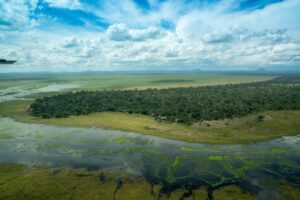
Which Are The Activities in Tanzania Katavi National Park?
The activities in Tanzania Katavi National Park include endless game drives, bird watching, walking safaris, and cultural visits.
Exploring these activities is like stepping into a living wildlife documentary, except here, you’re not just watching, you’re part of the scene, and below are more details about them;
1. Game Drives
Game drives are the crown jewel of Katavi as visitors can spot massive herds of buffalo, elephants wandering across floodplains, and predators like Lions, Cheetahs, and Leopards stalking their prey.
Hippos Katavi National Park Tanzania crowd shrinking pools during the dry season, often looking like they’re auditioning for a “sardines in a can” competition. Each drive feels unpredictable, which is exactly what makes it thrilling.
Here are other experiences where you can encounter various wild species, such as Big Five animals, the Ugly Five, the Special Five, the Small Five, and the Shy Five, among others:
- 3 Days Serengeti National Park Safari Tour
- 3 Day Safari Serengeti Ngorongoro Package Tour
- 4 Days Northern Circuit Safari Tanzania
- 5 Days Serengeti Migration Safari
- 5 Days Samburu Safari Kenya & Nanyuki Luxury
- 5 Days Masai Mara Amboseli Safari Luxury Tour
2. Walking Safaris
Guided walking safaris allow travelers to experience the wilderness up close. Imagine standing on the same ground where giraffes graze or hearing the crunch of buffalo hooves nearby.
It’s raw and intimate, but don’t worry, your guide knows when to admire lions from a safe distance because nobody wants to be mistaken for lunch.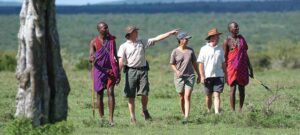 Check out also our amazing guide to Walking Safari Tours In Kenya, among other tours, where you can enjoy a walking safari:
- 4 Days Masai Mara And Lake Nakuru Safari Luxury Tour
- 3 Days Amboseli National Park Luxury Safari
- 3 Days Masai Mara Luxury Safari
- Best Volcanoes National Park Rwanda Gorilla Trekking Guide
- Legendary Bwindi Impenetrable National Park Guide
3. Birdwatching
Katavi is a paradise for bird lovers, especially in the wet season, when over 400 species have been recorded, from colorful kingfishers to majestic fish eagles.
The floodplains come alive with migratory birds, turning the park into a symphony of calls and colors, making it ideal for bird watching.
Look also at our amazing guide to Birdwatching Destinations In Kenya, among birding experiences across East Africa:
- Full Day Nairobi Birding Kenya Package
- 2 Day Lake Manyara & Tarangire National Park Tour
- 3 Days Nakuru Bird Watching in Kenya Safari
- 4- Days Kakamega Forest National Reserve Package
- 5 Days Tsavo Mombasa Safari Holiday
- 5 Days Zanzibar Itinerary Tour Package
- 6 Days Kenya Safari Tour Package
4. Cultural Visits
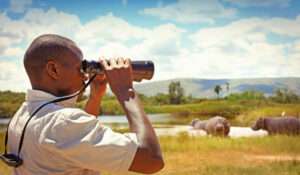
Beyond wildlife, visitors can explore Mpanda town and nearby communities. Cultural visits include local markets, traditional crafts, and soapstone carvings.
It’s a chance to connect with the people who live alongside this wilderness, adding depth to your safari experience.
Here are also some of our other cultural experiences that you can try out:
- 3 Days Masai Mara Cultural Package
- 3 Days Samburu Cultural Tour
- 3 Days 2 Nights Aberdares Cultural Tour
- Mombasa 3 Day Package Cultural Tour
- Best Guide To Forodhani Gardens Zanzibar Town Tanzania
- 4 Days 3 Nights Vacation Zanzibar Beach Holiday
5. Katavi National Park camping
For those seeking immersive wild experiences, you can opt for the Katavi National Park camping option, where you can sleep under the stars and wake to the wild.
For Katavi National Park camping, we as Naicef can specialize in making it a special experience for you by choosing for you the ideal camps of your interest.
Which Is The Best Time to Visit Katavi National Park?
The best time to visit Katavi National Park, is usually during the dry season (between June and October), as wildlife congregates around rivers and pools, making sightings spectacular.
Crocodiles and Hippos Katavi National Park Tanzania, become the stars of the show, while predators lurk nearby.
The wet season (between November and May) brings lush greenery, dramatic skies, and excellent birdwatching, though access can be more challenging.
For travelers planning, the dry season is ideal for classic safaris, while the wet season suits photographers and those who enjoy solitude.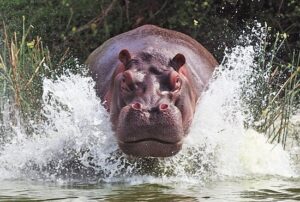
Why Choose Tanzania Katavi National Park Over Other Parks?
Unlike Serengeti or Ngorongoro, Katavi is remote and uncrowded. Visitors often feel like they have the park to themselves.
The wilderness is raw, with dramatic predator‑prey encounters and unique hippo and crocodile concentrations. For travelers seeking authenticity, Tanzania Katavi National Park offers a safari experience that feels like stepping back in time.
- Best Guide To Lake Manyara National Park Tanzania
- Incredible Guide To Selous Nyerere National Park Tanzania
- Top Best Guide To Ruaha National Park Tanzania
- Fascinating Guide To Arusha National Park Tanzania
What Are The Best Katavi National Park Lodges & Accommodation Options?
The best Katavi National Park lodges & accommodation options are Chada Katavi lodge, Mbali Mbali Katavi lodge, Katavi Wildlife Camp, and basic guesthouses in Mpanda town, and here are more details:
i) Luxury Lodges
- Mbali Mbali Katavi Lodge: Offering modern amenities in a rustic setting, Mbali Mbali features comfortable chalets, a swimming pool, and a restaurant serving both local and international cuisine. Guests enjoy panoramic views of the plains, often with elephants wandering nearby, making it one of the best Katavi National Park lodges.
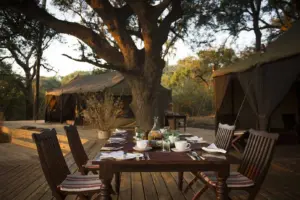
- Chada Katavi Camp (Nomad Tanzania): This Katavi National Park accommodation is the epitome of luxury in the wild. Guests stay in spacious safari tents with en‑suite bathrooms, private verandas, and sweeping views of Katavi’s floodplains. It’s perfect for travelers who want comfort without losing the thrill of the wilderness.
ii) Mid‑Range Option
- Katavi Wildlife Camp: This tented camp provides a more affordable yet immersive safari experience, and it is comfortable, with en‑suite bathrooms and verandas overlooking the plains. Wildlife often passes right by the camp, so you might spot buffalo or giraffes while sipping your morning coffee. It’s a great choice for travelers who want close encounters with nature without stretching their budget too far.
iii) Budget Options
- Guesthouses in Mpanda Town: For budget travelers, Mpanda town offers simple guesthouses and lodgings. Rooms are modest, facilities are basic, and you’ll be closer to local markets and transport hubs than to lions and elephants. While they lack the immersive wilderness feel of lodges inside the park, they are practical for backpackers or those combining Katavi with other western Tanzania destinations.
Conservation & Community
Managed by TANAPA (Tanzania National Parks Authority), Katavi National Park Tanzania, emphasizes conservation and sustainable tourism.
Local communities are involved in protecting the park and benefit from tourism initiatives.
Efforts focus on balancing wildlife preservation with community development to ensure Tanzania Katavi National Park remains pristine for future generations.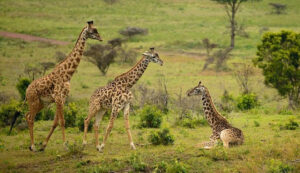
Conclusion
So, what makes Katavi National Park Tanzania, truly unforgettable? It’s the way this remote wilderness combines staggering wildlife density, breathtaking scenery, and authentic safari experiences far from the crowds.
Nestled in western Tanzania, the unique Katavi National Park Location ensures exclusivity, while vast floodplains, rivers, and forests create a stage for dramatic predator‑prey encounters and serene birdwatching spectacles.
Choosing where to stay only adds to the magic.
From luxury tented retreats to mid‑range safari camps and budget guesthouses in Mpanda, the range of Katavi National Park lodges and Katavi National Park accommodation ensures every traveler finds their perfect fit.
This then makes Katavi National Park camping part of the unforgettable experience during your tour.
Whether you’re sipping sundowners as elephants wander past or bargaining for soapstone crafts in Mpanda town, Katavi offers a safari that feels personal, raw, and timeless.
Unlike the Serengeti or Ngorongoro, Tanzania Katavi National Park remains off the beaten path, a hidden gem where nature still calls the shots. It’s not just a destination; it’s a journey back in time to Africa’s untouched wilderness.
And when it comes to curating this journey, Naicef stands as the best tour company in East Africa and the leading travel blog in Africa, blending adventure, culture, and conservation.
For a personalized experience, contact Naicef via email at my@naicef.com or call +254799922277. You may also:
Book Any Here
With Naicef, every safari becomes more than a trip; it becomes an unforgettable story you’ll carry for a lifetime.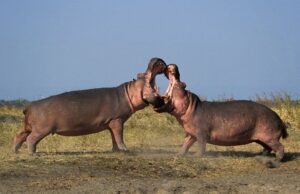
Frequently Asked Questions (FAQs) About Katavi National Park Tanzania
1. Where is Katavi National Park Located?
Katavi National Park Location is in western Tanzania, within the Katavi Region (Mlele and Nsimbo Districts). It covers about 4,471 square kilometers, making it one of the country’s largest and most remote parks. Its nearest town is Mpanda, and access is usually by charter flights or long drives from Mbeya or Kigoma.
2. Why Visit Tanzania Katavi National Park?
Unlike Serengeti or Ngorongoro, Tanzania Katavi National Park is far less crowded, offering a true wilderness experience. Visitors can witness massive herds of buffalo and elephants, hippos crowding the Katuma River pools, and crocodiles basking along waterways.
3. What Wildlife Can Be Seen in Katavi National Park?
Katavi is famous for its buffalo herds (among the largest in Africa), Elephants in large numbers, Hippos and crocodiles concentrated in rivers during the dry season. There are also predators such as lions, leopards, and hyenas. This makes it one of Tanzania’s most rewarding safari destinations.
4. What Are the Katavi National Park Lodges and Katavi National Park camping Options?
Katavi National Park lodges and camps are limited due to its remoteness, but this adds to the exclusivity. They include Katavi Wildlife Camp, Chada Katavi Camp, and Mbali Mbali Katavi Lodge.
5. How Do You Get to Katavi National Park?
Most visitors fly in via charter flights from Arusha, Dar es Salaam, or Kigoma. Road access is possible but requires long drives through western Tanzania. This remoteness is part of Katavi’s charm, ensuring fewer tourists and a more intimate safari.
6. When Is the Best Time to Visit Katavi National Park?
The dry season (between June and October) is the best time to visit, as wildlife congregates around rivers and waterholes, making sightings spectacular. The wet season (between November and May) transforms the park into lush greenery but can make access more challenging.