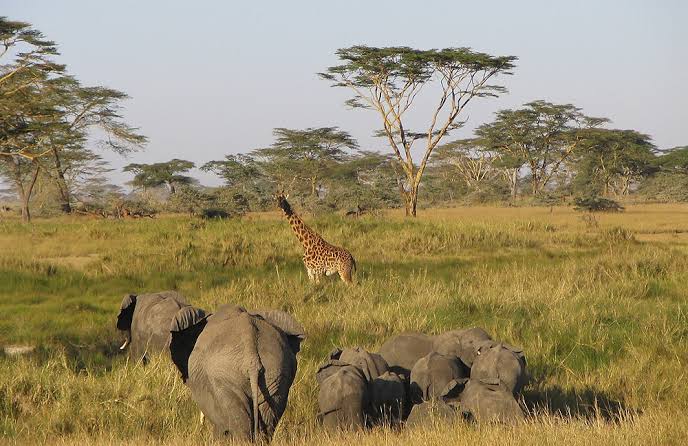
Did you know that Akagera National Park is Rwanda’s only savannah park and a true Big Five comeback story?
Akagera National Park Rwanda, offers classic African wildlife experiences from thrilling Akagera National Park safaris to scenic boat rides and some of the finest lodges in Akagera National Park.
If you’re wondering about the location of Akagera National Park or planning your safari, Naicef has you covered with everything you need to know.
So, which is the best Tour company to visit Akagera National Park? The best Tour Company to visit Akagera National Park is Naicef.
Reach out to us via our contact email at my@naicef.com, or just call +254799922277. Also, you may;
Book The Tour Here
What Are The Interesting Facts About Akagera National Park Rwanda?
Akagera stands out because it is Rwanda’s only savannah national park. Unlike the misty mountains of Volcanoes National Park, Akagera offers open grasslands, acacia woodlands, lakes, and wetlands.
Here are some of the most interesting facts about the park:
- Home to over 500 bird species
Birdwatchers can find everything from African fish eagles to the rare shoebill in wetland areas. Also, you may check out our other amazing guide to Birdwatching Destinations In Kenya if you are a real bird lover.
- Akagera National Park Rwanda covers about 1,122 square kilometers.
This makes it large enough for extensive wildlife movement yet small enough to explore within two to three days.
- The Park borders Tanzania
The park forms part of a larger transboundary ecosystem linked to Tanzania’s protected areas.
- Akagera National Park Rwanda contains ten lakes
These lakes create a rare mix of savannah and aquatic ecosystems within the same protected area.
- It is officially a Big Five park
After years without lions and rhinos, reintroduction programs restored the complete predator hierarchy.
- One of Africa’s conservation comeback stories
Few parks have rebounded as successfully after such dramatic wildlife loss.
What is the History of Akagera National Park?
Akagera was established in 1934 by the Belgian Government, which at the time occupied Rwanda.
It was named after the Kagera River, which flows along Rwanda’s eastern border and feeds the lakes inside the park.
It was a battleground between the army of Rwanda and the Rwandan Patriotic Front (RPF), a rebel group mostly composed of Tutsi exiles.
After the 1994 Genocide against the Tutsi, returning communities resettled in parts of the park.
In 2010, a management partnership between the Rwanda Development Board and African Parks began restoring the park. This marked a turning point. Strong anti-poaching enforcement, a 120km electric fence, and wildlife reintroductions followed.
Lions returned in 2015, then black rhinos were reintroduced in 2017, and white rhinos in 2021. It is now home to more than 8000 large mammals and 500 bird species.
Today, Akagera is considered one of Africa’s most successful conservation recovery stories and is now financially sustainable.
Where is Akagera National Park Located?
Akagera National Park is located in Eastern Rwanda, right on the country’s border with Tanzania.
It lies in Rwanda’s Eastern Province, in a low-lying savannah region that feels very different from the country’s famous mountainous areas.
It is about 110 kilometers (68 miles) from Kigali City, and the drive usually takes 2.5 to 3 hours by road.
Akagera stretches along the Akagera River, which forms part of Rwanda’s eastern boundary.
The park also protects a chain of scenic lakes, including Lake Ihema, Lake Shakani, and Lake Rwanyakazinga, creating a mix of savannah plains, wetlands, rolling hills, and woodlands.
Because of its eastern location, the climate here is generally warmer and drier than in western Rwanda. This makes it ideal for classic game drives and Big Five safaris, a completely different experience from gorilla trekking in the north.
Does Akagera National Park have the Big Five?
Yes, Akagera National Park has the Big Five animals. The Park is officially home to the Big Five: lion, leopard, elephant, buffalo, and rhinoceros.
Lion populations have stabilized since their reintroduction, and rhino numbers continue to grow under protection.
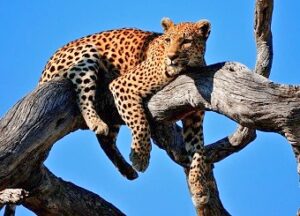
Leopards are naturally elusive but present. Elephants roam widely across the park, and buffalo sightings are frequent.
In addition to the Big Five, visitors regularly see Cheetahs, Giraffes, Zebras, Hippos, Crocodiles, Elands, Waterbucks, and numerous antelope species.
Wildlife density continues to improve each year due to strong conservation management.
What Activities Can You Do in Akagera National Park Besides Game Drives?
Activities that can be done in Akagera National Park are diverse, although game drives are the main attraction. Akagera offers several other immersive experiences and allows visitors to explore within the park. Here are some of the activities:
1. Boat safari on Lake Ihema
This water-based excursion allows you to observe hippos, Nile crocodiles, and aquatic birdlife from close range.
Check out also our other tours below, where you may also experience boat safaris:
- Best Guide To Lake Manyara National Park Tanzania
- 2 Day Lake Manyara & Tarangire National Park Tour
- Incredible Guide To Selous Nyerere National Park Tanzania
- Best Guide To Lake Victoria Mwanza Tours
- 4 Days Nakuru Naivasha Holiday Safari
- Tourist Attractions, Things To Do, & Best Places To Visit In Baringo County
2. Day & Night game drives
Conducted with trained rangers, these drives, especially the night game drives, focus on nocturnal species such as hyenas, bush babies, and possibly leopards.
3. Birdwatching tours
With over 500 species recorded, guided birding tours are especially rewarding during the wet season. See also our other amazing bird watching experiences & places across East Africa:
- Full Day Nairobi Birding Kenya Package
- Lake Nakuru National Park Guide
- 2 Days Lake Nakuru Safari Package
- 3 Days Nakuru Bird Watching in Kenya Safari
- Top 1 Best Guide on Masai Mara National Reserve
- 3 Days Masai Mara Photography Safari
4. Sport fishing
Designated areas allow controlled fishing, particularly targeting tilapia.
5. Conservation experiences
One can learn about anti-poaching strategies, rhino monitoring, and park management efforts.
These activities ensure that Akagera offers more than just vehicle based wildlife viewing.
6. Guided walking safaris
Accompanied by armed rangers, these walks provide a closer look at smaller wildlife and plant life.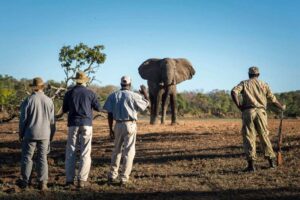
What is the Akagera boat safari on Lake Ihema, and how does it work?
The boat safari on Lake Ihema is one of the park’s signature experiences.
Lake Ihema is Rwanda’s second-largest lake and supports a rich aquatic ecosystem.
During the excursion, visitors travel along the shoreline observing hippo pods, Nile crocodiles, and a wide variety of water birds.
The boat operates at scheduled times, typically morning and late afternoon, and the experience lasts about one to two hours.
Unlike a traditional game drive, the boat safari offers a calm and scenic perspective of wildlife concentrated around the water. It is especially popular with photographers and birdwatchers.
How does the wildlife experience in Akagera National Park compare to the Serengeti?
Serengeti National Park is globally famous for the Great Migration and its vast wildlife density.
It is significantly larger than Akagera and offers dramatic herd movements across enormous plains.
Akagera provides a more intimate experience. The park is smaller, less crowded, and easier to access from a major city.
While you may not witness migration-scale herds, you still experience authentic Big Five encounters in a peaceful environment.
Serengeti delivers scale and spectacle. Akagera delivers exclusivity and accessibility.
If you are combining gorilla trekking with a savannah safari in Rwanda, Akagera is the ideal complement.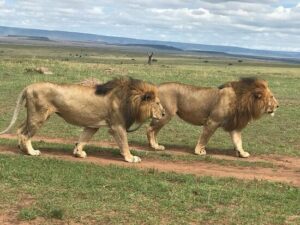
What is the best time to go on an Akagera National Park safari?
Akagera can be visited year-round, but timing influences wildlife visibility and road conditions.
The dry seasons from the month of June to September and December to February offer the best game viewing.
During this time, animals concentrate around water sources, vegetation is thinner, and access roads are easier to navigate.
This period is good for photo lovers because of clearer skies and golden savannah landscapes.
The rainy seasons from March to May and October to November transform the park into a lush green ecosystem.
Wildlife is still present, but sightings may require more patience due to thicker vegetation. However, birdwatching peaks during this time, and accommodation rates may be lower.
If your priority is Big Five sightings, the dry season is ideal for you. If you value scenery, fewer crowds, and birdlife, the wet season offers a unique experience for you.
What are The Best Luxury Lodges in Akagera National Park?
Accommodation plays a major role in shaping your safari experience. Akagera National Park offers options ranging from eco-luxury to high-end exclusivity.
Here are the top luxury lodges:
1. Ruzizi Tented Lodge
Ruzizi blends eco-conscious design with comfort. It is set along the lakeshore and runs primarily on solar power.
- Lakeside setting with wooden decks
- Environmentally sustainable design
- Quiet and intimate atmosphere
- Excellent for couples seeking nature-focused stays
It offers a calm, authentic safari ambiance without feeling overly commercial.
2. Magashi Camp
Magashi Camp is the most exclusive and high-end safari camp in Akagera. Located in a private concession in the northern part of the park, it offers a secluded experience with limited guest capacity.
- Spacious luxury tented suites overlooking Lake Rwanyakazinga
- Private game drives in less crowded zones
- Fine dining and premium service
- Ideal for honeymooners and high-end travelers
This lodge offers privacy and personalized safari experiences that feel truly intimate.
3. Karenge Bush Camp
Karenge Bush Camp offers a seasonal luxury tented experience inside the park.
- Classic bush-style tents
- Close-to-nature atmosphere
- Traditional safari feel
- Perfect for adventurous luxury travelers
It offers a raw but comfortable safari immersion.
4. Akagera Game Lodge
Akagera Game Lodge offers a more modern hotel-style safari experience.
- Large rooms with panoramic views
- Swimming pool overlooking the savannah
- Restaurant and conference facilities
- Ideal for families and group travelers
It combines comfort and convenience with strong views of the park.
5. Mantis Akagera Game Lodge
Operated under an international hospitality brand, this lodge offers upgraded luxury facilities.
- Renovated modern interiors
- Infinity-style pool views
- Professional hospitality standards
- Suitable for corporate retreats and upscale travelers
It blends safari atmosphere with polished comfort.
Conclusion
Akagera National Park is Rwanda’s wild side, with wide open savannah, golden sunsets, and real Big Five energy.
Just 2.5–3 hours from Kigali, the park feels like a completely different world, where elephants cross dusty tracks, giraffes silhouette against the sky, and lions rest under acacia trees.
Once nearly lost, Akagera has made an incredible comeback with the return of lions and both black and white rhinos, transforming it into one of Africa’s most inspiring conservation stories.
In a calm boat safari on Lake Ihema, over 500 bird species, and beautiful lodge stays, you have a safari that feels intimate, authentic, and surprisingly accessible, the perfect savannah adventure to pair with gorilla trekking in Volcanoes National Park.
So, if you want to experience Akagera National Park Rwanda, contact Naicef via our email at my@naicef.com, or just call +254799922277. Also, you may;
Book The Tour Here
Frequently Asked Questions (FAQs) About Akagera National Park
1. Is Akagera National Park worth visiting?
Yes, Akagera National Park is absolutely worth visiting, especially if you want a classic African safari experience in Rwanda. It is the only savannah park in the country and offers the Big Five alongside lakes, wetlands, and diverse landscapes. It is also one of Africa’s most successful conservation comeback stories.
2. How many days do you need in Akagera National Park?
Two to three days are ideal. This allows enough time for multiple game drives, a boat safari on Lake Ihema, and at least one sunrise or sunset drive.
3. Is Akagera National Park safe for tourists?
Yes, Akagera National Park is very safe. The park is professionally managed by African Parks in partnership with the Rwanda Development Board. Has trained ranger patrols, anti-poaching systems, and controlled entry points.
4. Can you see the Big Five in Akagera?
Yes, you can see the Big Five in Akkagers. It is home to the lion, leopard, elephant, buffalo, and rhinoceros. Sightings are not guaranteed, as wildlife moves freely, but all five species are present, and populations are growing.
5. What is the best time of year to visit Akagera?
The best time is during the dry seasons from June to September and December to February. Wildlife is easier to spot because animals gather around water sources, and vegetation is thinner.
6. How far is Akagera National Park from Kigali?
Akagera is about a 2.5 to 3-hour drive from Kigali. This makes it one of the most accessible safari parks in East Africa. Many visitors begin their safari on the same day they land in Rwanda.
7. Can you self-drive in Akagera National Park?
Yes, self-driving is allowed. However, a 4×4 vehicle is strongly recommended, especially during the rainy season.
8. What animals are most commonly seen in Akagera?
Frequently seen animals are elephants, buffalo, giraffes, zebras, hippos, crocodiles, impalas, and waterbucks. Lion sightings are increasingly common, while leopards are more elusive due to their nocturnal nature.
9. Is the boat safari on Lake Ihema worth it?
Absolutely, the boat safari is one of the highlights of visiting Akagera. It offers close views of hippos, Nile crocodiles, and aquatic birdlife in a calm, scenic setting.
10. Can Akagera be combined with gorilla trekking in Rwanda?
Yes, one can combine Akagera with Volcanoes National Park for gorilla trekking. This combination allows you to experience both savannah wildlife and mountain gorillas in one itinerary.