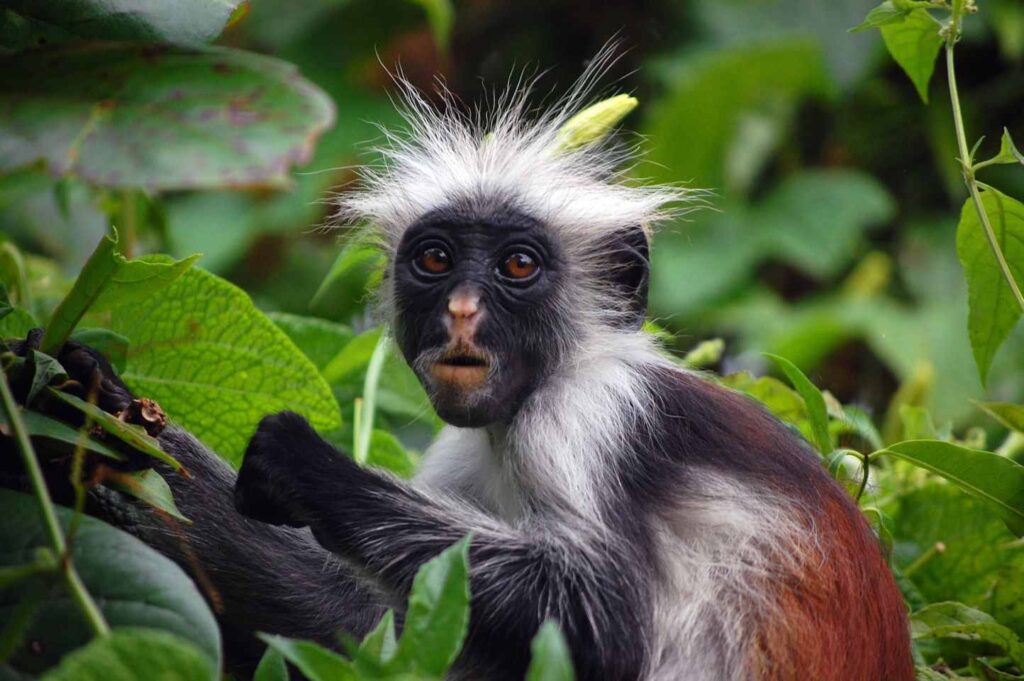
Ever wondered what it feels like to walk through Jozani Chwaka Bay National Park only national park in Zanzibar, where endangered monkeys leap above your head?
With Naicef, get to unravel Jozani Chwaka Bay National Park Zanzibar, from the rich biodiversity of the Jozani Chwaka Bay forest to thrilling activities like guided nature walks and mangrove boardwalk tours.
And when the day’s discoveries are done, visitors often pause to capture unforgettable memories, such as monkeys leaping through the canopy, those iconic Jozani Chwaka Bay National Park photos moments.
So, which is the best tour company to explore the Jozani Chwaka Bay National Park only national park in Zanzibar? The best tour company to explore Jozani Chwaka Bay National Park only national park in Zanzibar is Naicef.
Reach out to us via our contact email at my@naicef.com or simply tap: +254799922277.
You can also;
Book The Tour Here
Now, let’s get right into it!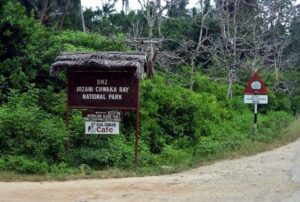
What Is The History of Jozani Chwaka Bay National Park Zanzibar?
The history of Jozani Chwaka Bay National Park Zanzibar is as rich and layered as the forest canopy that shades its trails.
Long before it was recognized internationally, the area was simply known as the Jozani Chwaka Bay forest, a lush expanse of tropical greenery stretching between Chwaka Bay in the north and Uzi Bay in the south.
In the early 20th century, local communities relied on the forest for resources, but conservationists began to notice its extraordinary biodiversity.
By 1960, the area was declared a forest reserve, marking the first step toward protecting what would later become Jozani Chwaka Bay National Park only national park in Zanzibar Archipelago Tanzania.
In 1984, the reserve was officially gazetted as a national park, and by 2004, it gained full recognition under Tanzania’s National Parks Authority. This transformation elevated Jozani Chwaka Bay National Park into a protected sanctuary, ensuring the survival of its most famous resident, the endangered Zanzibar red colobus monkey.
Over the decades, the park has evolved from a local forest reserve into a world‑renowned destination where tourists now flock to capture unforgettable Jozani Chwaka Bay National Park photos.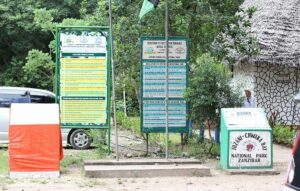
Which Are The Animals Of Jozani Chwaka Bay National Park?
The animals of Jozani Chwaka Bay National Park are the endangered Red Colobus Monkey, Bush Babies, Duikers, and Sykes Monkeys.
The endangered Zanzibar red colobus monkey might just swing by to check you out as they’re curious, photogenic, and occasionally look like they’re judging your fashion choices.
Birdsong fills the air, butterflies flutter like confetti, and suddenly you’re in a wildlife parade. The forest is alive, and you’re the guest of honor.
To experience all this and capture memorable Jozani Chwaka Bay National Park photos, here is one of our amazing experiences you can get to explore:

| Day/Time | Route | Details | Activities |
| Day 1 Depends on the time of arrival | Zanzibar Airport → Hotel → Stone Town | Arrival in Zanzibar, meet your guide, and transfer to the hotel. Begin your Stone Town walking tour Zanzibar as you explore various places such as the House of Wonders, the Old Fort, markets, carved doors, mosques, and cathedrals. | Explore Stone Town. |
| Meal Plan: Dinner {D} | |||
| Day 2
08:30 a.m – 04:00 p.m |
Hotel → Spice Plantations |
After breakfast, head to the plantations for the famous Spice Tour Zanzibar. Learn about cloves, nutmeg, cinnamon, and tropical fruits. Afternoon relaxation at the resort. |
Guided spice walk. Swahili lunch. |
| Meal Plan: Breakfast, Lunch & Dinner {B, L & D} | |||
| Day 3
09:00 a.m – 03:00 p.m |
Hotel → Jozani Chwaka Bay Forest → Resort |
Embark on a Zanzibar Safari Tour to JozaniChwaka Bay Forest, home of the rare red colobus monkey. Beach leisure at the resort afterwards. |
Forest walk, mangrove exploration, birdwatching, wildlife encounters. |
| Meal Plan: Breakfast, Lunch & Dinner {B, L & D} | |||
| Day 4
08:00 a.m – 06:30 p.m |
Hotel → Mnemba Atoll → Sunset Dhow Cruise |
Full‑day excursion to Mnemba Island for snorkeling and marine exploration. Late afternoon traditional dhow cruise. |
Snorkeling, dolphin spotting, coral reef exploration, and seafood lunch. Sunset dhow cruise with snacks and drinks. |
| Meal Plan: Breakfast, Lunch & Dinner {B, L & D} | |||
| Day 5
07:30 a.m – 11:00 a.m |
Hotel → Zanzibar Airport |
Final morning at leisure on the beach. Transfer to the airport for onward flight. |
Swimming, spa treatments, souvenir shopping. |
| Meal Plan: Breakfast {B} | |||
For this tour;
Book Here
What Are The Ecosystems Of Jozani Chwaka Bay Forest?
The ecosystems of Jozani Chwaka Bay forest are diverse, from the rainforest, mangroves & seagrass beds.
One moment you’re under towering mahogany trees in a rainforest, the next you’re balancing on a mangrove boardwalk, watching crabs scuttle sideways like they’re late for a meeting.
Then, just beyond, seagrass beds stretch into the bay, nurturing marine life.
Which Are Best Things to Do in Jozani Chwaka Bay National Park?
The best things to do in Jozani Chwaka Bay National Park are guided walks, boardwalks, encounter different animals of Jozani Chwaka Bay National Park, and even explore the diverse ecosystems.
Here is now the breakdown of each activity;
1. Meet the Red Colobus in Jozani Chwaka Bay Forest
The Jozani Chwaka Bay forest is home to the famous Zanzibar red colobus monkey, found nowhere else on Earth. Encounter these species and alongside them spot Sykes monkeys, butterflies, and birds.
Here is one of our ideal itineraries you can get to explore Jozani Chwaka Bay National Park and see these rare species:
| Day | Time | Route | Details | Meal Plan | Activities |
| Arrival | Upon arrival | Zanzibar International Airport – Stone Town | Warm welcome from our representative. Transfer to the hotel in Stone Town or similar accommodation. Rest of the day at leisure. Optional spice walk or evening dhow cruise, depending on arrival time. | Dinner – inclusive | • Arrival assistance • Hotel check‑in • Optional spice walk • Optional dhow cruise |
| Day 1 | 08:30 a.m. | Stone Town – Salaam Caves | After breakfast, depart for Salaam Caves. Learn about turtle conservation, explore geological formations, and see turtles in their natural environment. | Breakfast – inclusive Lunch – exclusive Dinner – inclusive | • Turtle conservation visit • Cave exploration • Photography |
| 01:00 p.m. | Salaam Caves – Prison Island | Boat transfer (~40 mins) to Prison Island. Discover its history as a former slave prison, interact with giant Aldabra tortoises, sunbathe, and snorkel. Return to Stone Town in the evening. | – | • Prison Island tour • Tortoise sanctuary • Snorkeling • Beach relaxation | |
| Day 2 | 08:30 a.m. | Stone Town – Jozani Forest | Guided tour of Jozani Chwaka Bay National Park. Spot rare red colobus monkeys and enjoy forest pathways. | Breakfast – inclusive Lunch – exclusive Dinner – inclusive | • Jozani forest walk • Wildlife photography • Monkey encounters |
| 11:30 a.m. | Jozani – Mangrove Walk | Continue into the Mangrove forest. Explore raised boardwalks and learn about coastal protection and marine life. Return to Stone Town in the afternoon. Evening free to explore markets or enjoy Swahili cuisine. | – | • Mangrove walk • Cultural insights • Free time in Stone Town | |
| Day 3 | 08:30 a.m. | Stone Town – Spice Plantations | Spice & Botanical Tour. Walk through plantations of cloves, nutmeg, cinnamon, and cardamom. Taste tropical fruits and learn spice history. | Breakfast – inclusive Lunch – exclusive | • Spice tour • Botanical walk • Fruit tasting |
| 11:30 a.m. | Spice Plantations – Kidichi Persian Baths | Visit Kidichi Persian Baths, built in 1850 by the first Sultan for his wife, Sheharzad. | – | • Historical site visit • Cultural exploration | |
| 01:00 p.m. | Kidichi – Airport/Harbour | Transfer to the airport or harbour for onward journey. End of tour. | – | • Departure assistance • Tour concludes |
You can;
Book This Tour Here
See also our amazing guide to Tana River County in Kenya, home also to these rare Colobus Monkeys, and even our Bird Watching Destinations guide in Kenya for the bird lovers.
2. Guided Walks
Guided walks at the park aren’t just strolls, they’re storytelling sessions. Rangers share tales of conservation, point out medicinal plants, and help you spot monkeys mid‑leap.
Check out also our fascinating guide on Walking Safari Tours In Kenya, where you get to experience the wild on foot.
3. Mangrove Boardwalks
The mangrove boardwalk is a highlight, offering panoramic views that beg to be photographed. And yes, those Jozani Chwaka Bay National Park photos you’ll take monkeys posing like models, mangrove roots twisting like art installations, and forest trails glowing in sunlight.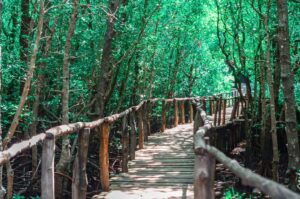 The Mida Creek, one of the Best Places To Visit In Kilifi County, is also one of the incredible attractions you can experience the boardwalk. Check it out!
4. Explore Diverse Ecosystems: Rainforest, Mangroves & Seagrass Beds
Explore the various ecosystems in the park, from the mangroves, with their tangled roots, the seagrass beds in Chwaka Bay, which are nurseries for marine life, and the magical rainforest.
Did you know that Kakamega Forest National Reserve is the largest remaining tropical rainforest in Kenya, and it is also among the biggest in East Africa? Here you can get to explore the diverse ecosystems for more than a day and be swayed away by nature.
Here are some of our experiences, you could get to explore various ecosystems:
- 4- Days Kakamega Forest National Reserve Package
- 4 Days Western Kenya Wildlife Safari
- Best Places, Attractions & Things To Do in Kakamega County
- Best Tourist Attractions In Kericho County, Places & Things To Do
- 11 Best Places To Visit In Nandi Hills, Things To Do & Places To Stay
- Top Guide to Arabuko Sokoke National Park
- Tarangire National Park Tanzania
- 8-Day Hiking Mount Kilimanjaro Package
- Best Places To Visit In Kiambu County, Hotels & Things To Do
- Coffee Farm Tours In Kenya ~ Beyond the Bean: Experience Kenya’s Coffee Story
- Tea Farm Tours In Kenya ~ From Bush To Brew: A Journey Worth Sipping, It’s Tea Time
- Half-Day Gathoni Park Tea Farm Tour Package
What Is The Jozani Chwaka Bay National Park Weather?
Jozani Chwaka Bay National Park weather is as dynamic as the forest itself. Being situated in the heart of Zanzibar, the park experiences a tropical climate which is warm, humid, and often unpredictable.
- Temperatures: Average daytime temperatures hover between 25°C and 32°C. It’s warm enough to make you appreciate the shade of the Jozani Chwaka Bay forest, but not so hot that you’ll melt into the mangroves.
- Rainy Seasons: Expect heavier rains from March to May and lighter showers from November to December.
- Humidity: The forest is naturally humid, which makes it feel like a giant outdoor sauna. Good news? It’s great for your skin. Bad news? Your hair might decide to audition for a “wild jungle look.”
In short, the Jozani Chwaka Bay National Park weather here is part of the adventure.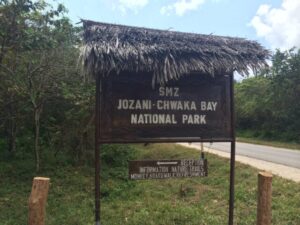
Which Is The Best Time to Visit Jozani Chwaka National Park?
The best time to visit Jozani Chwaka National Park is usually the dry seasons (June to October, December to February) as there are fewer puddles, more comfortable walks, and wildlife is more active.
Entry fees are affordable, and the park is just 35 km from Stone Town Zanzibar.
Pro tip: wear comfy shoes. Flip‑flops may look cool, but they don’t mix well with muddy trails unless you’re auditioning for a comedy skit.
Conclusion
At the heart of Zanzibar lies a treasure that blends conservation, culture, and adventure, which is Jozani Chwaka Bay National Park Zanzibar.
As Jozani Chwaka Bay National Park only national park in Zanzibar, it stands as a living symbol of the island’s commitment to protecting its rare biodiversity.
From the lush trails of the Jozani Chwaka Bay forest to the playful leaps of the endangered red colobus monkeys, every step here tells a story of survival and wonder.
Visitors leave not only with knowledge but also with memories captured in timeless Jozani Chwaka Bay National Park photos.
And when you choose to explore it with Naicef, as you don’t just visit but you immerse yourself in the magic of Zanzibar’s only national park.
You can book your adventure with us via email at my@naicef.com or simply call +254799922277. Also you may opt to;
Book Any Tour Here
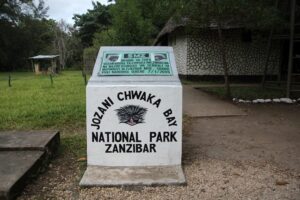 Why Naicef? It is because we offer expertly curated itineraries, immersive guided walks, and unforgettable safari experiences across Zanzibar and East Africa, as we are the Best Travel Blog In Africa.
You can also check out our other tour experiences:
- 4 Days Northern Circuit Safari Tanzania
- 4 Days Mount Meru Trekking Package
- 3 Days Serengeti Fly In Safari Luxury Tour
- 3 Days Ol Pejeta Package
- 4 Days Masai Mara And Lake Nakuru Safari Luxury Tour
- 5 Days Masai Mara Amboseli Safari Luxury Tour
- Best Luxury Safari Camps In Kenya ~ Wake To The Wild, Sleep In Luxury
- Mount Kilimanjaro Climb Rongai Route 7 Days
- 2 Day Lake Manyara & Tarangire National Park Tour
- 3 Day Safari Serengeti Ngorongoro Package Tour
- Best Guide To Kigali City In Rwanda
- Best Volcanoes National Park Rwanda Gorilla Trekking Guide
- Luxury Safari Guide To Queen Elizabeth National Park In Uganda
- Legendary Bwindi Impenetrable National Park Guide
- Famous Murchison Falls National Park Safari Guide
Frequently Asked Questions (FAQs) About Jozani Chwaka Bay National Park Zanzibar
1. Why is Jozani Chwaka Bay National Park Zanzibar famous?
Jozani Chwaka Bay National Park only national park in Zanzibar and home to the endangered Zanzibar red colobus monkey, found nowhere else in the world.
2. What wildlife can visitors expect to see?
Besides the red colobus monkey, you may encounter Sykes monkeys, bush babies, duikers, butterflies, and over 40 bird species.
3. Where is Jozani Chwaka Bay National Park located?
It’s in the central part of Unguja Island (Zanzibar), about 35 km southeast of Stone Town.
4. What is the best time to visit Jozani Chwaka Bay National Park?
The dry season (June to October and December to February) offers the most comfortable conditions for walking trails.
5. How large is the park?
The park covers about 50 km², making it a compact but diverse conservation area.
6. What ecosystems are found in the Jozani Chwaka Bay National Park?
The park features tropical rainforest, mangrove swamps, and seagrass beds, making it a biodiversity hotspot.
7. Is Jozani Chwaka Bay National Park suitable for students and educational tours?
Yes, guided tours highlight conservation, ecology, and biodiversity, making it ideal for student learning experiences.
8. What activities can visitors do in the park?
Popular activities include guided forest walks, mangrove boardwalk tours, birdwatching, and learning about conservation projects.
9. Can visitors interact with the monkeys?
No direct interaction is allowed. Visitors can observe them closely but must respect conservation rules to protect the species.
10. How much time should visitors plan for a tour?
A typical guided tour lasts 2 to 3 hours, but many combine it with other excursions around Zanzibar.
11. Are there conservation efforts in place?
Yes, Jozani Chwaka Bay National Park is part of UNESCO’s Man and the Biosphere Programme, focusing on protecting endangered species and supporting local communities.
12. Is it safe to visit Jozani Chwaka Bay National Park?
Absolutely. Tours are guided, trails are well‑maintained, and the park is safe for both students and tourists.