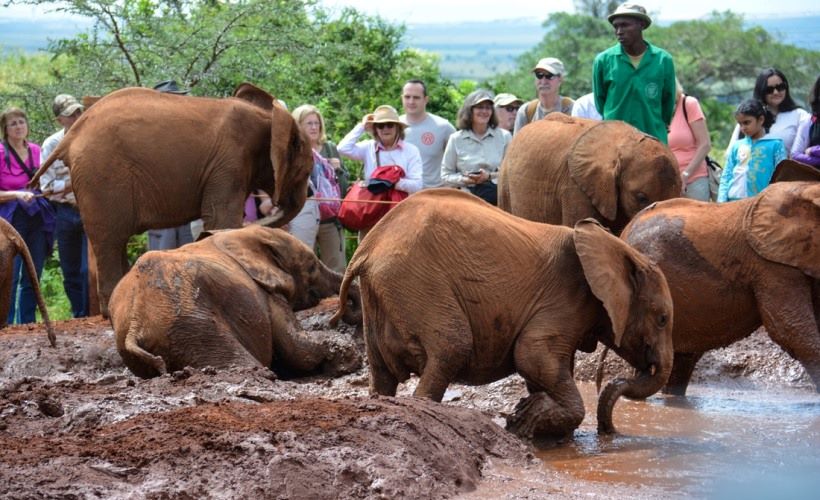
Did you know that the David Sheldrick Wildlife Trust Elephant Orphanage is the world’s first and most successful rescue centre for baby elephants?
Discover with Naicef the best guided tour to the David Sheldrick Wildlife Trust, set within the natural beauty of Nairobi National Park.
Here, you get to witness playful baby elephants during their daily feeding and mud bathing sessions, an experience that’s as heartwarming an also unforgettable.
The David Sheldrick Wildlife Trust is famous for rescuing orphaned elephants and giving them a second chance at life.
With clear David Sheldrick Visiting Hours and a fair David Sheldrick elephant Orphanage entry fee, your visit directly supports conservation efforts.
From the exact David Sheldrick Wildlife location to the unforgettable elephant encounters you are going to experience, this is a must-do activity for anyone visiting Nairobi.
So, which is the best tour company to visit the David Sheldrick Wildlife Trust elephant orphanage? The best Tour Company in Kenya to tour with is Naicef.
Reach out to us via our contact email at my@naicef.com or simply call: +254799922277. Also, you can;
Book The Tour Here
What Are the Interesting Facts About David Sheldrick Wildlife Trust Elephant Orphanage?
Here are some of the interesting facts about David Sheldrick Wildlife Trust Elephant Orphanage: The animals heal emotionally not just physically, keepers become surrogate parents, mud baths are both fun and functional.
It all began with one woman’s visit, feeders are also the caregivers, the elephants are usually fed at every three hours around the 24hr clock system.
Below is a detailed explanation of the interesting facts about the David Sheldrick Wildlife Trust Orphanage.
1. The animals heal emotionally, not just physically
Many arrive traumatised after losing their mothers due to poaching, drought, or conflict.
Healing here focuses on comfort, trust, and patience, not cages.
2. Keepers become surrogate parents
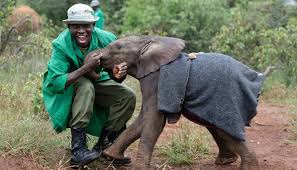
Caregivers form deep bonds with the orphaned animals and often sleep nearby so the young animals feel safe during their most vulnerable moments.
3. Elephants are the stars but not the only ones
While it is famous for elephant orphans, the trust also rescues rhinos and other vulnerable wildlife when emergencies arise.
4.Baby animals need round-the-clock care
Orphaned calves are fed special milk formulas and monitored day and night, proving conservation is a full-time commitment here.
5. Mud baths are both fun and functional
Those playful mud sessions help cool the animals’ bodies, protect sensitive skin, and keep insects away that’s the nature’s skincare routine.
6. You only get one hour to visit by design
Public viewing is limited to protect the animals and ensure they grow up wild, not dependent on humans.
7. This is a journey back to the wild
Once strong enough, animals are gradually released into protected areas like Tsavo National Park to live freely again.
8 .Every orphan has a name and a story
Animals are often named after where they were rescued, and their journeys are carefully documented and shared.
9.It all began with one woman’s vision
Founded by conservation legend Dr Daphne Sheldrick, the trust set global standards for wildlife rescue and rehabilitation.
10. Your visit truly makes a difference
The entry fees, adoptions done, and donations made help fund rescues, veterinary care, and wildlife protection across Kenya.
When a new keeper s hired, he is kept on a three-month trial period, if the elephants like him he stays if they don’t he is out!
What is the history of the David Sheldrick Wildlife Trust Elephant Orphanage?
The history of David Sheldrick Wildlife Trust Elephant Orphanage is as follows;
The David Sheldrick Wildlife Trust elephant orphanage was founded in 1977 by Dr Dame Daphne Sheldrick, in memory of her late husband, David Leslie William Sheldrick MBE.
David Sheldrick Wildlife Trust traces its roots to 1948, when David Sheldrick began his conservation career with the Royal National Parks of Kenya.
David Sheldrick later became the founding Warden of Tsavo East National Park.
He helped transform Tsavo into Kenya’s largest and most iconic national park.
For more than 25 years, Daphne lived and worked alongside David, rehabilitating orphaned wildlife at their home in Tsavo and at the Voi stockades, built in 1954.
Daphne Sheldrick became a globally recognised authority in wildlife rehabilitation.
Was the first person to perfect the milk formula needed to successfully raise orphaned elephant and rhino calves.
After David’s death, Daphne and her family relocated to Nairobi National Park, where the Elephant Orphans’ Project was established
This project later grew into the internationally respected David Sheldrick Wildlife Trust elephant orphanage.
It is known today for elephant and rhino rescue, rehabilitation, and reintegration into the wild.
Since 2018, the David Sheldrick Wildlife Trust has continued its conservation mission.
This is done under the leadership of Angela Sheldrick, preserving a strong family legacy in wildlife conservation.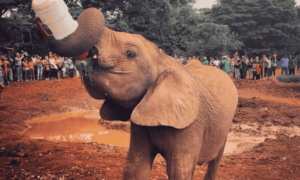
What does the David Sheldrick Wildlife trust do?
The David Sheldrick Wildlife Trust rescues orphaned elephants and rhinos across Kenya after losing their mothers due to poaching, drought, human wildlife conflict or natural disaster.
At the David Sheldrick Wildlife Trust elephant orphanage in Nairobi National Park, rescued calves receive 24-hour care, special milk formulas, medical treatment, and emotional support.
Once strong enough, the David Sheldrick Wildlife Trust gradually rehabilitates these animals.
After which they are reintegrated back into protected areas such as Tsavo National Park, Nairobi National Park so they can live freely in the wild.
The David Sheldrick Wildlife Trust supports anti-poaching efforts across Kenya by funding ranger patrols, vehicles, and aerial surveillance to protect wildlife.
The Trust also helps conserve important habitats through land protection and water projects in key conservation areas.
Through education, adoption programs, and visits in Nairobi National Park, the David Sheldrick Wildlife trust connects people worldwide to wildlife conservation in Kenya.
What are the David Sheldrick Visiting Hours?
The David Sheldrick visiting hours are every day from 11:00 am to 12:00 noon, excluding the 25th December. Booking is required.
The best time to visit the David Sheldrick Wildlife Trust Elephant Orphanage is during the Jan -February and July – October.
This is due to the comfortable weather conditions and the clear photography conditions for taking photos
You can watch the orphaned elephants enjoy their midday mud bath and milk feeding during this time, which always takes place every three hours.
This special visit takes place inside the David Sheldrick Wildlife Trust elephant orphanage and offers a rare chance to see the elephants up close during their daily routine.
Access during the day at the David Sheldrick Wildlife Trust elephant orphanage is by advance booking only, so visitors must reserve their spot before arrival.
What is the David Sheldrick elephant Orphanage entry fee?
The David Sheldrick elephant Orphanage entry fee is as follows:
Non-Residents
- Adult (12+ years): USD 20 per person
- Child (under 12 years): USD 5 per child
Residents
- Adult (12+ years): KES 2,000 (valid proof required) per person
- Child (under 12 years): KES 500 per child
Kenyan Citizens
- Adult (12+ years): KES 2,000 per person
- Child (under 12 years): KES 500 per child proof of citizenship or residency is required.
Children under 3 years
- Free entry
The fees support the rescue and rehabilitation of orphaned elephants and rhinos.
Advance booking is required so you can book with NAICEF.
Where Is the David Sheldrick Wildlife Trust Located?
The David Sheldrick Wildlife Trust is located inside Nairobi National Park, about 7 km from Nairobi’s city centre.
The David Sheldrick Wildlife Trust Elephant Orphanage is accessed via Magadi Road, near the Kenya Wildlife Service headquarters, making it easy to reach while still surrounded by wildlife.
It is approximately 10 km from Wilson Airport and 20 km from Jomo Kenyatta International Airport.
What activities can be done at the David Sheldrick Wildlife Trust elephant orphanage?
Some of that can be done at the David Sheldrick Wildlife Trust elephant orphanage, as follows,
Watching the baby elephants being fed, conservation, wildlife protection, taking photos or videos, learn about rhino conservation and shopping at the on-site gift shop.
One is able to watch orphaned baby elephants during the daily feeding sessions as the keepers bottle feed them and guide them into the viewing area.
The elephants are usually fed every three hours.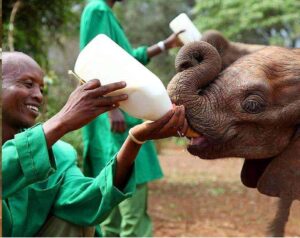 Learn about each elephant’s rescue story, rehabilitation journey and conservation challenges directly from the experienced keepers.
Observe the elephants playing and enjoying mud baths, which are important for their health and natural behaviour.
Take photos and videos during the visit while following the set guidelines of no flash.
See the residents’ orphaned rhino in a nearby enclosure and learn about rhino conservation efforts.
Adopt a foster elephant or rhino, helping to fund, rescue, care and the long-term conservation and protection programme.
Visit the on-site gift shop where you can get to purchase anything of your liking, and the funds go directly to the conservation trust work.
What are the rules and visitor guidelines at the David Sheldrick Wildlife Trust?
The rules and visitor guidelines at David Sheldrick Wildlife Trust elephant orphanage are set to ensure the safety of the orphaned elephants and other animals, and a smooth visit.
Guests at the David Sheldrick in Nairobi are required to book in advance, arrive on time, follow staff instructions, and observe strict behaviour and photography guidelines.
Below are the rules and visitor guidelines at the David Sheldrick;
- Advance booking is mandatory
The Trust limits daily visitor numbers to reduce stress on the elephants.
- Arrive early
This is done to allow enough time for Nairobi National Park entry, security checks, and check-in before the session begins.
- Visits are strictly timed
The public viewing session runs from 11:00 AM to 12:00 PM, and late arrivals may miss the experience.
- Booking confirmation must be presented
The entrance to gain access to the orphanage.
- Entry donations are paid on arrival
Visitors should note that Nairobi National Park entry fees are charged separately.
- Photography and videos are allowed for personal use
Flash photography and commercial filming are not permitted as they can disturb the animals.
- Visitors are expected to remain quiet and respectful
Keep mobile phones on silent to avoid sudden movements or loud conversations.
- Touching or feeding the elephants is not allowed
Only trained keepers handle the animals for safety and welfare reasons.
- All instructions from Trust staff must be followed
The instructions are designed to protect both visitors and the elephants.
- Prepare for an outdoor visit
Wear comfortable shoes, a hat, and drink water.
What attractions can be combined with a visit to the David Sheldrick Wildlife?
A visit to the David Sheldrick can be easily combined with nearby attractions such as;
The Nairobi National Park, the Giraffe Centre, Karen Blixen Museum and the Ngong Hills make it ideal for a half-day.
1. Nairobi National Park
The Nairobi National Park offers a unique safari experience where visitors can see Lions, Rhinos, giraffes, and zebras against Nairobi’s skyline.
This makes it easy to enjoy a game drive alongside the orphanage visit.
2. Giraffe Centre
The Giraffe Centre allows you to hand-feed endangered Rothschild giraffes from a raised platform while learning about giraffe conservation in a peaceful forest setting.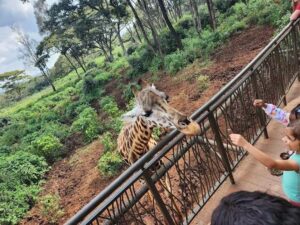
3. Karen Blixen Museum
Karen Blixen Museum features guided tours through the author’s former farmhouse, beautiful gardens, and insights into Kenya’s colonial history at the foot of the Ngong Hills.
4. Ngong Hills
The Ngong Hills are known for cool breezes, green rolling hills, and scenic views of the Great Rift Valley, ideal for short walks and photography.
Here are some of our visits to various destinations that may fascinate you:
- Ultimate Ngong Hills Package
- 1 Day Kibera Slum Tour Nairobi Package
- Full Day Ol Donyo Hiking & Fourteen Falls Thika
- 1 Day Forest Challenge Package
Check out also our amazing Full-day Nairobi tour itinerary below:
| Time | Activity |
| 6:00 AM- 9:00 AM | Arrive at the Nairobi National Park for a morning game drive. |
| 10:00 AM- 11:00 AM | Session at Giraffe Centre with the Giraffes. |
| 12:00 PM- 1:00 PM | Tour the David Sheldrick Elephant Nursery. |
| 2:00 PM- 4:00 PM | Enjoy the afternoon at Bomas of Kenya. |
| 5:30 PM | Conclude the day |
How Do Donations at the David Sheldrick Wildlife Trust Elephant Orphanage Help?
Donations at the David Sheldrick Wildlife Trust Elephant Orphanage directly fund the rescue, feeding, medical care, and daily rehabilitation of orphaned elephants.
This helps the animals recover and eventually return to the wild.
Further explanation on how the donation works;
Donations to the Orphanage support the rescue, care, and rehabilitation of orphaned elephants.
The contributions help cover milk formula, food, veterinary care, and daily support provided by experienced keepers.
Visitors can symbolically adopt an elephant through the Trust’s fostering programme.
An annual donation of US$50 includes a digital certificate, regular photo updates, and any elephant news that may arise.
Foster parents also receive access to special evening visits at the nursery.
Many visitors find that donating turns a short visit into a lasting connection to conservation.
Conclusion
The David Sheldrick Wildlife Trust Elephant Orphanage offers a rare chance to see rescued baby elephants while learning about hands-on conservation work in Nairobi National Park, Kenya.
With clear visiting hours, responsible visitor guidelines, and strong conservation values, it stands out as one of Nairobi’s most meaningful wildlife experiences.
From tiny trunks to powerful stories of survival, there’s no better place to connect with elephant conservation in Nairobi.
By supporting the orphanage through entry donations or elephant adoption programs, you directly contribute to elephant rescue, rehabilitation, and long-term protection in Kenya.
A visit to the David Sheldrick Wildlife Trust Elephant Orphanage not only creates lasting memories but also plays a small yet important role in protecting Africa’s elephants for future generations.
So, what are you waiting for? Plan your visit and experience the magic of conservation up close at the David Sheldrick Wildlife Trust Elephant Orphanage.
Reach out to Naicef via our contact email at my@naicef.com or simply call: +254799922277. Also, you can;
Book The Tour Here
Frequently Asked Questions About David Sheldrick Wildlife
1. What is the David Sheldrick Wildlife Trust elephant orphanage?
The David Sheldrick wildlife trust elephant orphanage is a conservation center that rescues, rehabilitates, and prepares orphaned elephants for eventual return to the wild.
2. Where is the David Sheldrick Wildlife location?
The David Sheldrick Wildlife location is inside Nairobi National Park, about 15 KMs from Nairobi city center.
3. What are the David Sheldrick Visiting hours?
The David Sheldrick Visiting hours are 11:00 AM to 12:00 PM daily, and all visits must be booked in advance for reservations.
4. What is the David Sheldrick elephant Orphanage entry fee?
The David Sheldrick elephant Orphanage entry fee is paid as a conservation donation on arrival.
5. Who manages the David Sheldrick Wildlife Trust?
The David Sheldrick Wildlife trust manages the orphanage and leads elephant rescue, rehabilitation, and wildlife conservation efforts across Kenya.
6. Can visitors adopt an elephant at the David Sheldrick Wildlife Trust elephant orphanage?
Yes, visitors can symbolically adopt an elephant through the fostering programme at the David Sheldrick wildlife trust elephant orphanage.
7. How much does elephant adoption cost at the David Sheldrick Wildlife Trust?
Elephant adoption at the David Sheldrick Wildlife Trust costs US$50 per year and includes updates, photos, and a digital adoption certificate.
8. How do donations help the David Sheldrick Wildlife Trust elephant orphanage?
Donations to the David Sheldrick Wildlife Trust elephant orphanage fund milk, food, veterinary care, keeper support, and long-term elephant rehabilitation.