Looking for a perfect experience and the best guide to Nairobi National Park?
Naicef is helping you with the best guide to Nairobi National Park, attractions, tips, prices, animal spots, best routes, and all the tips you deserve for your experience.
This ultimate guide also gives you extra tips for the Nairobi National Park animal orphanage, updated Nairobi National Park entrance fees, and the best safari time.
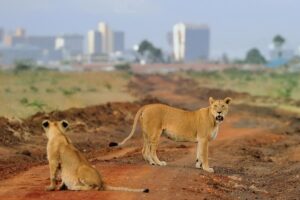
Did you know Nairobi National Park is the only park in Kenya where wildlife gets a fair share with the capital city landlords?
For a quick Nairobi National Park Safari package, contact Naicef Here, email my@naicef.com, or tap +254799922277. Naicef is the best tour company in Nairobi, Kenya, offering exclusive luxury experiences across East Africa.
As an expert safari guide company in Kenya, we were awarded for quality family and group experiences.
Therefore, if you are visiting or on a business trip in Nairobi, Nairobi National Park is the best place for a true African safari. We can curate your best Nairobi safari and Nairobi city tour experiences.
Feel free to book the Nairobi City Tour here
One of the interesting facts is that while you are on the rooftop of the tallest buildings in Nairobi, you can zoom in on animals in Nairobi National Park.
Similarly, if you are on key highways such as the Southern Bypass in Nairobi, you will see the animals in the park. Let’s explore the park and what it has in store.
Here is a Full Day Nairobi City Tour & Wildlife Safari in Nairobi & and a Half Day Nairobi City Tour for your experience.
Guide to Nairobi National Park Safari Structure
Nairobi National Park Interesting Facts
History of Nairobi National Park
Nairobi National Park Location
Nairobi National Park Entrance Fees
Attractions in Nairobi National Park
Activities & Things to Do in Nairobi National Park
Best time to visit Nairobi National Park
Accommodations in Nairobi National Park
Frequently Asked Questions about Nairobi National Park Safari guide
Nairobi National Park Interesting Facts
Nairobi National Park has great advantages and opportunities for you. So what are the best interesting facts to know about Nairobi National Park?
a) Global Advantage: Nairobi National Park is the only National Park in Kenya and the world in the city’s capital. This makes it the ideal park for an urban safari.
Moreover, Nairobi National Park is the best place to enjoy an African Safari for people taking business trips in Nairobi. A safari in this park is amazing and memorable for all.
b) Diverse Attractions: As a safari appetizer, the park has two features right at the entrance. These features include Nairobi Animal Orphanage and Nairobi Safari Walk.
The Nairobi Animal Orphanage and Nairobi Safari Walk hold special animals for anyone seeking to see caged animals. They also excite you before taking a safari in the only park in the capital.
The park is strategically located with other tourist attractions in Kenya to make the experience amazing while in Nairobi.
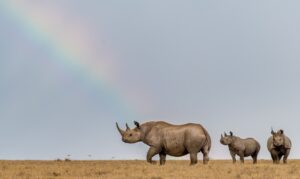
c) Sustainable Pillar: the park is a premium park that has overcome city development, poachers, and pollution to sustainably have Rhinos and the major big 5.
Want to see all this while in Nairobi? Reach Naicef professional guides to spot all the big 5 in this park.
History of Nairobi National Park
In the 19th century, wild animals freely roamed Nairobi city, which was ideal for the Nomadic Maasai people. In 1910, there was a population rise in Nairobi, which resulted in conflict between humans from the increasing population and the freely roaming wild animals
That was the era when Africa was a real deal. People would live on grazing and hunting. Quite interesting times.
The elite residents of the city were carrying guns for defense against the animals, while the real African settlers were riding on zebras and impalas.
However, conservationists such as Mervyn Cowie grew concerned when he saw farms and livestock taking the place of the game. Mervyn started a campaign for the establishment of a national park system in Kenya.
The Kenyan government agreed to the idea, and in 1946, Nairobi National Park was established as the first national park in Kenya.
Nairobi National Park became the first national park in Kenya in 1946 to protect wildlife in the city. Mervyn Cowie was the director until 1966.
Interestingly, the park has, over the years, proven to be a leader in conservation by setting a world stage for burning elephant tusks.
This was started in 1989 when the then Kenyan president, the late Daniel Arap Moi, burned 12 tons of Ivory in a conservation corner within the park.
This action improved Kenya’s conservation and wildlife protection image. Our trips include a stop and a hike on these hills of conservation.
Each president since then continues to build a heap of tusks and burn them as a clear message that Kenya values sustainable wildlife conservation rather than money from the wild products trade.
Conservation continues today under the establishment of the Kenya Wildlife Service. Kenya Wildlife Service’s main duty is to conserve and promote wildlife sustainability in Kenya National Parks.
Nairobi National Park Location
Nairobi National Park is 7 km from Nairobi’s center. The park is easily accessible from Nyayo National Stadium through Lang’ata Road to its main gate next to the Lang’ata barracks.
Nairobi National Park Entrance Fees
According to the Kenya Wildlife Service, below are the 2025 Nairobi National Park entrance fees;
Nairobi National Park Entrance Fees for East African Community Citizens
- Adults- KES 2,250
- Child- KES 650
Nairobi National Park Entrance Fees for Residents
- Adults- USD 65
- Child- USD 30
Nairobi National Park Entrance Fees for Non-Resident & International Visitors
- Adult- USD 125
- Child- USD 50
Here is a PDF Guide on Nairobi National Park entrance fees and all park fees in Kenya.
Attractions in Nairobi National Park
The Nairobi National Park is endowed with 1000s of attractions.
Attractions in Nairobi National Park include wild animals, led by some Big 5 and bird species. The park also has many plants, such as herbal species and forests.
Moreover, other main attractions of Nairobi National Park include mini lakes, rivers, nature, landscapes, and many more.
Below is a comprehensive list of Nairobi National Park attractions;
1. Wildlife
The Nairobi National Park hosts 100s of mammal species, including the big 5 such as the Lions, Leopards, Rhinos, and Buffalo.
The many other wild animals in Nairobi National Park include;
- Hippos
- Crocodiles
- Giraffes
- Zebra
- Blue Wildebeest
- Thomson’s gazelle
- Grant’s gazelle
- Hartebeest
- Waterbuck
- Olive baboon
- Common ostrich among others.
To ensure you enjoy the Nairobi National Park safari, our Naicef professional guide will guide you to spot your favorite animal during the game drive.
We not only ensure you see them close but also give you our professional wildlife photographer to capture the moments. Here are the best places to tour in Kenya.
2. Birds
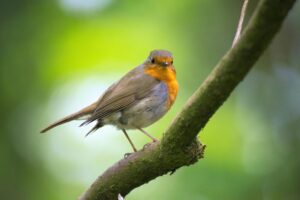
This National Park is a haven for 500 bird species.
Out of the 500 species, 20 are seasonal European migrants. The park probably hosts the longest bird list of all cities in the world making Nairobi National Park the best place for birdwatching in Nairobi, Kenya.
Birds in this park include;
- Lesser kestrel
- Abyssinian thrush
- Kori bustard
- Fischer’s lover birds
- Martial eagle
- Turacos
- Egyptian geese
- Common Bulbul
- Weaverbirds and many more.
When is the best time to do birdwatching in Nairobi?
November to April is the best time to do birdwatching in Nairobi because more birds migrate from Europe and North Africa.
March to May is also a good time since there are other migrants, including the Jackson’s widowbird. You love birds? Enjoy this Best Birdwatching Guide in Kenya.
3. Plant Species & Forests
Nairobi Park attracts high safari visitors due to its beautiful African Savanna grassland and towering forest canopies. Some of the common plant species in Nairobi National Park include;
- Savanna grass
- Flat top, umbrella, and yellow fever acacia trees
- Traveler and date palms
- Pines
- Lantanas
- Wattles and many more
Want the best forest tour? Here is the Kakamega Luxury Forest Tour.
4. Ivory Burning Site
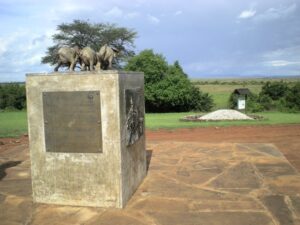
The ivory burning site inside Nairobi National Park is a tower of conservation efforts. It is a landmark monument symbolizing the spirit against the killing of wildlife for trade.
The ivory-burning site was started by the late President Moi. President Moi burnt ivory to warn poachers and their sponsors about the killing of wildlife and call the world to stop the ivory trade.
The ivory site has two other heaps of ashes from ivory and other burnt animal products from President Kibaki and President Uhuru.
It is also one of the attractions in Nairobi and a must-visit destination.
5. Walking Trails at Hippo Pools
Waking trails at Nairobi National Park Nairobi is the only trail that allows hiking without a ranger.
The trails are patrolled by the Kenya Wildlife Service rangers to offer security for the hikers. The trails start from a picnic area, following the Athi Riverbanks.
Walking trails at the hippo pools seek to rejuvenate the travelers and allow them to connect with nature from the picnic point.
Love walking safaris? Here is the best walking safari Guide in Kenya.
6. Kifaru Ark
Kifaru Ark inside the park is a successful rhino conservation sanctuary. Kifaru is a Swahili word for rhino, so it is ideal for rhino conservation.
The purpose of the Ark is to promote Rhino’s anti-poaching activities. At Kifaru Ark, is the only rhino sanctuary where visitors can see black rhinos in their natural habitats.
Naicef safaris ensure you have more Rhinos and takes you to Olpejeta Conservancy to physically touch our rhinos.
7. David Sheldrick Elephant Orphanage
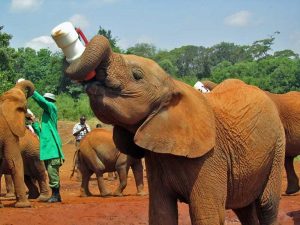
Inside the park, the David Sheldrick Elephant Orphanage is home to orphan baby Elephants who are adopted and rescued by rangers.
The David Sheldrick Elephant Orphanage is a must-visit destination for conservationists and elephant lovers.
To enjoy your visit and touch the elephants, visit during the feeding time
We help you book this feeding time so that you enjoy and see adorable baby Elephants enjoying their baby bottles!
Here is a good guide to David Sheldrick for you.
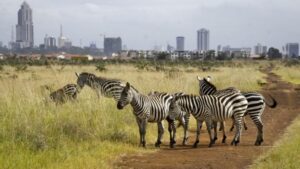
8. Zebra and Wildebeest Migration
While Masai Masai is well famous for the great wildebeest migration, Nairobi National Park Safari gives you a combination of both zebra and wildebeest migration.
However, the migration in Nairobi Park is not across the magical river but over the grassland in search of fodder.
The zebra and wildebeest migration inside Nairobi National Park takes place from July to October. This is the best time for you to tour Mara and Nairobi for maximum wildlife safari.
We have done this Masai Mara National Reserve ultimate guide to also help you in understanding migration in the Masai Mara.
9. Nairobi Animal Orphanage
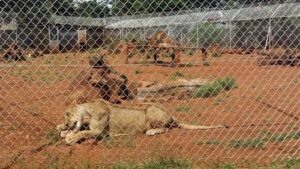
The Nairobi Animal Orphanage is one of the main attractions in the Nairobi National Park. Nairobi Animal Orphanage is inside the park and accessible right at the entrance of the national park.
Nairobi Animal Orphanage is a rehabilitation and treatment center for wild animals. So, what are the animals in the Nairobi Animal Orphanage?
The animals in the Nairobi Animal Orphanage include;
- Lions
- Cheetahs,
- Hyenas
- Jackals
- Servals
- Ostriches
- parrots
- Guinea fowls and many more.
To help you enjoy animals in the Nairobi Animal orphanage, a little information about each animal’s characteristics is written on the cage of each animal.
Therefore, it is good to note that the Nairobi Animal Orphanage acts as a warm-up for a thrilling Nairobi National Park safari experience in the park.
Activities & Things to Do in Nairobi National Park
a) Scenic Game Viewing
From the many lists of wild animals above, game driving is one of the best things to do in Nairobi National Park.
You will see lots of animals and natural attractions above. All you need is a professional guide to help you.
b) Bird Watching
Nairobi Park is home to 1000s of bird species. this is one of the best things to do to enjoy birding experiences in Nairobi.
c) Camping
Did you know camping in Nairobi Park is one of the best experiences in Nairobi?
This is because most people in Nairobi think of luxury hotels in the city and forget the natural sweetness of the city.
You can camp in designated special camping sites in the park and we will help you enjoy to the core.
d) Picnicking
Nairobi National Park in Nairobi offers the best picnic sites in the city. They are the best relaxation sites for safari enthusiasts and offer the best fresh air points in Nairobi.
e) Conservation
Since the park is in the city, most people volunteer to clean up around the park and sometimes inside the park with the aid of the park rangers.
There is also a great Friends of Nairobi National Park that promotes its conservation, and you can support them to enhance conservation efforts.
That’s why in every trip you take with Naicef, you directly contribute to conservation.
Best time to visit Nairobi National Park
When is the best time to visit Nairobi National Park?
The best time to visit and tour Nairobi National Park is in July- Oct for the zebra and wildebeest migration.
Moreover, the other best time is from March to July, which are the dry seasons.
April-June is the rainy season, when it is challenging to see the animals at the park.
Accommodations in Nairobi National Park
So what are the best places to stay in Nairobi National Park?
The best hotel and accommodations lodges in Nairobi park include the clubhouse and many more, as discussed below.
Nairobi Tented Camp is also the main official accommodation in the park, located to the west of the park. There are also nine permanent tents, which are luxurious for an exclusive camping safari in Nairobi National Park.
This gives you an exclusive chance to eat under the stars, giving you the perfect Urban bush experience.
The park is next to the lavish Karen suburbs, which have beautiful and luxurious accommodations. Other accommodations surrounding the park include;
- Giraffe Manor
- Hemingway’s Eden Residence
- Fairview Hotel
- Ole Sereni Hotel
- Nairobi Serena Hotel
- Villa Rosa Kempinski
- JW Marriott Hotel
- House of Waine
- Sarova Panafric
- Ibis Styles
- Best Western Plus Meridian
- Sarova Stanely
- The Concord hotel
- Nairobi Safari club
- Weston Hotel
- Radisson Blu Hotel
- Karen Blixen
- Palacina Residential Hotel
- Emakoko
Conclusion
Nairobi National Park Safari is the best African experience you can have while in Nairobi city. While in this beautiful park, you will see all the big 5 except the elephants, enjoy nature, rivers, forest, bird watching, and many more.
The best activities and things to do in Nairobi National Park Nairobi Safari are game drives, camping, birdwatching, conservation, picnicking, and many more.
The best time to tour the park is July to October because of the zebra and wildebeest migration in the park. The Nairobi Animal Orphanage is the best place to see caged animals in the park.
The Nairobi National Park Safari Park entrance fees are determined by your origin, as guided above.
Book with Naicef for the best hotel deals for Nairobi National Park.

Frequently Asked Questions About Nairobi National Park Safari Guide
1. Where is Nairobi National Park located?
The park is located 7km south of Nairobi.
2. What are the temperatures at Nairobi National Park?
The average temperature ranges from 22oC.
3. What time does Nairobi National Park open?
The opening hour of the park is like any other national park in Kenya. from 6:00 Am to 6:00Pm.
4. How to access Nairobi National Park?
By road, the park is accessed via Langata Road from Nairobi business center.
You can book it to fit into your full/ half day tour with Naicef. By air, tourists can use chartered flights to Wilson airport then transfer to the park.
This is in the case of visitors flying from Jomo Kenyatta International Airport.
For every Nairobi National Park tour you take with Naicef, you impact Sustainable tourism through the environment and the local community. Naicef focuses on raising responsible tourists.
For the best Nairobi National Park safari and package, contact me at my@naicef.com or +254799922277
Not ready now for the safari? Opt for our Naicef savings plan to visit Nairobi later on.