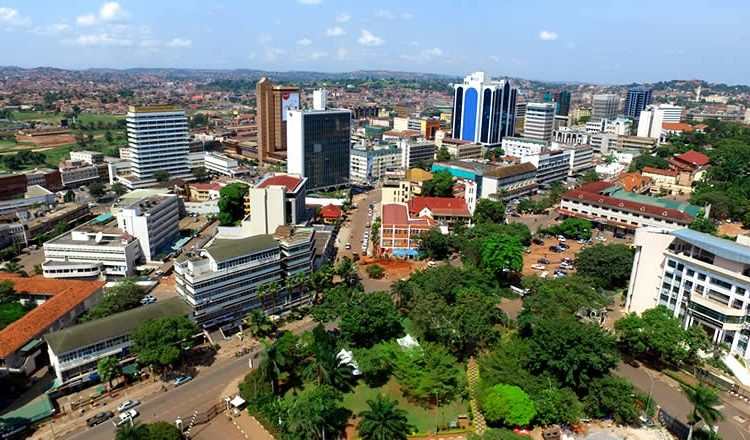
What is Kampala city of Uganda, and why is it featured in every top Kampala City Guide for travelers?
With Naicef ready to organize your perfect Kampala City Tour, exploring this energetic capital becomes seamless, exciting, and expertly planned from arrival to departure.
Known for its cultural landmarks, lively markets, vibrant nightlife, and meaningful Kampala city and slum tours, the city offers a complete urban African experience.
Add easy access to the best hotels in Kampala City, diverse cuisine, and rich heritage sites, and you have a destination that blends comfort, culture, and adventure in one journey.
Book your guided experience today and discover the real rhythm of Kampala with professional planning, insider access, and unforgettable city moments.
Call us +254799922277 or email my@naicef.com or fill the form
Background And History of Kampala City Of Uganda
Kampala, the vibrant capital of Uganda, began as a small settlement within the powerful Buganda Kingdom.
The area originally served as a hunting ground for the kingdom’s rulers, especially during the reign of Kabaka Mutesa I in the 19th century.
British colonial administrators later established a fort on one of the city’s hills in 1890, transforming the settlement into an administrative and commercial center.
After Uganda gained independence in 1962, Kampala rapidly expanded into the country’s political, economic, and cultural hub.
Today, it stands as a dynamic metropolis built across seven historic hills near Lake Victoria, blending royal heritage, colonial history, and modern urban energy into one of East Africa’s most influential cities.
however, Naicef has the best guide on several national parks found in Uganda, in the likes of Luxury Safari Guide To Queen Elizabeth National Park In Uganda-Naicef
What are the top Interesting facts about Kampala city and slums?
1. Hill City Layout
The city is famously built on seven original hills, a feature that shaped its early political, religious, and administrative centers and still influences urban planning today.
2. Slums Next to Wealthy Areas
Informal settlements such as Kisenyi, Katanga, and Bwaise exist side-by-side with modern malls, universities, and business districts, showing the city’s sharp economic contrasts.
3. Student City Influence
Areas around Makerere University are among the most vibrant zones, where student life, innovation, nightlife, and street food culture shape the city’s youthful energy.
4. Flood-Prone Settlements
Low-lying neighborhoods, especially informal ones, often experience seasonal flooding because they were built in wetlands and drainage channels, making climate resilience a major urban challenge.
5. Informal Economy Powerhouse
Many residents in settlements work in small-scale trade, recycling, transport, and food vending. These grassroots businesses form a crucial part of the urban economy monitored by Kampala Capital City Authority.
6. Home to East Africa’s Busiest Market
Close to some informal districts lies Owino Market, one of the region’s largest open markets, where thousands trade clothes, produce, electronics, and crafts daily.
7. Strong Community Networks
Despite economic hardship, many settlements are known for tight-knit communities, shared resources, and local initiatives that support education, sanitation, and youth empowerment.
What are the things to do in Kampala city and on slum tours?
The best things to do in Kampala include visiting museums, cultural centers, markets, religious landmarks, art galleries, and joining ethical community tours such as Kisenyi, Katanga, or Katwe slum experiences.
1. Explore Cultural & Historical Attractions
Uganda Museum Founded in 1908, showcases Uganda’s ethnology, archaeology, instruments, and heritage collections.
Independence Monument A 29-foot sculpture symbolizing Uganda’s independence in 1962 located in central Kampala.
Baháʼí Temple Kampala: The only Baháʼí temple in Africa, offering panoramic city views and peaceful gardens.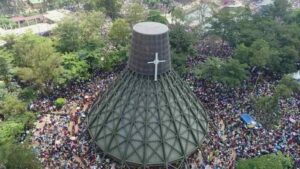
2. Visit Creative & Art Spaces
Nommo Gallery, established in 1964, hosts exhibitions, live demonstrations, and artist interactions.
Afriart Gallery is a contemporary art hub representing African artists and hosting international exhibitions.
3. Experience Markets & Local Life
Kalerwe Market is one of the largest markets selling produce from across Uganda, open daily from early morning.
Craft villages and street markets offer handmade souvenirs, fabrics, jewelry, and local foods.
4. Discover Educational & Landmark Sites
Makerere University, founded in 1922, is the oldest university in East Africa and is known for its architecture and academic history.
5. Enjoy Cultural Entertainment & Nightlife
- Kampala’s nightlife, dance performances, street food, and music venues showcase the city’s energetic urban culture.
Ethical Slum Tours in Kampala
Community-led slum tours are educational experiences that focus on culture, entrepreneurship, and daily life, not exploitation.
Popular Slum Tour Options
- Kisenyi Tour – A multicultural neighborhood where languages and traditions mix; often includes markets, mosques, and transport hubs.
- Katanga Tour – Located near Makerere University, visitors learn how residents innovate despite urban challenges.
- Katwe Tour – Known for small industries and inspiring local entrepreneurship stories.
Usually takes 3–5 hours, depending on the community visited.
Why Take a Slum Tour? Because you’ll get to Learn real urban stories beyond tourist highlights, support grassroots community initiatives, understand local innovation and resilience, and promote responsible tourism
Modern projects like the Kamwokya Community Centre, now a multipurpose hub with classrooms, sports facilities, and studios, show how community initiatives can transform neighborhoods.
@TopTouristPlaces
Attractions and things to see in Kampala City
The main attractions and things to see in Kampala include Kasubi Tombs, Uganda Museum, Gaddafi National Mosque, Baháʼí Temple, Kabaka’s Palace, Owino Market, Lake Victoria shoreline, Ndere Cultural Centre, and Makerere University.
1. Kasubi Tombs
A UNESCO World Heritage Site and a sacred burial ground of the Buganda kings. It’s one of the most culturally significant landmarks in Uganda, showcasing traditional architecture made entirely from natural materials.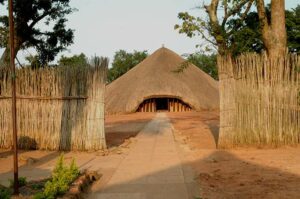
2. Uganda Museum
The country’s oldest museum, displaying ethnographic artifacts, musical instruments, fossils, and exhibits that explain Uganda’s cultural evolution.
Located in the heart of the Kampala City, this landmark is often highlighted in every Kampala City Guide because it provides visitors with a complete introduction to the nation’s heritage before they explore other attractions.
Many Kampala City Tour itineraries begin here since it offers essential historical context that enriches the rest of the travel experience.
3. Gaddafi National Mosque
One of the largest mosques in East Africa. Visitors can climb the minaret for panoramic views of the city skyline.
From the top, travelers can see the hills, neighborhoods, and major landmarks that define the Kampala City of Uganda, making it a favorite photography stop.
Tour operators frequently include this site in Kampala City Tour packages because it combines religious architecture, cultural learning, and sightseeing in one location.
4. Baháʼí Temple Kampala
The only Baháʼí temple on the African continent, surrounded by peaceful gardens ideal for reflection and photography.
This serene attraction is often recommended in a Kampala City Guide for visitors seeking calm environments away from busy streets.
Its hilltop setting also places it near some of the best hotels in Kampala City, making it easy for travelers to visit while staying in nearby upscale neighborhoods.
5. Kabaka’s Palace
Official residence of the Buganda king. Guided tours reveal royal history, political heritage, and underground chambers linked to Uganda’s past.
This palace is one of the most culturally significant stops on a Kampala City Tour because it connects visitors directly to the traditional kingdom that shaped the region’s identity.
Cultural travelers and history enthusiasts often rank it among the top must-visit heritage sites in the Kampala City of Uganda.
6. Owino Market
A bustling open-air market famous for affordable clothes, crafts, street food, and local life experiences. It’s one of the liveliest places to witness everyday Kampala culture.
Many travelers interested in authentic experiences include this stop when researching Kampala City and slum tours, as it showcases real urban life, trade culture, and local interactions.
Visiting the market offers insight into daily routines, bargaining traditions, and the entrepreneurial spirit of residents.
7. Lake Victoria Shoreline Views
Just outside the city center, visitors can enjoy boat rides, lakeside dining, birdwatching, and sunset photography along Africa’s largest lake.
These scenic shores are frequently recommended in every Kampala City Guide because they offer a relaxing contrast to the energetic city atmosphere.
Many luxury travelers staying in the best hotels in Kampala City plan evening trips here for romantic dinners, nature experiences, and peaceful views.
8. Ndere Cultural Centre
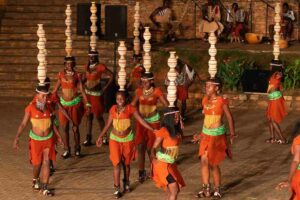
A cultural hub where travelers watch traditional dance performances, storytelling, and music representing Uganda’s diverse tribes.
This venue is widely considered one of the most enriching stops on a Kampala City Tour since it presents multiple Ugandan cultures in a single performance.
Visitors leave with a deeper appreciation of traditions, costumes, rhythms, and folklore that define the cultural identity of Kampala City of Uganda.
9. Makerere University Campus
One of Africa’s oldest universities, known for its historic architecture, academic legacy, and vibrant student atmosphere.
What is the Food and Culture in Kampala City of Uganda?
Food and culture in Kampala are defined by traditional dishes like Rolex and matoke, vibrant street food scenes, music and dance performances, welcoming hospitality, and strong cultural traditions that showcase Uganda’s diversity.
1. Local Food Culture
Staple Dishes You Should Try
- Rolex – A famous street snack made of eggs and vegetables rolled in chapati; quick, affordable, and loved by locals.
- Matoke – Steamed green bananas served with groundnut sauce, beef stew, or beans; a national favorite.
- Luwombo – A traditional dish cooked in banana leaves with chicken, beef, or peanuts, often prepared for special occasions.
- Posho and Beans – A simple but filling daily meal widely eaten across the city.
2. Street Food Experience
Street vendors are central to Kampala’s food culture. Markets and roadside stalls serve grilled meats, roasted maize, samosas, and fresh tropical fruits.
Places like Owino Market offer authentic tastes while immersing visitors in lively local life.
3. Cultural Life and Traditions
- Music & Dance
Traditional performances showcase Uganda’s ethnic diversity through drumming, storytelling, and dance.
At Ndere Cultural Centre, visitors can watch cultural shows representing different Ugandan tribes in one performance.
- Language & Hospitality
English and Luganda are widely spoken, and visitors often notice the warmth and friendliness of locals. Greetings, respect for elders, and community sharing are central cultural values.
- Fashion & Identity
Traditional clothing such as the gomesi (for women) and kanzu (for men) is still worn during ceremonies, weddings, and cultural celebrations.
Why Food and Culture Matter to Visitors? Because Food tells stories of history, trade, and identity, while cultural experiences reveal Uganda’s social values, creativity, and resilience.
What are the Best hotels to stay in Kampala?
The best hotels in Kampala range from luxury options like Kampala Serena Hotel and Speke Resort to mid-range stays such as Protea Skyz and Golden Tulip.
Also budget choices like ONOMO Hotel and Acacia Villa, ensuring accommodation for every traveler type and budget.
1. Kampala Serena Hotel
Ideal for luxury travelers and business executives seeking a 5-star stay with spa, fine dining, gardens, and conference facilities in the city center.
Its blend of African elegance and international standards makes it a top choice for high-end visitors.
2. Sheraton Kampala Hotel
Best for visitors who want an international-standard hotel close to major attractions, nightlife, and business districts.
Its large gardens and central location make it convenient for both meetings and sightseeing.
3. Speke Resort Munyonyo
Perfect for leisure travelers and families looking for a lakeside resort experience with sports facilities, marina access, and scenic relaxation.
Guests enjoy peaceful lake views while still being within reach of the city.
4. Four Points by Sheraton Kampala
A top choice for business trips, offering modern rooms, professional services, and convenient city access.
Its sleek design and executive amenities suit corporate travelers needing efficiency and comfort.
5. Protea Hotel Kampala Skyz
Best for travelers who want stylish accommodation with panoramic city views and rooftop dining. The elevated location provides one of the best skyline perspectives in Kampala.
6. Mestil Hotel & Residences
Ideal for long stays, corporate guests, and luxury seekers needing apartment-style comfort with hotel services. Its spacious suites and wellness facilities make it feel like a private residence.
7. Golden Tulip Canaan Kampala
Great for business and conference travelers who want comfort, central location, and reliable amenities. It’s especially popular for events thanks to its professional meeting spaces.
8. Kabira Country Club
Best suited for families and active travelers looking for sports facilities, pools, and a resort-style environment. Its recreational options make it ideal for extended stays or wellness retreats.
9. ONOMO Hotel Kampala
Perfect budget-friendly option for travelers who want modern comfort without high costs. It appeals to younger travelers and short-stay visitors seeking style on a budget.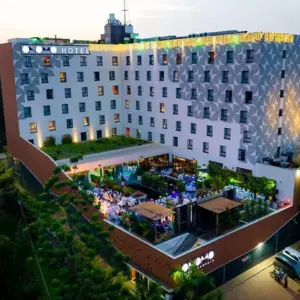
10. Humura Hotel
A quiet boutique hotel ideal for couples or business guests seeking privacy and personalized service. Its calm atmosphere provides a peaceful escape from the city’s busy pace.
11. Calm Suites Kampala
Best for visitors prioritizing peaceful stays, high guest ratings, and affordable luxury. Travelers often choose it for its excellent service and tranquil setting.
12. Acacia Villa Kampala
A practical choice for budget travelers who want simple accommodation near key city areas. Its location makes it easy to access restaurants and shops.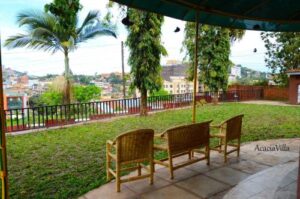
How much can a Kampala city and slum tour cost?
A Kampala city tour typically costs $25 to $150 per day, depending on your travel style, while entrance fees for major attractions range from about $3 to $10 each, making Kampala one of the most affordable capital-city destinations to explore in East Africa.
However, discover the cost of national parks found in uganda like the Bwindi Impenetrable National Park safari.
A 3-day sample itinerary to Kampala City in Uganda
What can a 3-day Kampala city tour cover? A 3-day itinerary covers Kampala’s museums, heritage sites, markets, community experiences, nightlife, and lakeside relaxation in one structured plan, giving travelers a complete and well-balanced city tour.
| Day | Time | Activity | Description |
| Day 1 | 8:00–9:00 | Breakfast & Orientation | Meet your guide, review the city plan, and get briefed about culture, safety, and highlights. |
| 9:30–11:00 | Visit Uganda Museum | Discover Uganda’s cultural heritage through artifacts, traditional instruments, and historical exhibits. | |
| 11:30–1:00 | Campus Walk | Explore Makerere University, one of Africa’s oldest universities known for its academic legacy and architecture. | |
| 1:00–2:00 | Lunch | Enjoy local dishes like matoke, grilled meats, or groundnut stew at a city restaurant. | |
| 2:30–4:30 | Market Experience | Visit Owino Market to experience vibrant street trade, crafts, fabrics, and local food culture. | |
| 6:30–8:30 | Cultural Evening | Dinner and traditional performances at Ndere Cultural Centre featuring music and dance from Ugandan tribes. | |
| Day 2 | 8:00–9:00 | Breakfast | Relaxed hotel breakfast before sightseeing. |
| 9:30–11:00 | Heritage Tour | Explore the royal burial site at Kasubi Tombs, a major cultural landmark. | |
| 11:30–1:00 | Mosque Visit | Tour Gaddafi National Mosque and climb the minaret for panoramic city views. | |
| 1:00–2:00 | Lunch | Taste local street snacks such as Rolex or samosas. | |
| 2:30–5:30 | Community Tour | Guided educational neighborhood walk to learn about daily life, innovation, and local enterprises. | |
| 7:00–9:00 | Nightlife | Experience Kampala’s music lounges, rooftop bars, or live band venues. | |
| Day 3 | 8:00–9:00 | Breakfast | Enjoy a relaxed morning meal. |
| 9:30–12:30 | Lakeside Excursion | Visit Lake Victoria for scenic views, boat rides, and photography. | |
| 1:00–2:00 | Lunch | Lakeside dining with fresh fish specialties. | |
| 2:30–4:30 | Shopping | Buy souvenirs, crafts, fabrics, and jewelry from artisan shops. | |
| 5:00–6:00 | Departure Prep | Return to hotel or transfer to airport for departure. |
Are you excited to see the beauty of Kampala city? Book a tour with Naicef to Kampala city and slum tour bu +254799922277 or email my@naicef.com or fill the form below
Conclusion
This Kampala City Guide shows that Kampala city of Uganda, is more than just a capital. It’s a vibrant destination filled with culture, history, food, nightlife, and meaningful community experiences.
From exploring heritage landmarks and markets to enjoying authentic cuisine and joining insightful Kampala city and slum tours, travelers get a deep understanding of local life.
Add comfortable stays in the best hotels in Kampala City and well-planned excursions, and you have a destination that delivers both adventure and comfort.
Ready to experience it for yourself?
Book your Kampala City Tour today with a trusted tour provider and enjoy a professionally organized itinerary, expert guides, seamless transport, and unforgettable cultural moments. Your Kampala journey starts now.
Call us +254799922277 or email my@naicef.com or fill the form
Top 5 FAQ about Kampala City of Uganda
1. Is Kampala worth visiting?
Yes. It’s one of East Africa’s most vibrant capitals, known for culture, nightlife, food, and friendly locals.
2. What is Kampala famous for?
It’s known for its seven hills, rich Buganda heritage, lively nightlife, street food, and cultural attractions.
3. How many days are enough in Kampala?
2–3 days is ideal to explore major attractions, markets, food spots, and nightlife.
4. Is Kampala safe for tourists?
Yes, generally safe, especially in central and tourist areas. Like any city, stay aware of surroundings and use trusted transport.
5. What is the best time to visit Kampala?
The best time is during dry seasons: December–February and June–August.