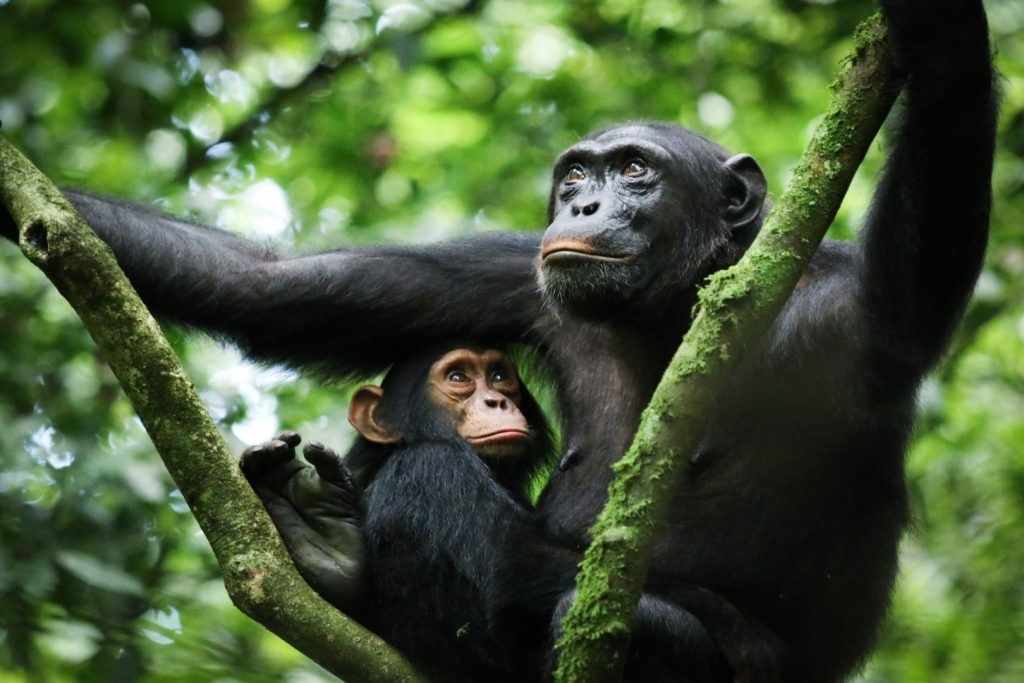
Are you ready to step into Uganda’s Kibale Forest National Park, a Wonderland, Where Chimpanzees Roam Free?
Kibale Forest National Park is one of Uganda’s most famous wildlife destinations, renowned for its dense rainforest and thriving chimpanzee populations.
Naicef organizes the best Kibale Forest National Park safaris, handling permits, guides, and accommodations to make your visit smooth and memorable.
Experience chimpanzees in Uganda, track other primates chimpanzee species on guided treks, and explore the rich Kibale National Forest ecosystem while enjoying forest walks, birdwatching, and cultural experiences.
You can reach out at +254799922277 or email my@naicef.com or book today by filling out the form below
What Are The Most Interesting Facts About Kibale Forest National Park?
The most interesting facts about this Kibale Forest are that it has a high concentration of chimpanzee, protects primates’ habitats, is home to other wildlife, and balances climate and community.
1. Kibale has the highest concentration of chimpanzees in Uganda
Kibale Forest National Park is widely known as the best place to see chimpanzees in Uganda, with over 1,500 individuals living in the forest.
This high population makes chimp trekking in Kibale Forest one of the most successful primate experiences in Africa.
Thinking of meeting chimpanzees up close? Naicef helps you secure permits and expert guides for the best possible encounter.
2. It protects one of Africa’s richest primate habitats
The park is home to 13 different primate species, including chimpanzees, red colobus monkeys, L’Hoest’s monkeys, and grey-cheeked mangabeys.
This diversity makes the Kibale National Forest ecosystem one of the most important primate conservation areas on the continent.
Few places allow travelers to observe so many primate species in one forest.
3. Chimp trekking success rates are over 90%
Thanks to well-habituated groups, visitors doing chimp trekking in Kibale Forest have one of the highest chances in Africa of seeing wild chimpanzees.
Treks are guided by trained rangers who track chimp movements daily.This reliability is why many travelers choose Kibale over other chimpanzee destinations.
4. Kibale is more than just chimpanzees
While famous for chimpanzees in Uganda, the park also supports forest elephants, bush pigs, duikers, and over 370 bird species.
The layered rainforest landscape shows how balanced and healthy the Kibale National Forest ecosystem truly is.
It’s a destination where every walk feels alive, even without a major sighting.
5. The forest plays a major role in climate and community balance
Kibale Forest National Park acts as a natural water catchment and climate regulator for surrounding communities.
Conservation efforts here protect both wildlife and local livelihoods, creating a strong link between tourism, nature, and people.
When you travel with Naicef, part of your safari directly supports this balance through responsible tourism.
What Is The History and Background of Kibale Forest National Park?
Kibale Forest National Park was officially gazetted in 1993, but its conservation story began long before that.
Initially, the area was protected as a forest reserve to safeguard water sources, timber resources, and wildlife habitats in western Uganda. Over time, researchers discovered that the forest was exceptionally rich in primates, especially chimpanzees, which led to its upgrade to national park status.
The park was created mainly to protect chimpanzees in Uganda and other forest-dependent species whose habitats were shrinking due to agriculture and human settlement.
How did Kibale get its name?
“Kibale” refers to the forested region itself, historically known for dense canopy and abundant wildlife. Over time, it gained prominence as researchers and naturalists highlighted its extraordinary biodiversity.
Today, Kibale Forest National Park plays a key role in conserving chimpanzee populations and maintaining one of East Africa’s most intact tropical rainforests.
Kibale is also a major center for scientific research. For decades, researchers from around the world have studied chimp behavior, forest ecology, and conservation here.
This research has helped improve how chimp trekking in Kibale Forest is managed, ensuring safe encounters for both visitors and wildlife.
At the heart of this success is the Kibale National Forest ecosystem, which supports wildlife, regulates rainfall, and provides livelihoods for nearby communities.
Tourism, when done responsibly, has helped fund conservation and community projects, something Naicef actively supports by working with local guides and conservation partners.
Why does this matter to travelers?
Visiting Kibale Forest National Park today means stepping into a well-protected, research-backed destination where wildlife conservation and tourism work hand in hand.
Why Visit Kibale Forest National Park?
Many travelers ask, “Why should I choose Kibale Forest National Park?” because it offers the most reliable and immersive primate experience in Uganda, especially for those interested in chimpanzees and rainforest safaris.
1. It’s the best place to see chimpanzees in Uganda
Kibale Forest National Park is the top destination for chimpanzees in Uganda, with well-habituated groups that can be tracked daily.
This makes chimp trekking in Kibale Forest ideal for first-time visitors and wildlife lovers who want close, ethical encounters.
With Naicef, your trek is planned around peak tracking times, experienced guides, and smooth permit handling.
2. You experience primates in their natural forest home
The park protects a dense tropical rainforest where the chimpanzee species lives freely.
Unlike open savannah parks, Kibale offers quiet forest walks where you hear calls, see movement in the trees, and feel fully surrounded by nature.
This creates a deeper connection with wildlife, not just a quick sighting.
3. The forest ecosystem is rich and untouched
The Kibale National Forest ecosystem supports wildlife, birds, insects, and plant life in perfect balance.
Walking through the forest shows how healthy rainforests function and why they are vital to climate and conservation.
Every visit helps support this ecosystem through conservation fees and responsible tourism.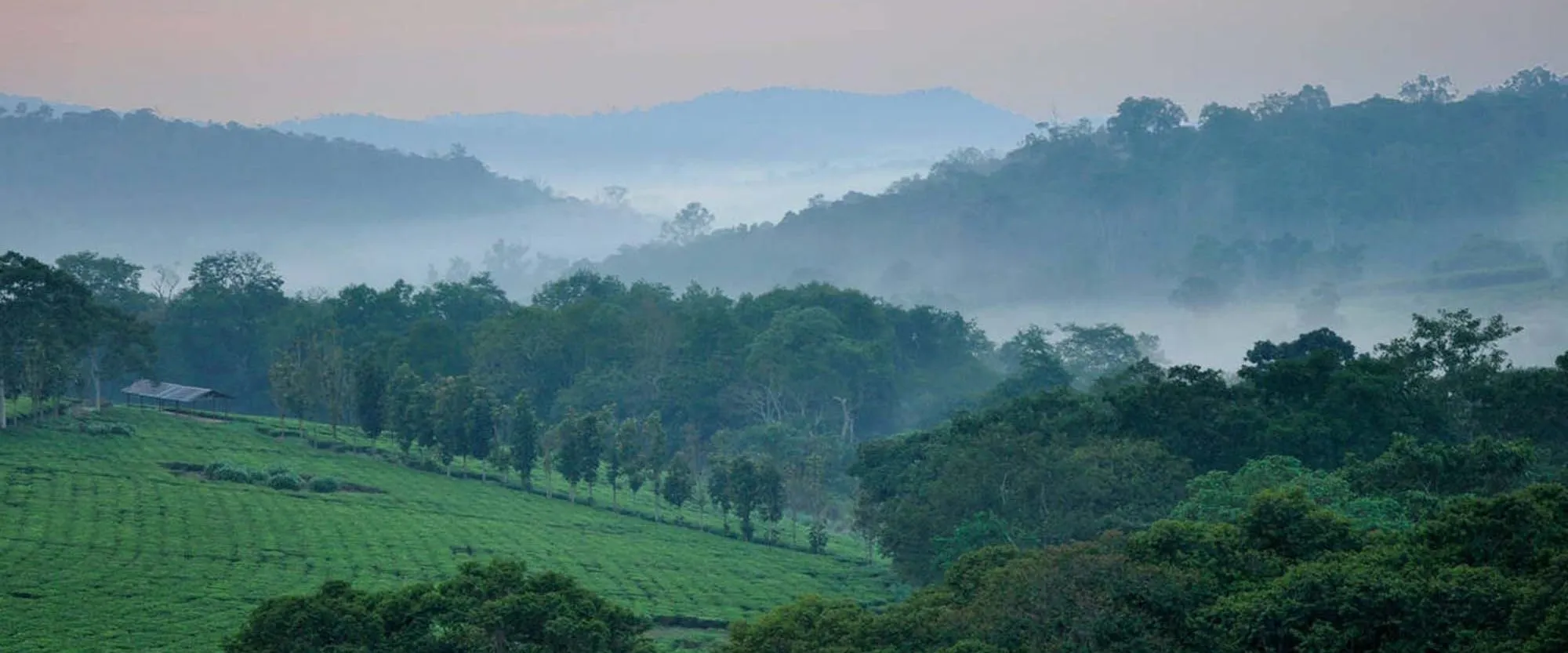
4. It fits perfectly into Uganda safari routes
Kibale Forest National Park is located near other major attractions like Queen Elizabeth National Park, making it easy to combine chimp trekking with game drives and boat safaris.
This makes your trip more diverse without long travel times. Naicef helps design seamless safari routes that save time and maximize experiences.
5. It’s ideal for travelers who want meaningful travel
If you’re searching for a safari that goes beyond game drives, Kibale offers learning, conservation, and community interaction.
Visiting supports research, local guides, and sustainable tourism efforts.
Ready to explore Kibale the right way?
Naicef creates personalized Kibale Forest National Park safaris that match your travel style, budget, and timing.
Book now by calling +254799922277 or emailing my@naicef.com.
What Are The Must-See Attractions In Kibale Forest National Park?
The must-see attractions in Kibale National Park are chimpanzees, birdlife, Bigodi Wetland Sanctuary, cultural communities, and forest trails.
1. Chimpanzees in Uganda
The main attraction is the wild chimpanzees, which are habituated for ethical observation. Chimp trekking in Kibale Forest gives visitors a rare chance to see these primates up close in their natural habitat.
Watching their behavior, grooming, playing, or calling is an unforgettable experience.
Naicef ensures your trek is seamless, with trained guides and permits ready for you, so you focus on the experience.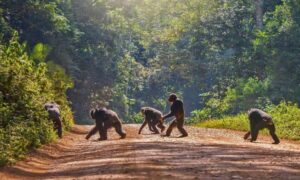
2. Other Primates and Birdlife
Kibale hosts 13 primate species, including red colobus monkeys, mangabeys, and L’Hoest’s monkeys. Bird watchers can spot over 370 species, making the forest a paradise for nature enthusiasts.
Exploring the Kibale National Forest ecosystem reveals the rich biodiversity of Uganda’s tropical rainforests.
3. Bigodi Wetland Sanctuary
Adjacent to the forest, Bigodi Wetlands offers guided walks to see wildlife, birds, and traditional wetland life.
It’s a great spot to combine chimp trekking in Kibale Forest with other nature experiences.
4. Community Cultural Experiences
Local communities offer cultural tours where you can learn traditional practices and forest-based livelihoods.
Naicef organizes these visits responsibly, ensuring tourism benefits the people while giving travelers authentic insight.
5. Forest Trails and Nature Walks
Walking through the trails allows you to experience the rainforest ambiance: giant trees, hanging vines, and the calls of primates echoing through the canopy.
It’s an immersive way to explore the Kibale National Forest ecosystem beyond just chimpanzee encounters.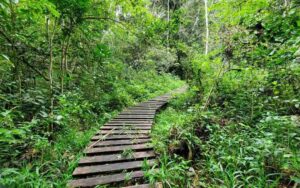
What Are The Things To Do In Kibale Forest National Park?
Things to do in Kibale forest are chimp trekking, birdwatching, bigodi santuary walks, forest hikes, and community cultural tour. Below are more detailed things to do;
1. Chimp Trekking in Kibale Forest
The park is famous for chimpanzees in Uganda, and trekking to see them is the highlight for most visitors.
Guided by expert rangers, you’ll follow habituated chimp groups through lush trails, observing their social behavior and interactions.
Naicef handles permits and guides so your trek is smooth, stress-free, and optimized for wildlife sightings.
2. Primate and Bird Watching
Beyond chimpanzees, the forest hosts primates chimpanzee species like red colobus monkeys, mangabeys, and vervets. Bird lovers can spot over 370 species, including rare and endemic birds.
A guided walk lets you experience the full richness of the Kibale National Forest ecosystem.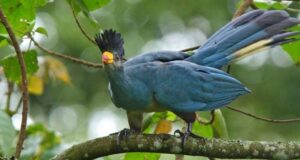
3. Bigodi Wetland Sanctuary Walks
Located near the park, Bigodi Wetlands offer easy walks for spotting wildlife, birds, and local flora.
This is a great way to extend your safari and enjoy Uganda’s diverse ecosystems while supporting community conservation initiatives.
4. Community and Cultural Tours
Visitors can engage with local communities to learn about forest traditions, crafts, and sustainable living.
Naicef arranges these experiences responsibly, helping travelers support local livelihoods while gaining a deeper understanding of life near Kibale.
5. Forest Trail Hikes
For those who love immersive nature, the park’s network of trails lets you explore the rainforest’s hidden corners.
Expect lush greenery, trickling streams, and the calls of wildlife echoing through the canopy, perfect for photography and peaceful forest walks.
Ready to plan your adventure? Let Naicef design your Kibale Forest National Park safari, combining chimp trekking, forest walks, birding, and cultural experiences into a seamless journey.
Book today by filling out the form
When Is The Best Time To Visit Kibale Forest National Park?
The ideal time to visit Kibale is during the dry seasons, from June to September and December to February.
Trails are easier to navigate, chimpanzee sightings are more predictable, and the forest is accessible for longer hikes and nature walks.
The wetter months, March to May, and October to November, bring heavier rainfall, which makes trekking more challenging but transforms the forest into a lush, vibrant ecosystem.
Wildlife is still active, and fewer tourists visit, giving a quieter, more private experience.
Naicef helps you plan your visit around the best tracking times and seasons, ensuring smooth logistics, early starts, and optimal wildlife encounters.
Where To Stay At Kibale Forest National Park?
Here are the top places to stay for travelers
1. Primate Lodge Kibale
Where is it located? It is located on a scenic hilltop near the park. This lodge offers stunning forest views, elegant cottages, and personalized service.
Ideal for travelers who want comfort while staying close to chimp trekking in Kibale Forest trails.
2. Ndali Lodge
A boutique eco-lodge that blends into the surrounding landscape. Its spacious rooms and panoramic views make it perfect for relaxation after exploring the Kibale National Forest ecosystem.
3. Kibale Guest Cottages
Comfortable, budget-friendly cottages with easy access to the park gates. Great for groups or solo travelers seeking a practical base for chimpanzees in Uganda.
4. Primate Lodge Bigodi
Near the Bigodi Wetlands, this lodge combines accessibility with charming accommodations. Visitors can easily combine forest walks, primates chimpanzee spotting, and community tours in one stay.
5. Kibale Forest Community Camp
Simple cabins run by local communities, giving an authentic experience while supporting conservation efforts.
This is perfect for travelers who want to be close to nature and contribute to sustainable tourism.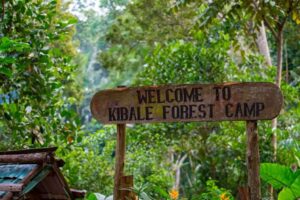
How Much Is The Cost Of Visiting Kibale Forest National Park?
The cost of a Kibale Forest National Park safari ranges from USD 500 to 1,200 per person, depending on activities, accommodation, and transportation. Here’s a detailed breakdown:
1. How much is the Chimp Trekking in Kibale Forest?
Permits cost around USD 150–200 per person, supporting conservation and park management.
2. How much is a Guided Nature Walk & Bigodi Wetland Tours?
Typically USD 25–50 per person, including a local guide.
- What is the cost of Accommodation?
Luxury lodges near Kibale Forest National Park cost between USD 250 and 400 per night. These lodges offer spacious cottages, private verandas with forest views, ensuite bathrooms, and high-end comfort close to chimp trekking starting points.
Guests also enjoy personalized service, quality dining, and a peaceful rainforest setting, making luxury stays ideal for travelers who want comfort, privacy, and quick access to forest activities.
4.How much are the Cultural Experiences?
Cultural experiences near Kibale Forest National Park cost between USD 20 and 40 per person, depending on the activity and duration.
These visits include guided community walks, cultural storytelling, traditional practices, and interactions with local residents, offering travelers meaningful insight into life around the forest while supporting local livelihoods.
Which Are The Most Personalized Packages To Kibale Forest National Park?
The most personalized packages to Kibale National Park are:
- 2-Day Kibale Forest National Park Safari package
| Time | Activity | Description |
| Day 1 – Morning | Arrival & Lodge Check-in | Arrive at your chosen lodge near Kibale Forest and settle in. Enjoy forest views and refresh. |
| Day 1 – Afternoon | Bigodi Wetlands Walk | Guided walk to explore wetlands, birdlife, and local flora, extending your Kibale National Forest ecosystem experience. |
| Day 1 – Evening | Cultural Experience | Visit nearby communities to learn about local traditions and sustainable practices. |
| Day 2 – Early Morning | Chimp Trekking | Track habituated chimpanzee groups with expert guides for an unforgettable wildlife encounter. |
| Day 2 – Afternoon | Forest Nature Walk | Explore forest trails and spot other primates and birds, experiencing the park’s full biodiversity. |
| Day 2 – Evening | Departure | Return to lodge, pack up, and depart for onward travel or next safari destination. |
- 3-Day Kibale Forest National Park Safari package
| Time | Activity | Description |
| Day 1 – Morning | Arrival & Lodge Check-in | Check into your lodge with scenic forest views and meet your guide for the safari overview. |
| Day 1 – Afternoon | Bigodi Wetland Sanctuary | Walk through wetlands and enjoy birdwatching and local community interactions. |
| Day 2 – Early Morning | Chimp Trekking in Kibale | Spend several hours following chimpanzees in their natural habitat. |
| Day 2 – Afternoon | Forest Hike | Explore trails to see primates, forest flora, and enjoy photography opportunities. |
| Day 2 – Evening | Community Visit | Engage with local groups and experience traditional culture and crafts. |
| Day 3 – Morning | Optional Nature Activities | Early morning birding or a short forest walk before departure. |
| Day 3 – Midday | Departure | Check out and continue to your next Uganda safari destination. |
Plan your Kibale safari with Naicef today. We handle permits, guides, accommodations, and itineraries so you can focus on wildlife and adventure.
Contact +25499922277 or email my@naicef.com, or you can fill the form below
Conclusion
Visiting Kibale Forest National Park is a must for anyone seeking an unforgettable primate experience in Uganda.
From tracking wild chimpanzees in Uganda and observing other fascinating primates to exploring the rich Kibale National Forest ecosystem, every moment in this rainforest presents an opportunity to connect with nature.
With chimp trekking in Kibale Forest, guided forest walks, birdwatching, and cultural experiences, the park offers more than wildlife.
It delivers education, adventure, and immersion in a thriving ecosystem.
Staying at lodges close to the forest or near Bigodi Wetlands ensures comfort while keeping you close to the action.
Planning your visit with Naicef guarantees smooth permits, expert guides, and a safari experience tailored to your interests, timing, and style.
Whether it’s a short two-day excursion or a three-day adventure, Kibale Forest National Park promises memories, wildlife encounters, and stories that last a lifetime.
However, what are othe naicef’s packages and guides you can use to book an adventure?
naicef’s packages and guides are;
- 5 Days Zanzibar Itinerary Tour Package ~ Naicef
- 8-Day Hiking Mount Kilimanjaro Package
- Most Unique Mgahinga Gorilla National Park Guide -Naicef
- Luxury Safari Guide To Queen Elizabeth National Park In Uganda-Naicef
- Legendary Bwindi Impenetrable National Park Guide 2026-Naicef
- 5 Days Masai Mara Amboseli Safari Luxury Tour
- 5 Days Masai Mara Amboseli Safari Luxury Tour
Ready to experience Uganda’s premier chimpanzee safari? Let Naicef handle all the planning while you focus on the adventure.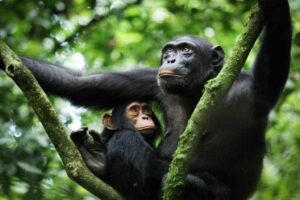 Book any adventure through +25499922277, email my@naicef.com, or fill the form below
Top 5 FAQs About Kibale Forest National Park
1.What is the main attraction of Kibale Forest National Park?
The park is famous for its chimpanzees in Uganda. Visitors can enjoy guided chimp trekking in Kibale Forest and observe other primates and birds in their natural habitat.
2. How long does chimp trekking take?
A typical trek lasts 2–5 hours, depending on the location of the chimpanzee group and your walking pace. Naicef ensures permits and guides are arranged for a smooth experience.
3.When is the best time to visit Kibale Forest National Park?
The dry seasons, June to September and December to February, are ideal for trekking and forest walks, though the wet season offers lush scenery and fewer tourists.
4.Where can I stay near Kibale?
Options range from luxury lodges like Primate Lodge Kibale, mid-range cottages, to budget community stays, all close to trekking trails and forest attractions.
5. Are there other activities besides chimp trekking?
Yes! You can enjoy forest walks, birdwatching, Bigodi Wetland visits, and cultural tours with local communities, all designed to give a full Kibale National Forest ecosystem experience.